Swill designer cocktails in Mexico City

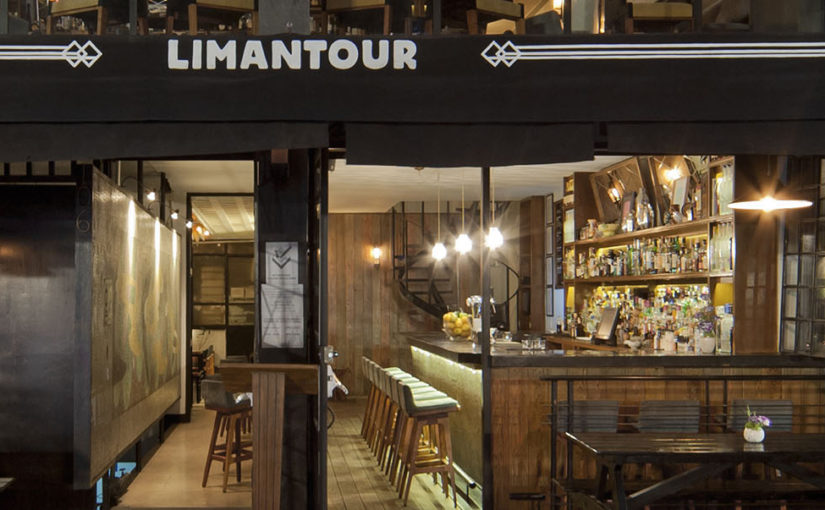
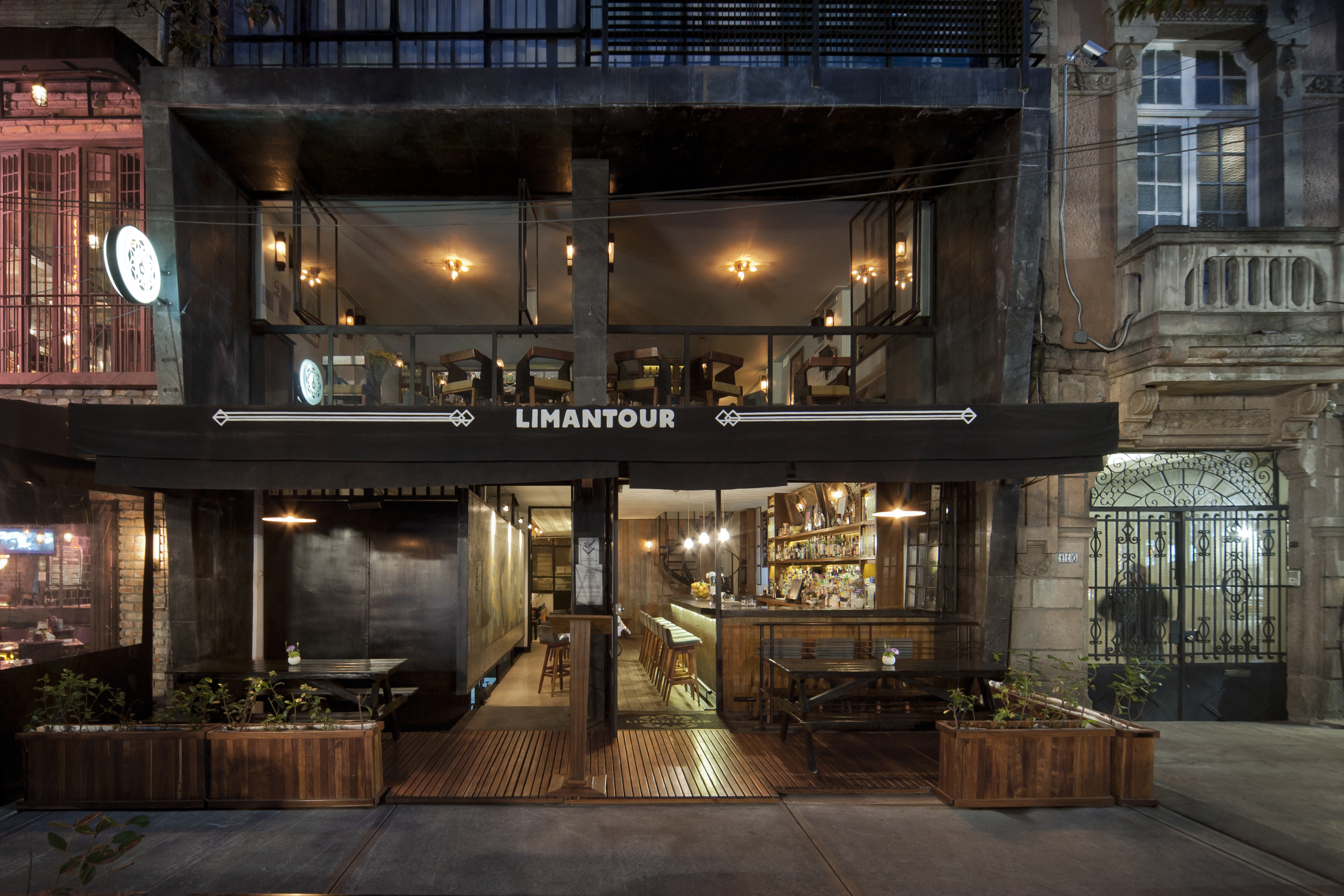
Fancy a globalised drinking experience, where Indian spices mingle with Austrian chocolate, and Twinings tea loses its virginity? Then step into Mexico City’s Limantour, where bartenders aspire to unite the flavours of the world in cocktail form. Limantour – which rocked in at a rather impressive number 13 on the World’s 50 Best Bars list in 2017 – has an extraordinary collection of drinking vessels hidden among its cupboards. Think anything from kitsch ceramic mugs to flaming molecular apparatus.

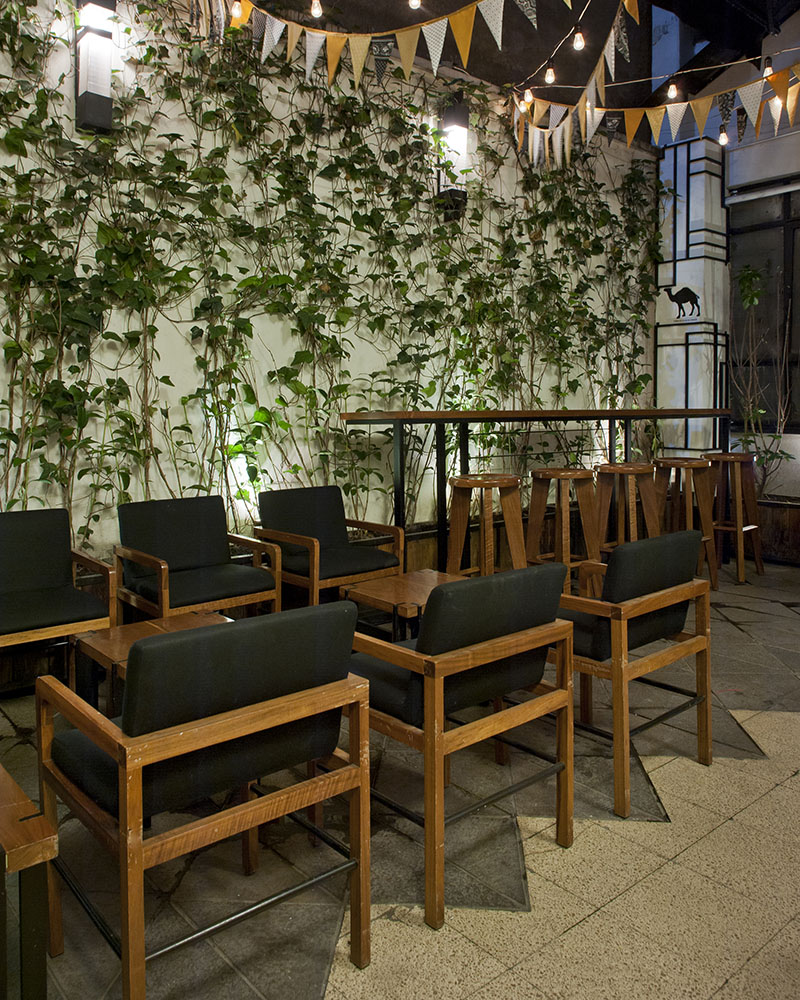
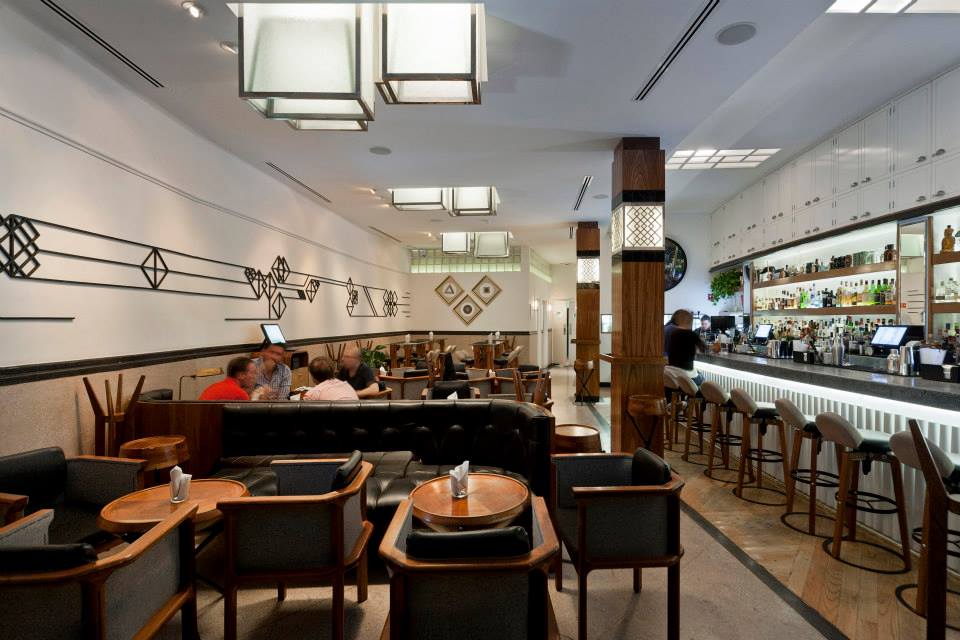
The bartenders are equally renowned among their industry brethren, and their global drinking adventures chronicled on the bar’s website. Perfection takes time, however, so grab a seat amid the minimalist Art Deco decor and glance upwards at the tilted ceiling mirrors where you can see reflections of the cocktail wizards working their magic. And with cocktails starting from just US$6.50, you might as well get to work on the menu stat. Welcome to the heart of the Mexican capital’s “New Old Days”.

Beats Detroit

It may be slowly emerging from financial crises, but one Motor City scene has thrived for more than 30 years. Sophia Softky digs into the history of techno and feels its force.

A first-time visitor to Detroit, Michigan – it’s pronounced DEE-troit by locals – might expect to find a city broken following decades of socio-economic strife and a 2013 declaration of bankruptcy. But what the fear-mongering headlines so often fail to capture is the city’s radical beauty and the incredible cultural vibrancy that thrums just below the surface.

Since the 1960s, the Motor City has been a musical powerhouse, having not only birthed Motown, but also a slew of world-class artists, from Diana Ross to Eminem, across all genres. Few, however, realise it’s also the birthplace of techno music. Three teenagers – Juan Atkins, Derrick May and Kevin Saunderson – began producing an electrifying new sound in the early 1980s, and continue to sell out festivals and club shows around the world today.

Even as the popularity of electronic dance music has spread, it is impossible to understand techno without getting to grips with the history of the city itself. “To really understand the depth of dance music you need to understand a lot of un-righted wrongs in Black and Latino communities,” says DJ Peter Croce of local record label Rocksteady Disco. “Detroit is exhibit A for a place that decided to leave a bunch of people for dead, but those people refused to die and [instead] they made techno.”

There is indeed plenty of un-righted wrong in Detroit, which shows during any drive (because at 370 square kilometres, the city is hardly walkable) beyond the ‘rejuvenated’ Downtown area, to where thousands of crumbling houses, abandoned shopfronts and empty blocks are returning to prairie. But while Detroit might not boast the glistening club districts of New York or Berlin, there is a dynamic nightlife culture to rival any metropolis… if you know where to look.

Given Detroit’s hard-scrabble, lawless reputation, it is fitting that the best, most exciting music is played in anonymous-looking buildings scattered throughout the urban sprawl. A prime example is Tires, a converted warehouse on the east side whose plain exterior is at odds with the weekly parties soundtracked by an impressive roster of world-class DJs happening within. Recently, hometown heroes Juan Atkins, Jay Daniel and John Collins have spun sets accompanied by sophisticated light shows and live performance art. If that doesn’t sound cool enough, the dance floor doubles as a skate ramp.

Marble Bar is another hidden gem: a windowless brick building on an otherwise abandoned block, with a surprisingly luxe interior – all polished wood, shining brass and, true to the name, swirling marble. In a classic illustration of how the dance music scene in Detroit is not restricted by age or even by genre, DJ Stacey ‘Hotwaxx’ Hale, who has been spinning records for more than 30 years, recently played at her own sixtieth birthday party here, accompanied by live classical musicians Nyumba Muziki (the name means house music in Swahili) and internationally renowned DJ Minx. That show, like almost every other event in the city, was attended by an astonishingly diverse cross-section of Detroiters, with twenty-something weekend warriors tearing up the dance floor alongside grandmotherly women in sensible shoes.

For dance music to suit all tastes, there is Temple Bar, a small, no-frills venue in the Midtown area, and likely the only club where you will be greeted at the door by a dog and a cat (they belong to owner and beloved local personality, George Boukas). It is also, by popular consensus, the favourite of both punters and DJs. “It has become a symbol for where Detroiters hang,” says Jon Dones of resident duo Haute to Death, which specialises in a mix of house, disco and all-eras pop. “It’s not the new, shiny, suburban tourist trap or craft cocktail soiree. It’s where a whole mix of people from the city’s various cultures collide. It’s unpretentious but with a healthy dose of sass.”

Andrew Schireson, aka Dretraxx, hosts the monthly party Body Worx at Temple Bar. “It’s home base,” he says. “I know so many people there. George is always there slinging drinks and mingling. His father used to own the bar. It’s just a piece of history. You can’t listen to techno in Detroit without being aware of being in Detroit.”

That sense of place is a unique aspect of the city that local musicians do their best to honour. Super fans and novices up for a challenge should seek out Exhibit 3000. Run by legendary DJ collective Underground Resistance, this ‘secret museum’ explores the history of techno. Then there’s Assemble Sound, a converted Lutheran church that serves as a collaboratively run recording studio and venue, and Paramita Sound, a new-era vinyl store and label dealing exclusively with Detroit and Michigan-based artists.

While Detroit still faces clear challenges, culturally it is a city on the rise – and there are far too many excellent venues (TV Lounge and Populux for big-name out-of-town acts, Motor City Wine for low-key jazz and soul, The Works and Doug’s Body Shop for hard-hitting, grungy late-nights, UFO Factory for eclectic programming and decor), local DJs (Erika, Monty Luke, Ryan Spencer, Joey TwoLanes and Mother Cyborg, to name-check just a few) and broad-genre up-and-coming ‘it’ bands (Shigeto, Gosh Pith, Flint Eastwood) to experience in a weekend, a month or even a year. “The music scene is exploding right now,” says Schireson. “It seems like for every old venue closing down, there are two opening up. I feel very positive about the future. I know it’s in good hands.”

P.I. in the Sky in Hawaii

“Should have grown that mo,” I think to myself. “A thick fat caterpillar on my top lip. And I should have worn a Hawaiian shirt.”

Our replica Magnum PI helicopter has just taken off across one of Turtle Bay Resort’s two golf courses. The iconic eighties TV show soundtrack is blaring through our headphones and, as the chopper lurches upwards over the disappearing North Shore, I grip the handles above me and check my seatbelt for the fifth time in five minutes.

Our pilot, whom I call TC (he tells me he’s heard it before), points out the famed surf breaks of Sunset Beach, Waimea Bay and the treacherous Pipeline. From this height they don’t seem so nasty. TC banks sharply inland and, as the helicopter leans, I’m looking directly down at the coast. It isn’t the first time in this hour-long circumference of Hawaii’s O’ahu that I question asking for the “no doors” option.

We fly south over vast pineapple and farming plantations. In the distance the rims of ancient volcanoes jag upwards. Within minutes we can see the south coast and Pearl Harbor’s collection of battleships. From our high vantage point directly overhead it looks like a young boy’s bedroom, an enviable collection of toy ships waiting for playtime. TC circles the USS Arizona, sunk by the Japanese on 7 December 1941 leading the USA into World War II. The silhouette of her hull is still visible through the clear Pacific waters.

Ahead commercial airplanes take off and land as we dart through Honolulu International Airport for a quick pit stop. TC picks his route and, as a United Airlines flight departs, we skim across the runway, rising up and out over a forest of skyscrapers shadowing Waikiki Beach from the morning sun.

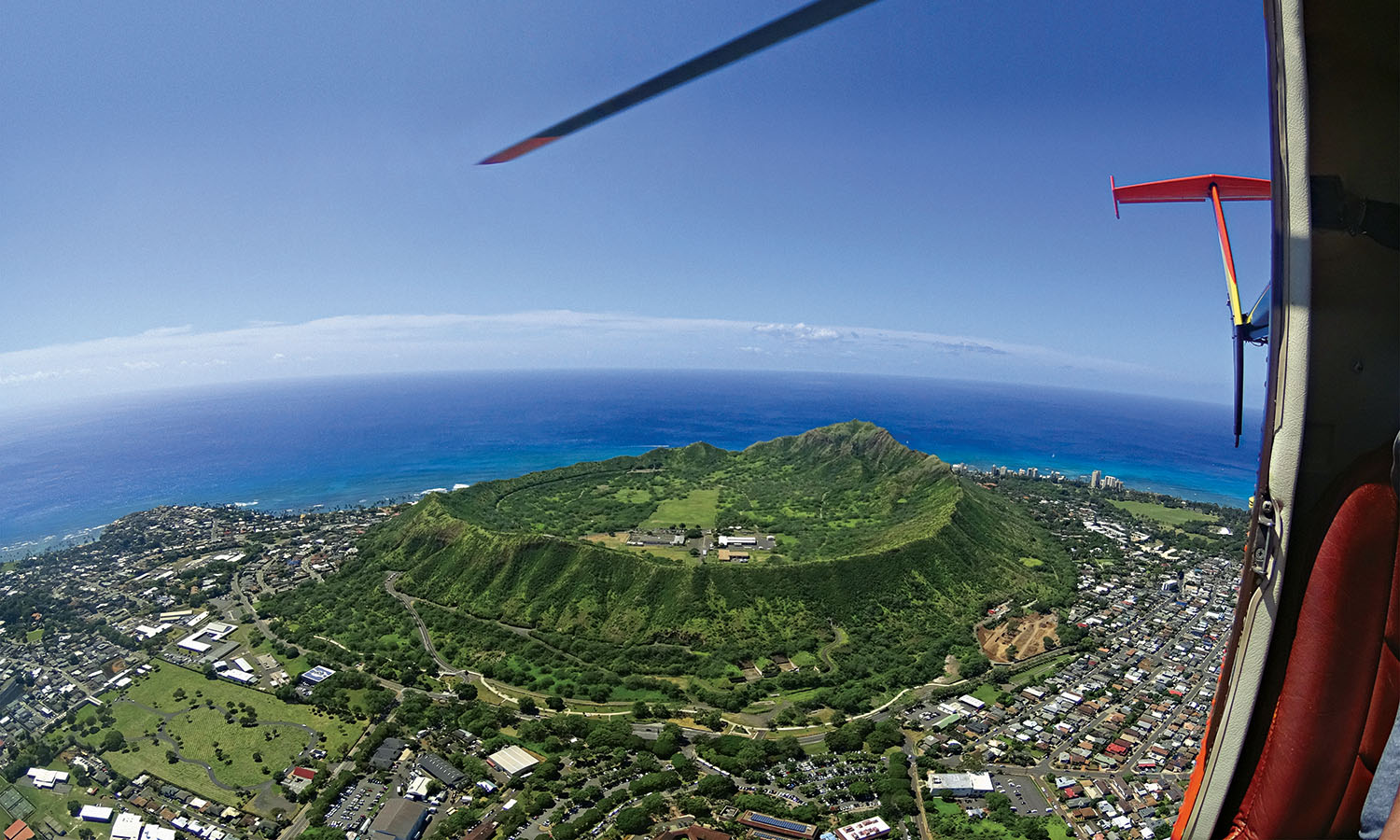
Circling the imposing Diamond Head we make our way north along the west coast. I can’t help but look back. This ancient volcano stands like a naturally formed colosseum about one kilometre wide. It is a perfect example of the stunning landscape of Hawaii’s islands and is even more impressive from this perspective.

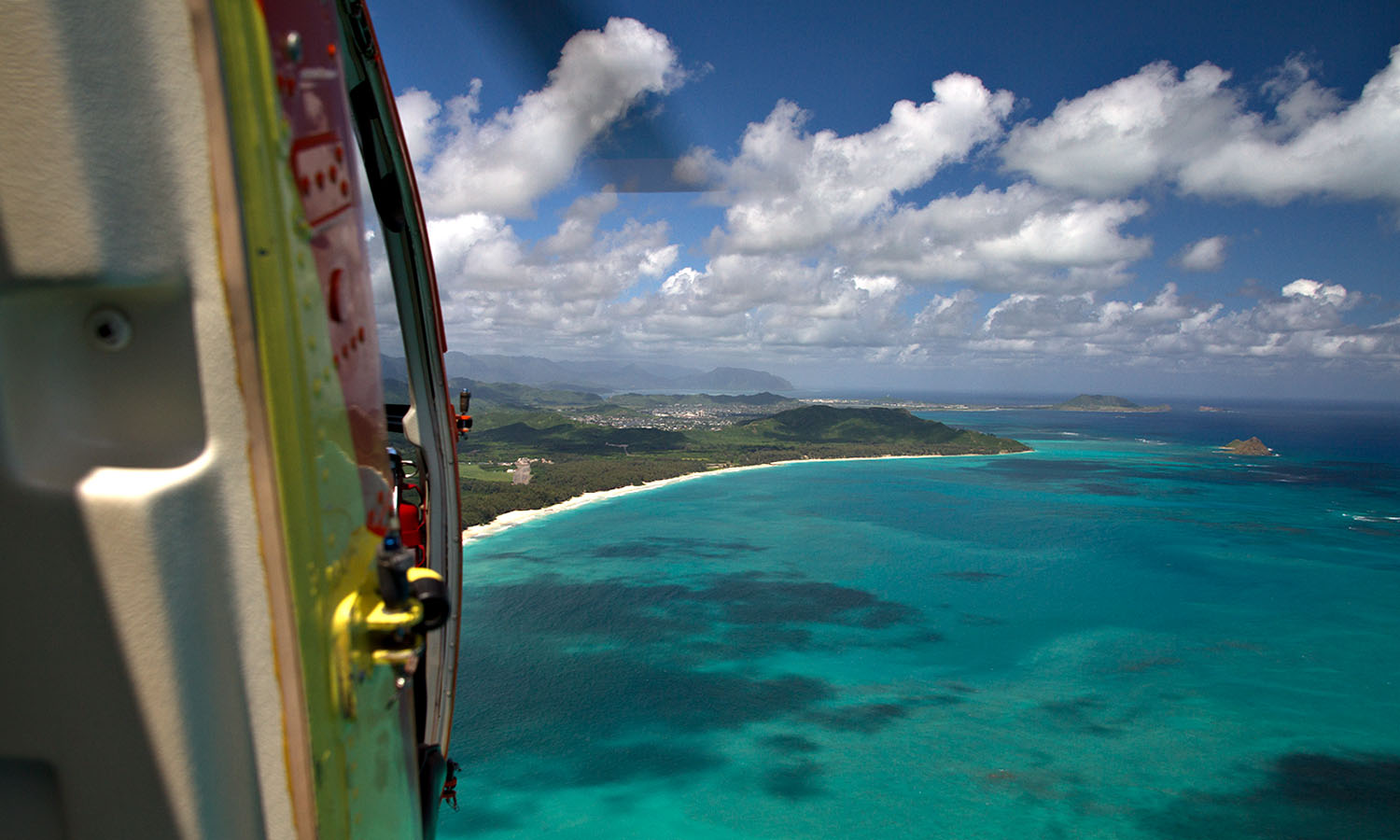
The west coast is dotted with small communities among soaring peaks and islands poking through the ocean’s surface. It is obvious why this island was chosen to film the Jurassic Park series. All that’s missing is a pterodactyl gliding alongside us. TC points out the house where Magnum lived (in the series) then darts inland to Kaliuwa’a (Sacred Falls). We hover above the 330-metre cascade for a few minutes before a final pass over the North Shore surf breaks.

Still shaking as we walk from the chopper, I suggest to TC a Ferrari to take us back to the hotel would be the perfect finish, and he smiles a wide grin. I get the feeling he loves the experience as much as I have even though he’s flown it hundreds of times. He must surely be sick of that theme song though.

Take an Arctic safari

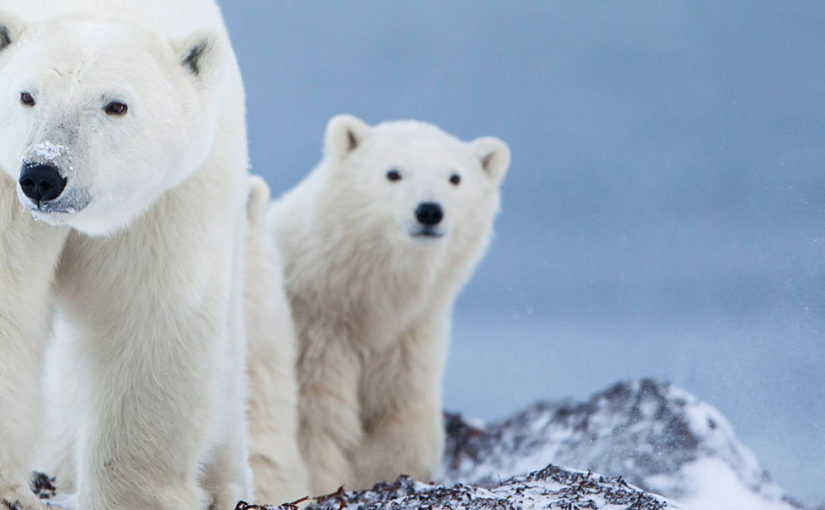
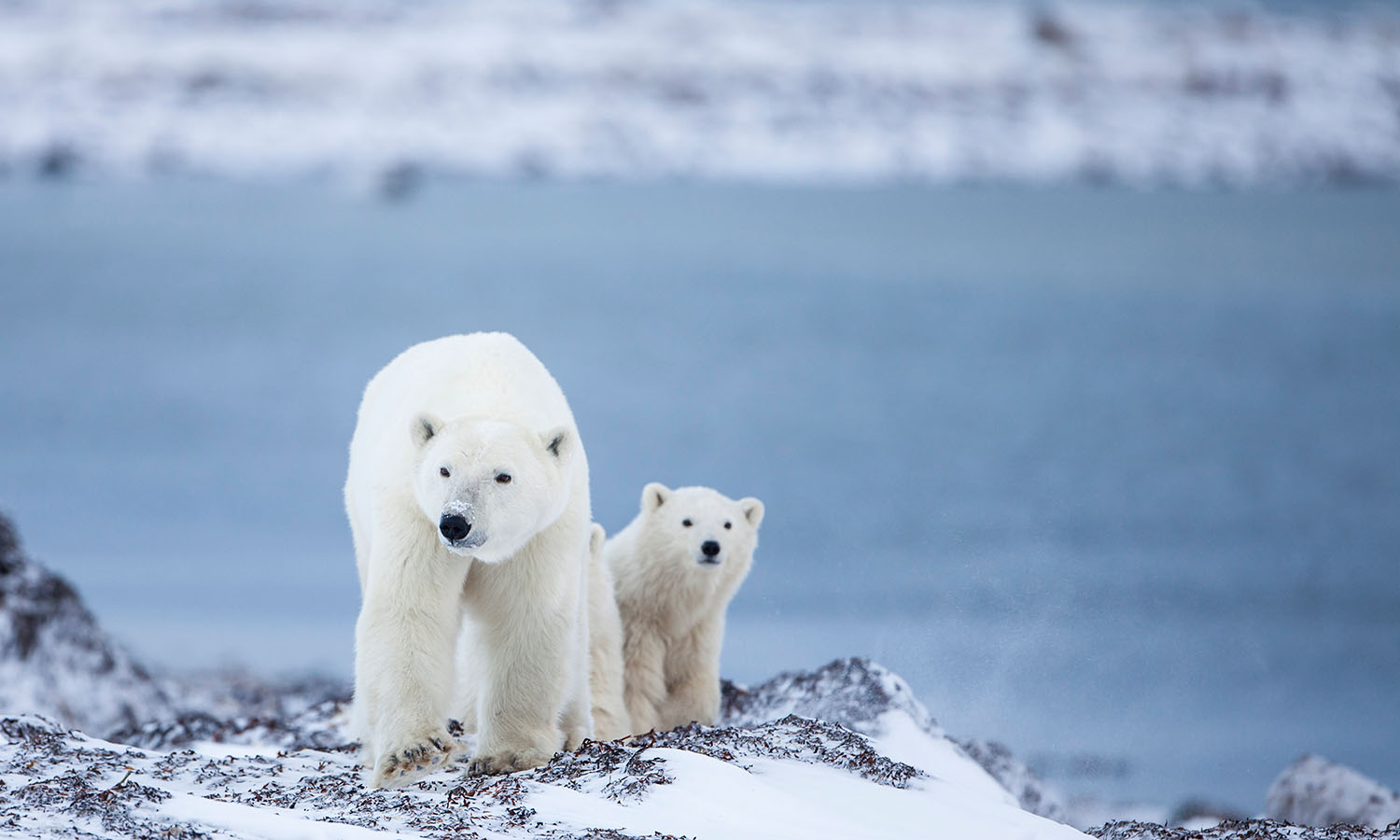
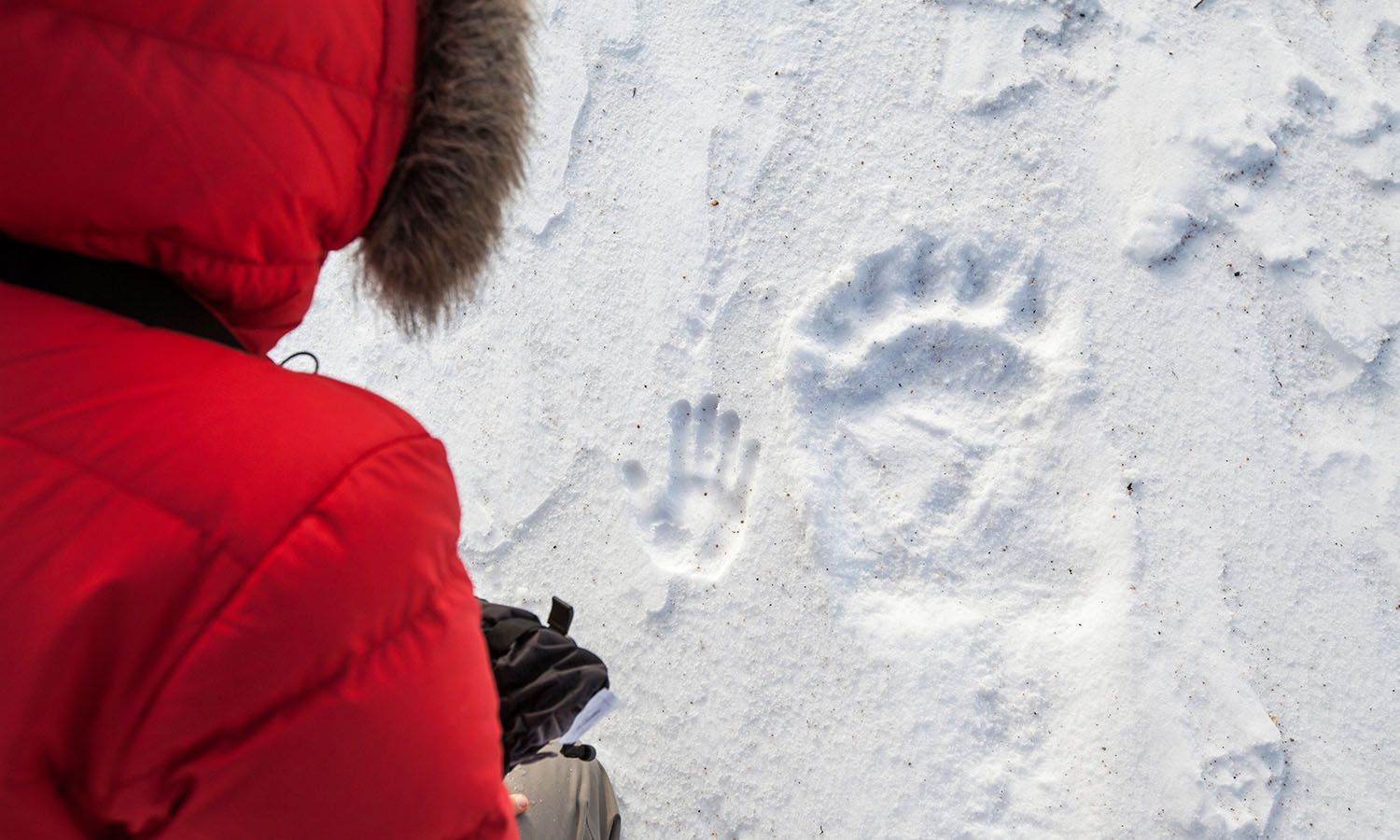
The location of the world’s second largest desert might surprise you. Covering a whopping 5.4 million square miles, the Arctic in fact holds that mantle. On first inspection this desolate expanse of frozen land – chunks of which belong to Denmark, Russia, Canada and more – seems home to nothing more than the howl of high winds. But a careful study reveals a landscape that cradles some rather curious wild creatures, from the elfin features of the American pine marten (a small furry member of the weasel family) to the snow-white fur of Arctic foxes and the fiercely powerful paws of the polar bear.

Canada’s extensive terrain offers ample opportunity to spy on some of these animals of the tundra – from the Barren Lands to the iceberg-freckled Hudson Bay and the so-called Land of the Little Sticks. For those who want to journey through all three landscapes with experts on hand, Rail Plus offers a nine-day tour of tundra trekking, bush plane chartering and wildlife viewing.

Tailgate with locals in the Midwest

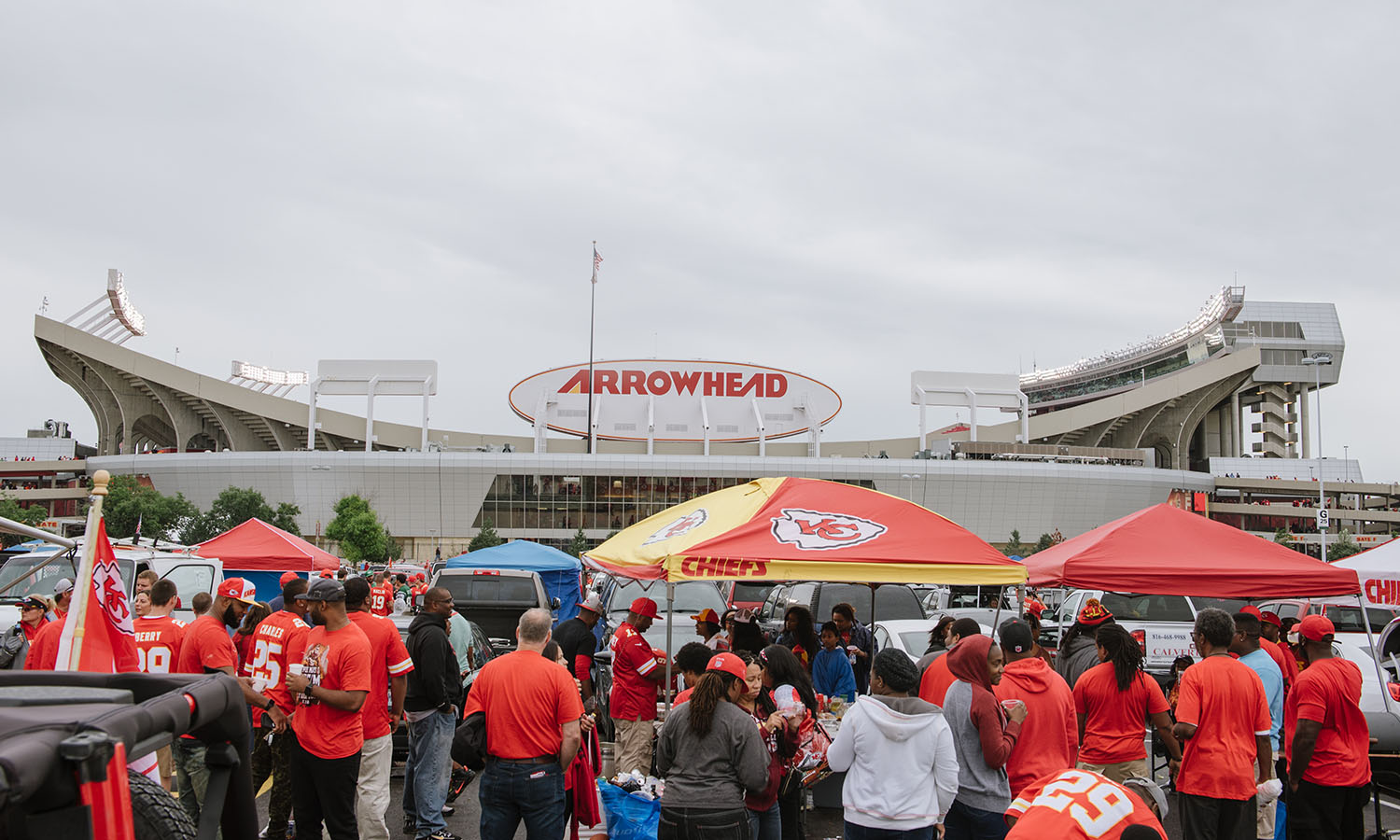
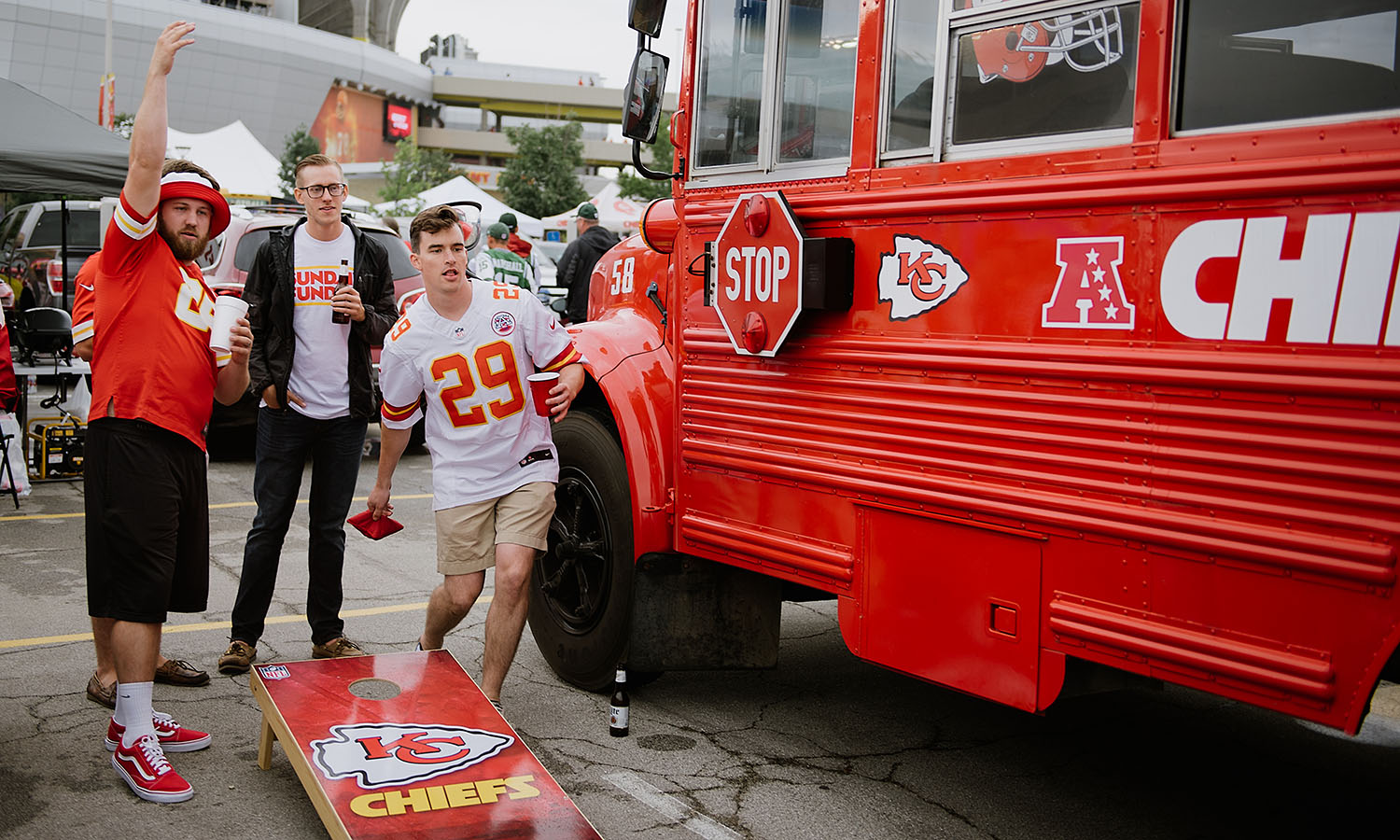
Head in the direction of the Harry S. Truman Sports Complex on a sports game day in Kansas City, Missouri, and a blissful cloud of BBQ smoke is sure to lure you, in a mouthwatering trance, towards the stadium carpark. Here, you’ll find thousands of tailgaters – local sport fans, gathered before a match to grill food, eat, drink and socialise. Sport is ingrained into the local culture, making the tailgate party tradition the perfect way for any traveller to really experience the city’s way of life.

You won’t find the stadium downtown, meaning plenty of space for a big parking lot, full of locals that are dedicated to the grill. Kansas City has a rich and proud BBQ history – according to chef Anthony Bourdain, “the best BBQ in Kansas is the best BBQ in the world”. Expect talented grillers displaying their skills – family recipes accompanied by cold beers and some of the juiciest, tastiest meat you’ll ever sink your teeth into.

But it’s more than chargrilled morsels – tailgating is also about the people, and bathing in a sense of community and togetherness. The Midwest is renowned for its generous, welcoming denizens, who also have a competitive streak that stretches both on and off the field. Come equipped with a six pack under your arm and you’re sure to make fast friends, be offered food and drink and then challenged to one of the many tailgating games, such as ‘Cornhole’ – a bean bag toss match – in the parking lot.

Make plans to visit between September and December for peak football season, and catch one of America’s great pastimes in possibly the tastiest, friendliest way possible. And for an instant ‘in’ with the locals let SportsHosts set you up with a local host.

Encounter belugas, bears and blooms

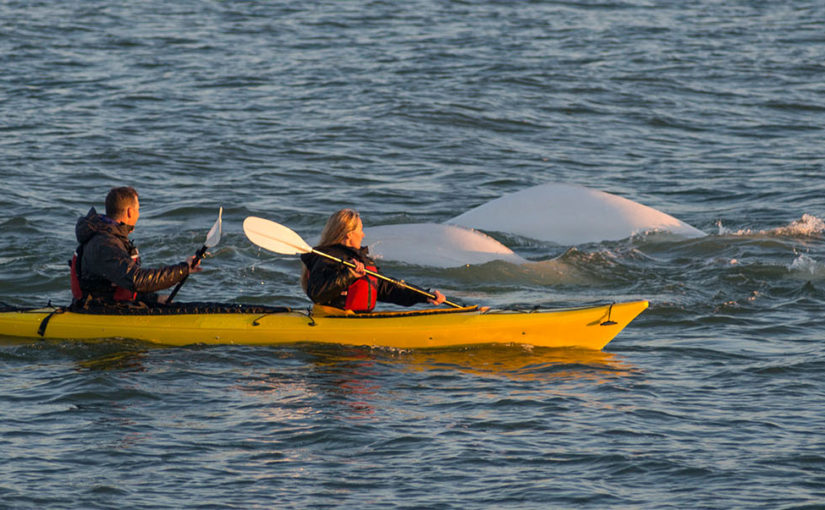
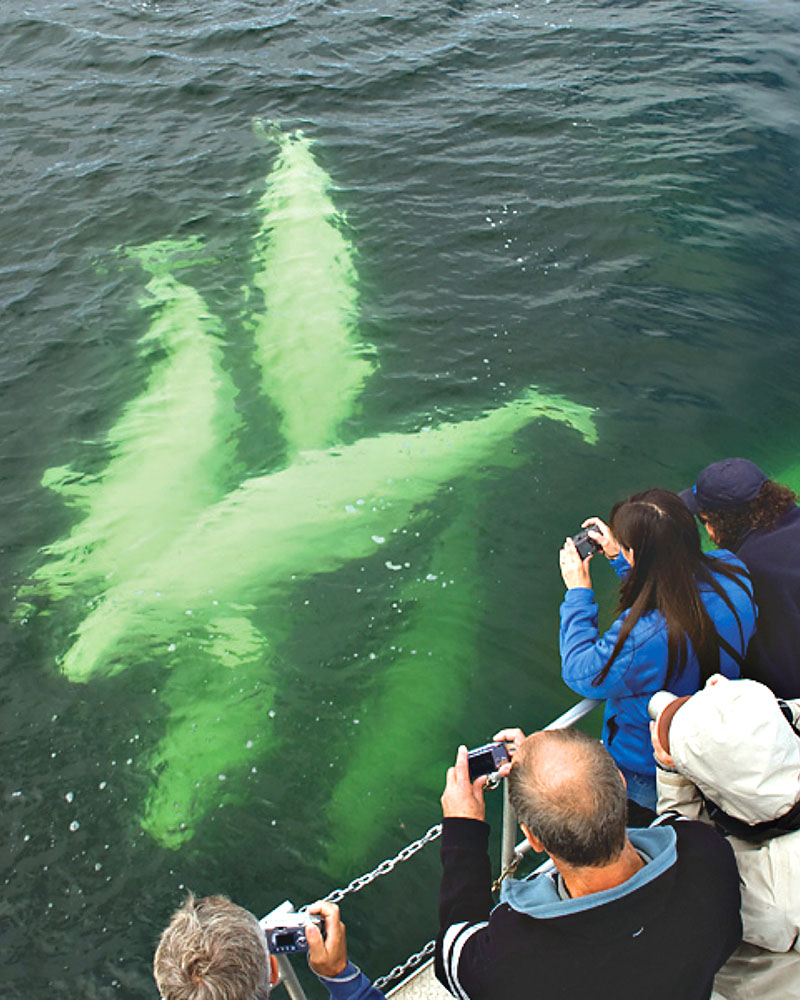
With their ludicrously curvy contours, ivory white skin and eyes planted on either side of a rather bulbous forehead, the beluga whale is surely one of the ocean’s most cartoon-like creatures. There’s only around 150,000 of these marine mammals in the wild, but some 3,000 of them congregate in the Churchill River come summer in Canada. During July and August the whales migrate into the river to give birth and feed on the abundance of small fish that cruise these waters.

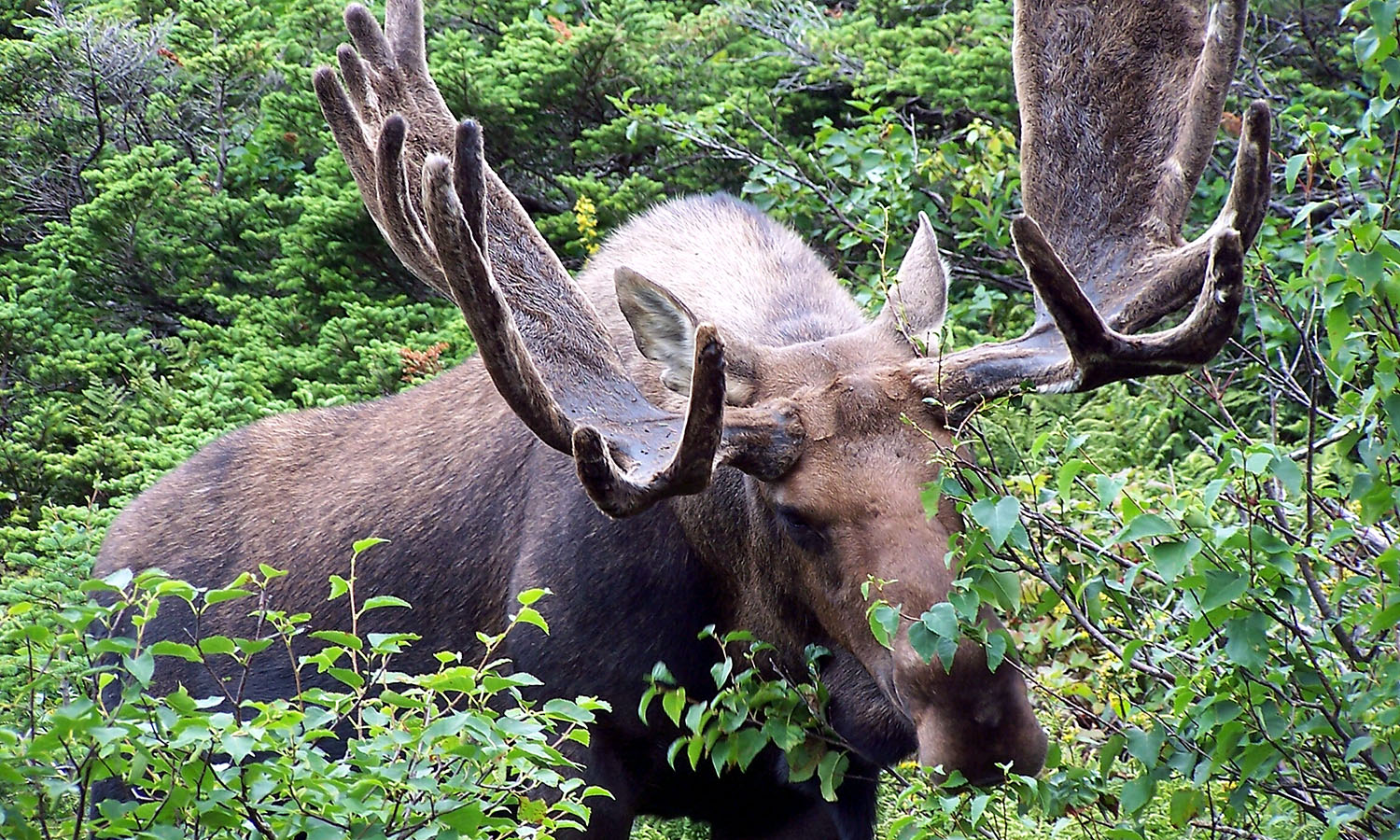
Also known as the ‘canaries of the sea’, these animals are known for the series of chirps, clicks, whistles and squeals that they emit while talking to each other. Have a listen for yourself by going kayaking or on a snorkelling adventure through these cool waters on Rail Plus’ eight-day Birds, Bears and Belugas itinerary. If whales aren’t your bag then fear not, as there is plenty of other wildlife to admire in this Arctic wilderness – think caribou, foxes, wolves, moose and birds galore.

Track down Canada’s Big Five

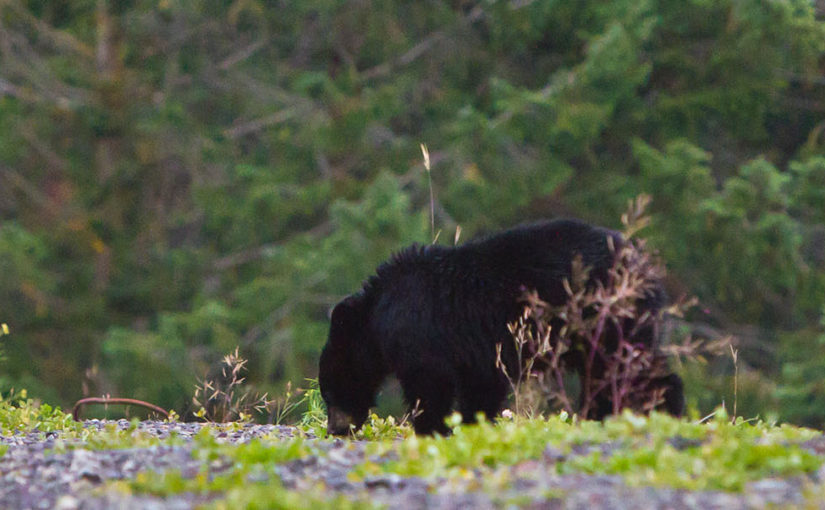
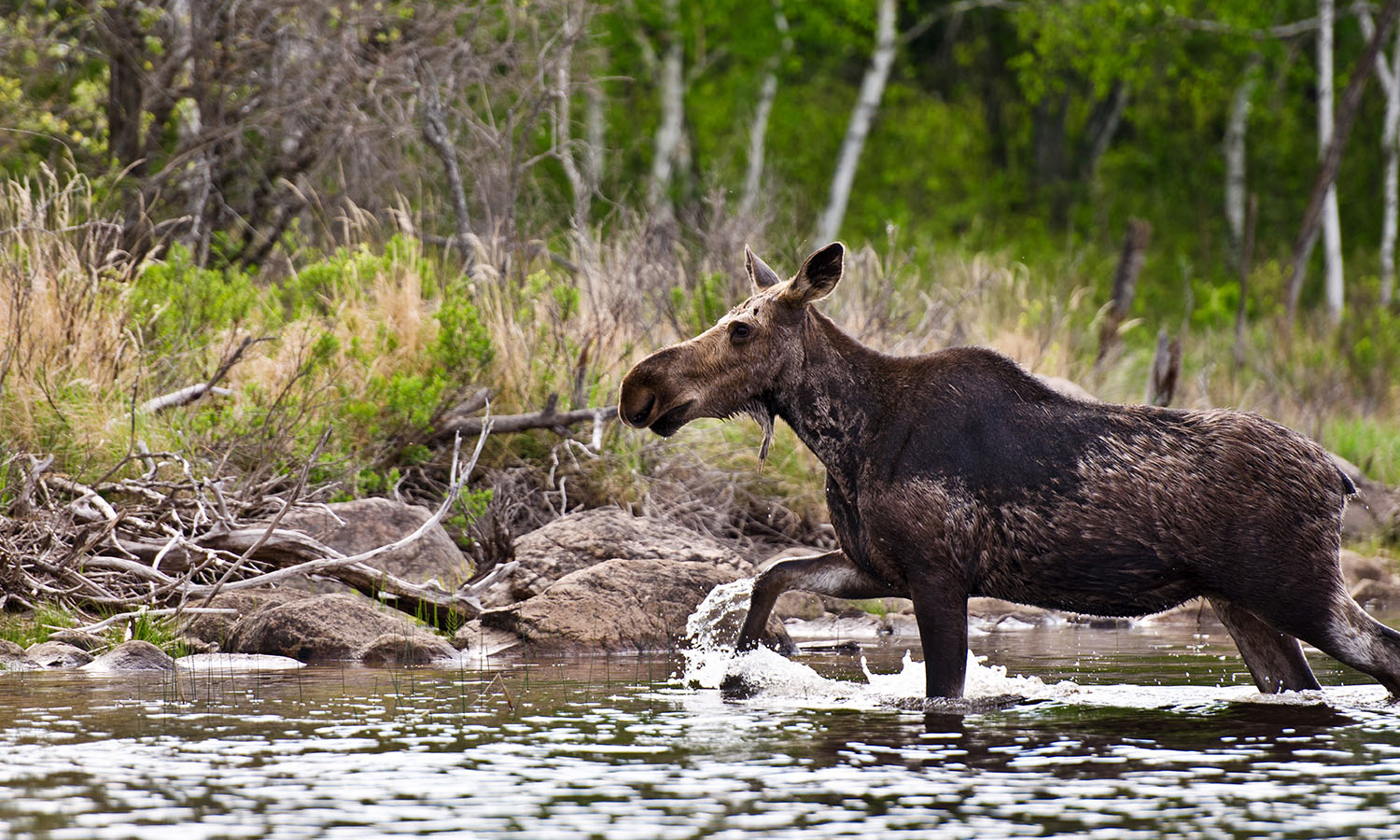
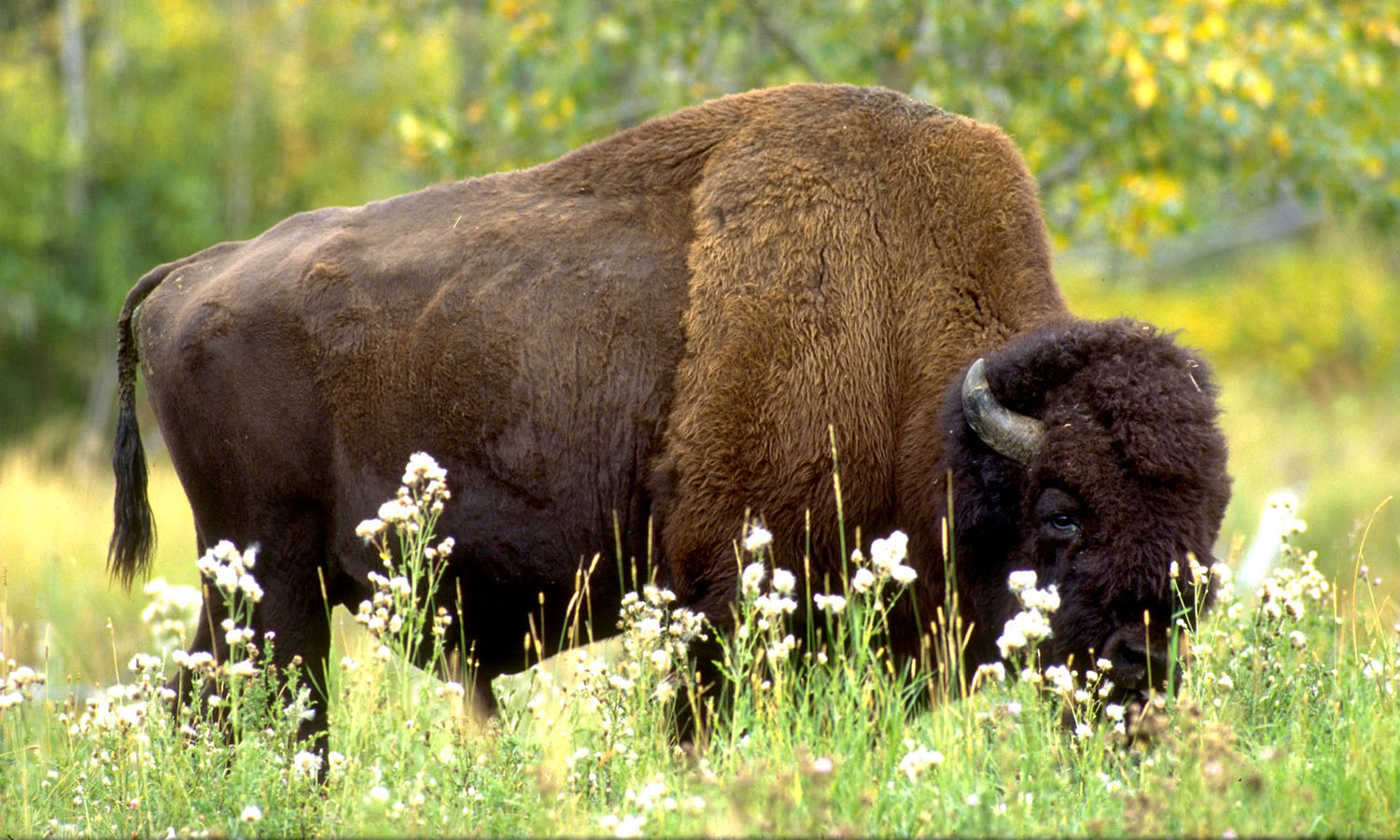
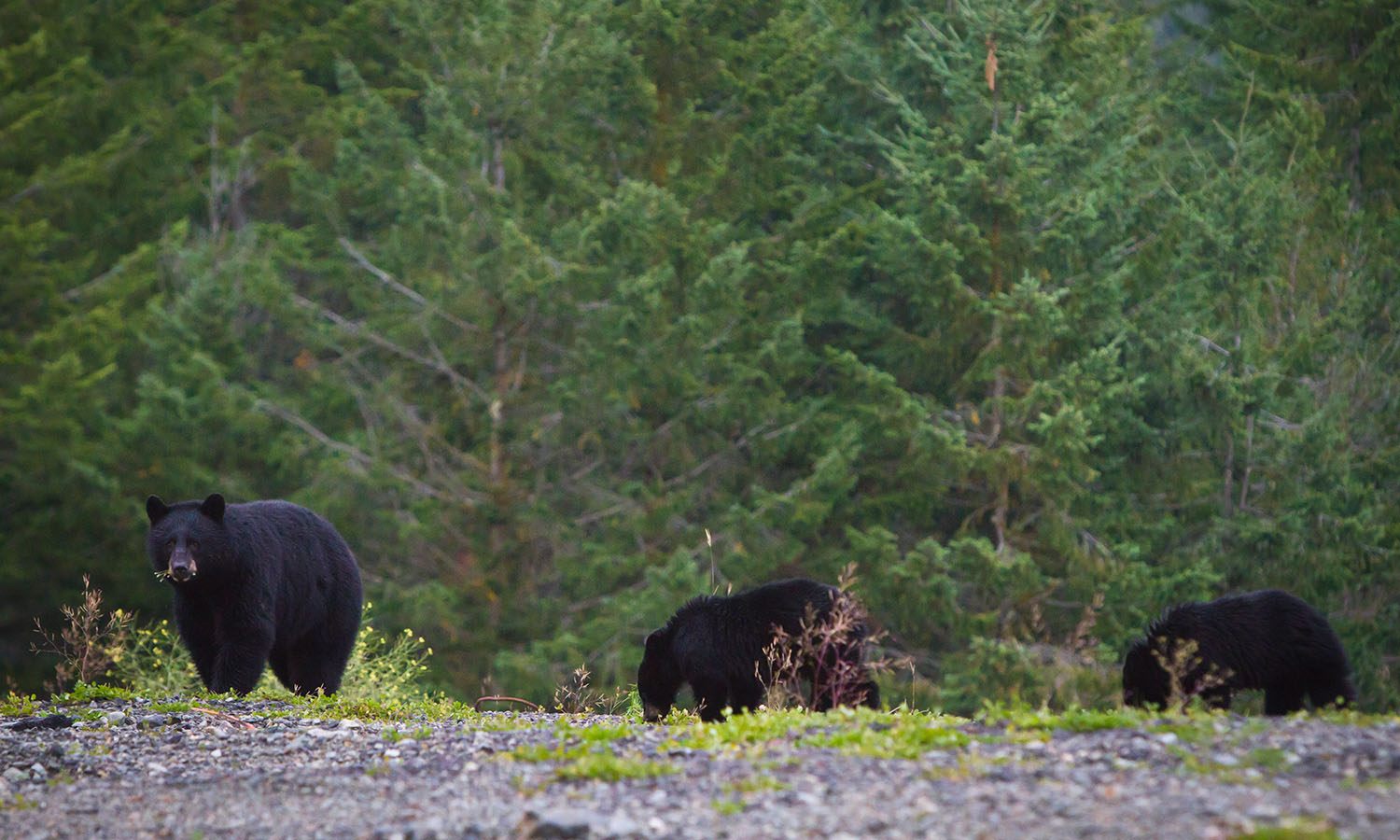
Turns out the big five isn’t limited to the African plains after all. For an altogether different style of safari turn your attention to the Canadian Prairieland of Manitoba, which boasts five rather large mammals of its own. From the coniferous forests, grasslands and marshes of Riding Mountain National Park, which harbours black bears, moose and bison, to the barren surrounds of the Arctic Hudson Bay town of Churchill, where polar bears prowl and beluga whales feed in the waters.

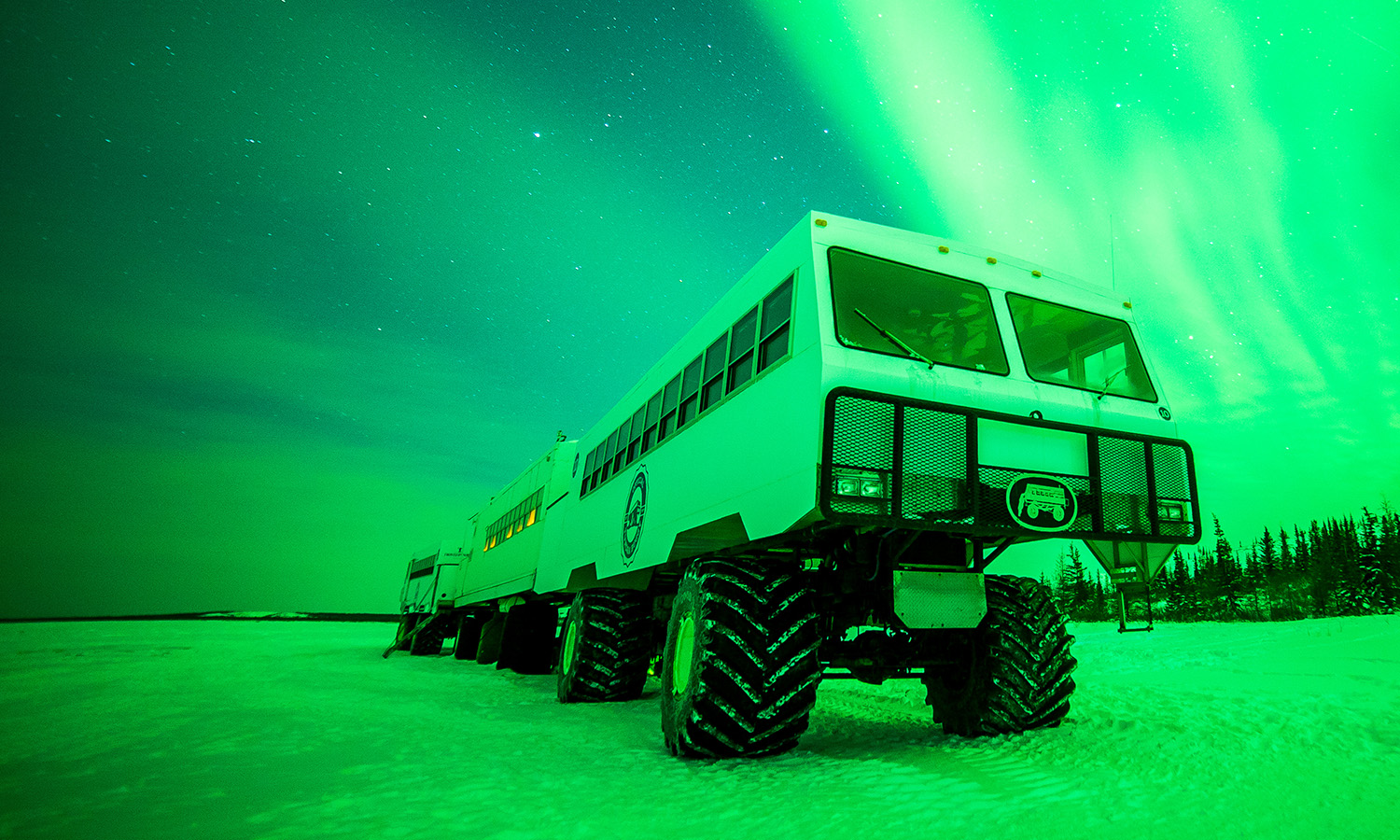
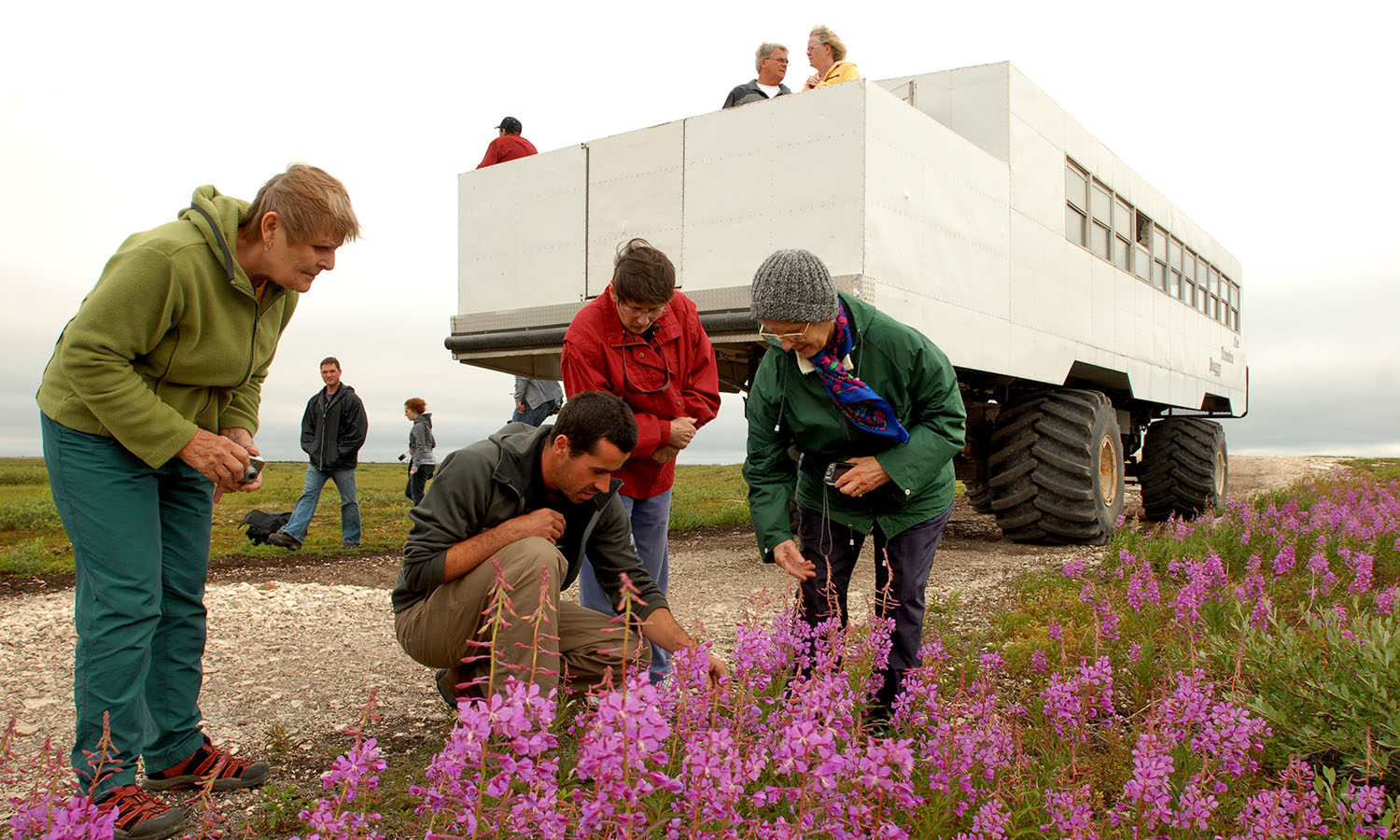
There are plenty of ways to observe the local fauna too. On Rail Plus’ eight-day safari guests will jump aboard a giant tundra buggy to bowl over the subzero landscapes to spy on local bears with a naturalist on board; they’ll career around northern boreal forest on a dog carting excursion; and they’ll bounce over the white-crested waters of Hudson Bay on a Zodiac to look for the rubbery white bodies of Beluga whales.

Cruise 1000 metres high over Whistler

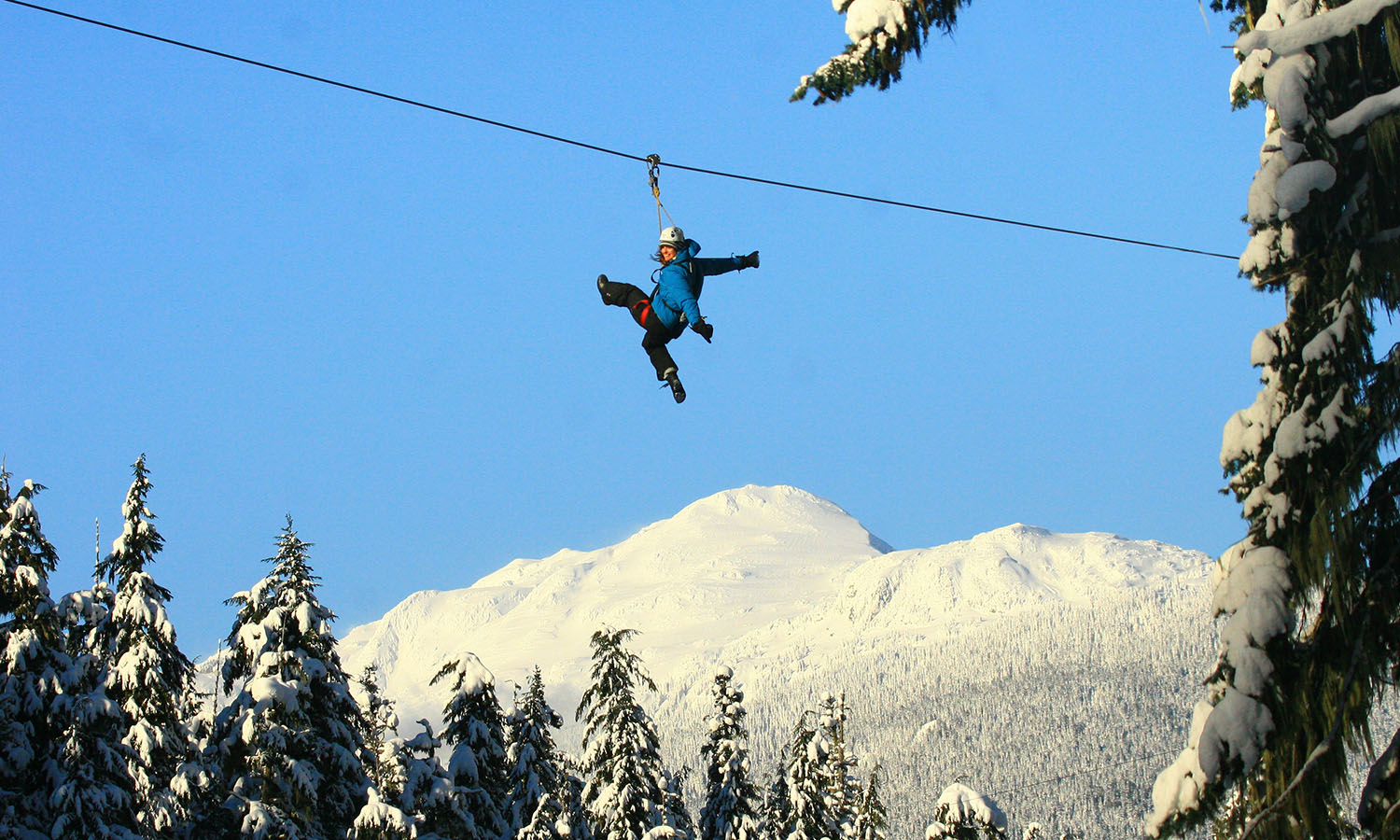
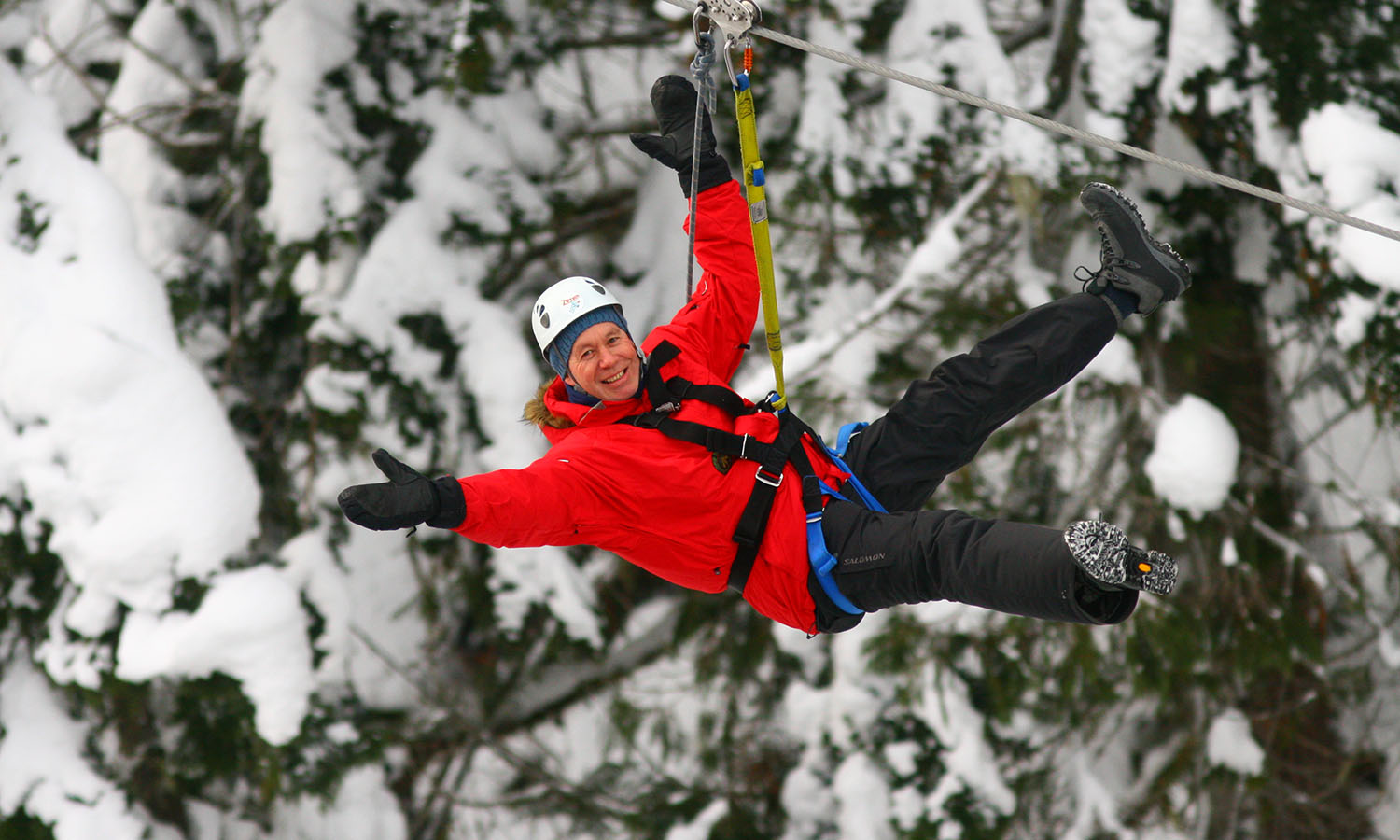
Australians flock to Whistler to zoom down its slopes, but if you thought the landscape was magnificent from the ground, imagine taking it all in from the sky. In winter the Ziptrek Eagle Tour whisks adventurers across five lines in a setting of frosted pines, with soaring mountains as a backdrop and a marshmallow terrain below. In summer it’s all babbling brooks and green as far as the eye can see. If the old-growth rainforest in Fitzsimmons Valley wasn’t enough to make this trip unforgettable, hurtling 30 storeys down the tour’s new 730-metre line is sure to do it. The three-hour escapade ends right in Whistler Village, so hit the hills once you’re done or head straight to a bar for après.

Explore Canada from Coast to Coast

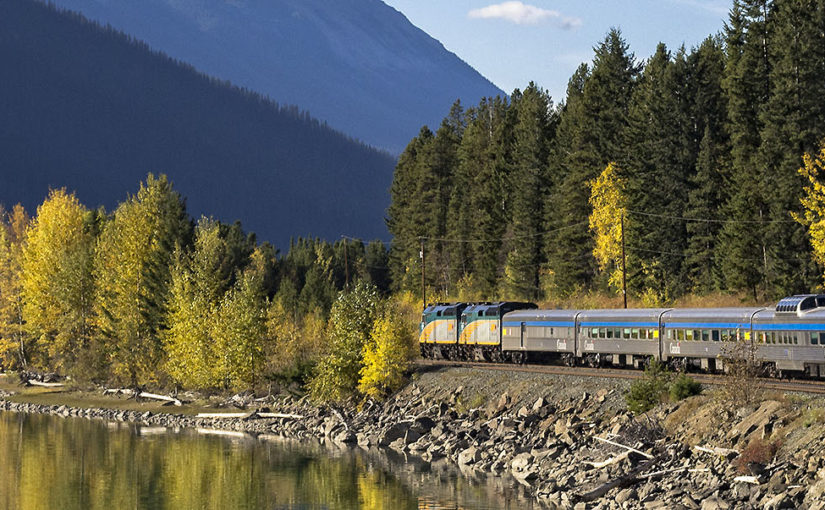
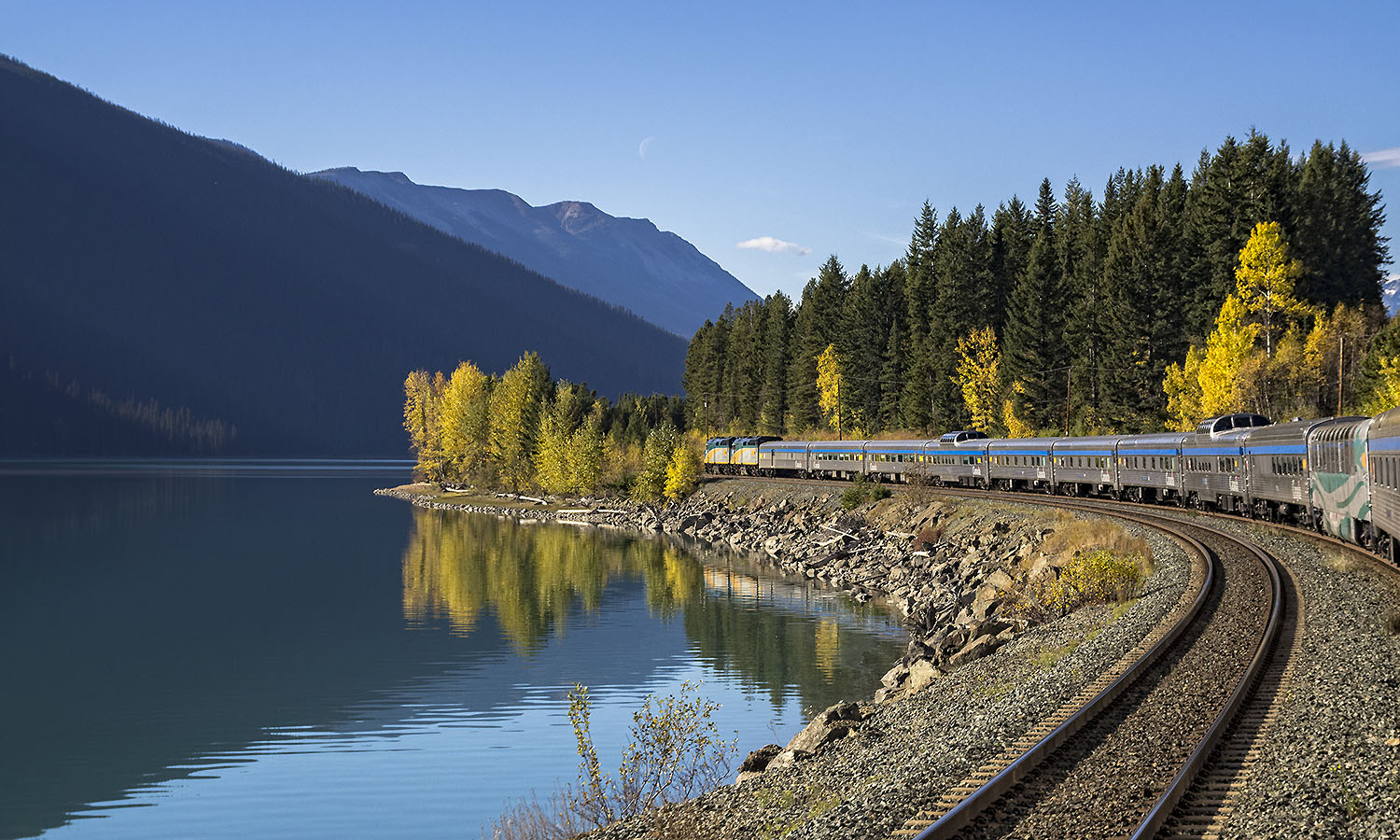
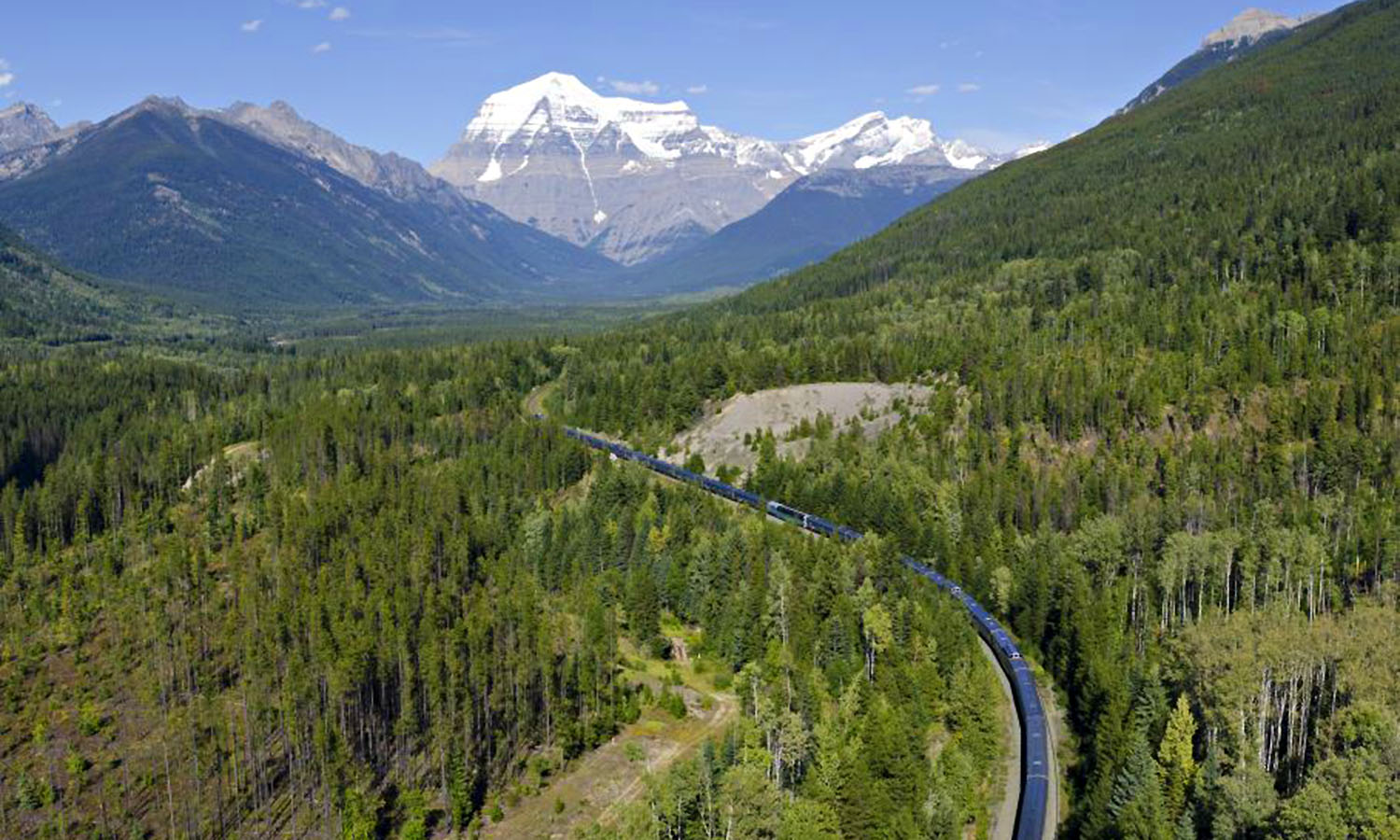
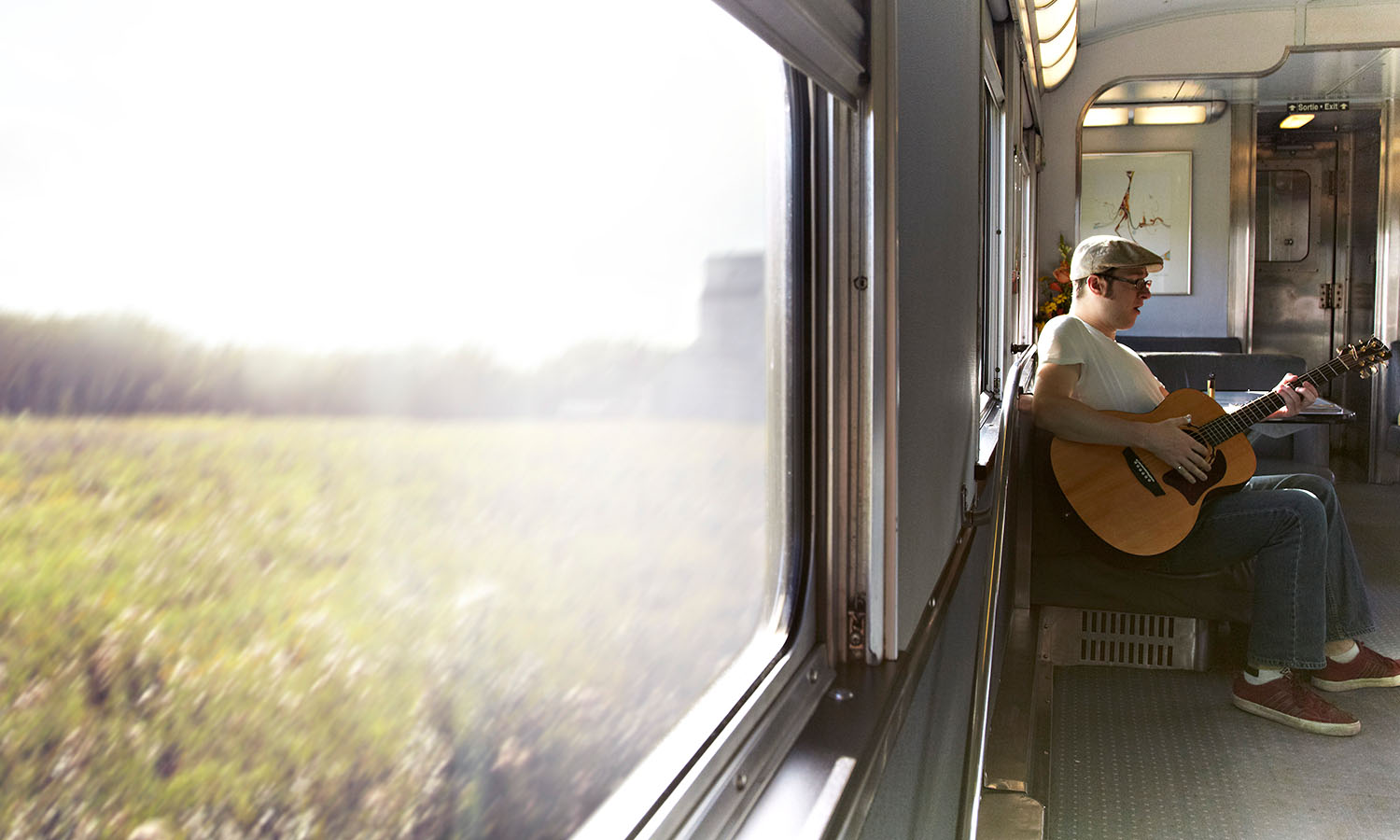
Watch Canada’s wildly diverse landscape materialise before your eyes from the comfort of a cosy train car, as you journey across the world’s second largest country. You’ll take in Canada’s five most southern provinces – British Columbia, Alberta, Saskatchewan, Manitoba and Ontario – as you travel from east to west (or vice versa) on board The Canadian. From the buzzing harbourside metropolis of Vancouver through the heart of the rugged Canadian Rockies and onto the multicultural mecca of Toronto, this epic journey encompasses many of the natural, urban, cultural and historical contrasts that make Canada such a beguiling nation to visit.

Those that opt for the full transcontinental shebang will roll a whopping 4,466 kilometres across the country, spending four nights and three days aboard. That leaves plenty of time to sample the local Canadian fare served up in the dining car while admiring the scenery. And should you tire of the landscapes rolling by (unlikely), then there are plenty of wine tastings and musical performances to keep you entertained.

Trace the trail of Klondike stampeders

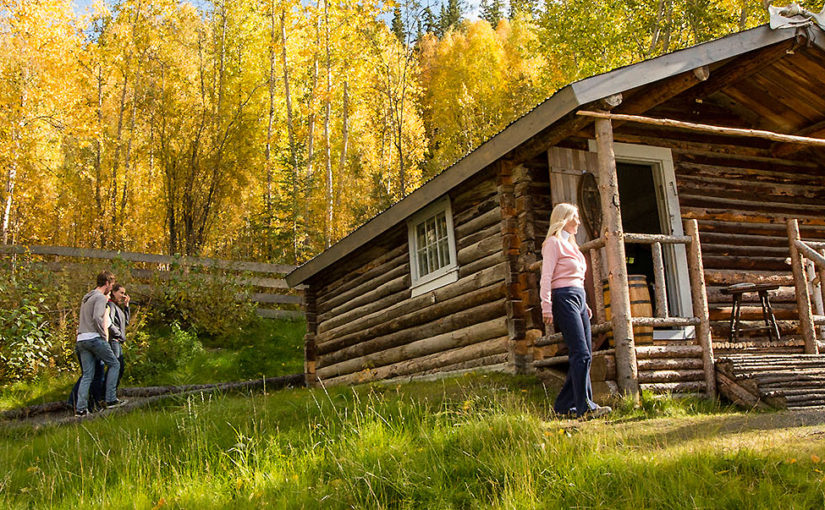
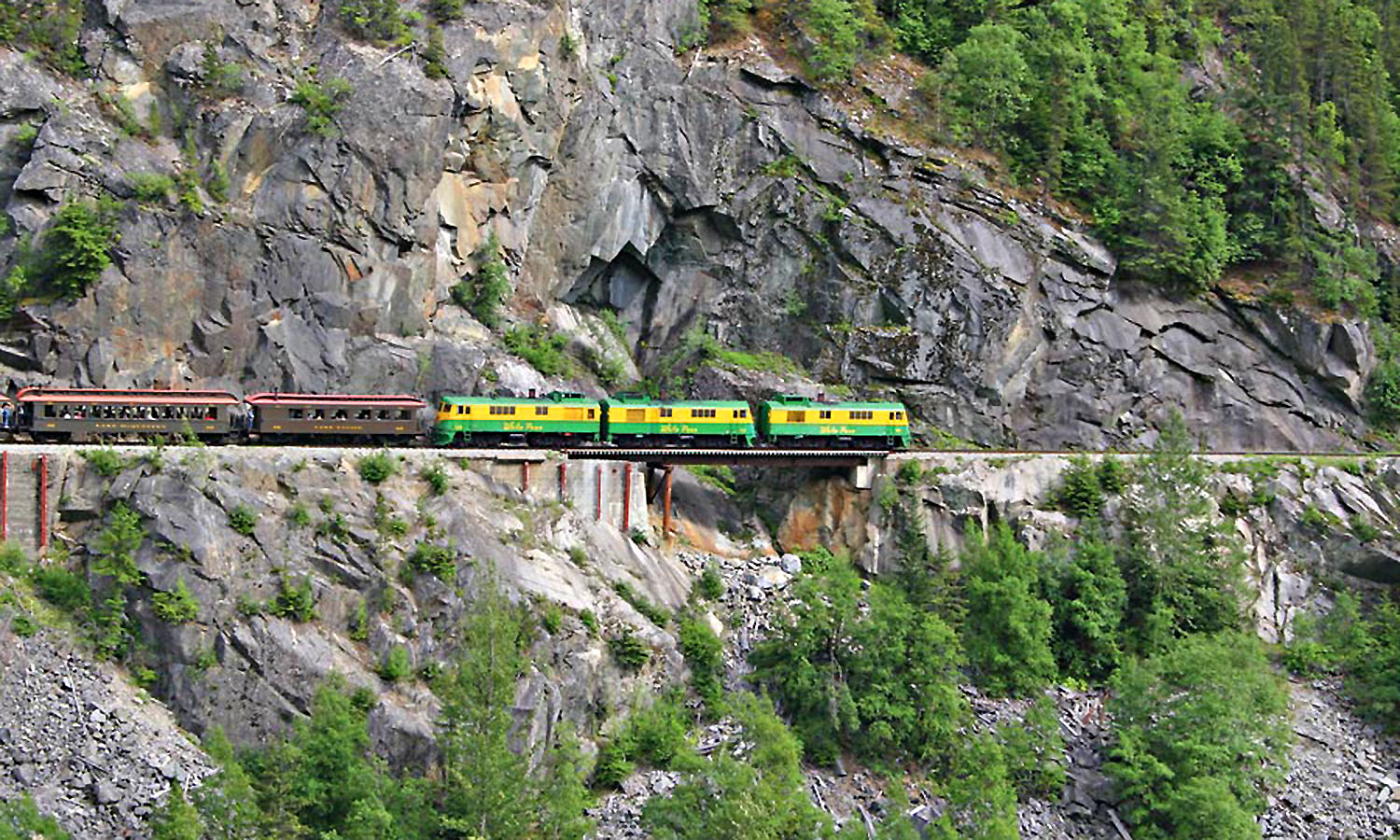
Ever wondered what it would be like to follow in the footsteps of the Klondike stampeders? Well this is your chance to live like it’s the 1890s and do exactly that. Travelling over 100 kilometres north from Skagway, Alaska, today you will wind up in two countries, crossing from the USA into Canada’s Yukon territory and back again.

Unlike the prospectors of yesteryear you will thankfully not be attempting the treacherous mountain passes ill-equipped and by foot. Instead, my friend, you will watch the glaciers and gorges roll by your cosy train carriage window, before taking a lunch break at the scenic gold rush town of Bennett. You’ll also break from the White Pass and Yukon Route Railroad to take a quick detour to the famed Klondike Highway.