Oh, Canada: is there no end to your beauty? No? Well, thank goodness for that, because we would’ve cried ourselves silly if there were – and you should, too: from the creative and culinary hub of Vancouver and Whistler’s snow-covered maze-like streets, to national parks around every corner – Wells Gray, Jasper, Banff, Yoho and Glacier just to name a few – Canada is a dreamboat for nature lovers and city slickers alike. Thankfully, Intrepid Travel’s Canadian Rockies tour is a slam dunk when it comes to taking the plunge into the great outdoors here.
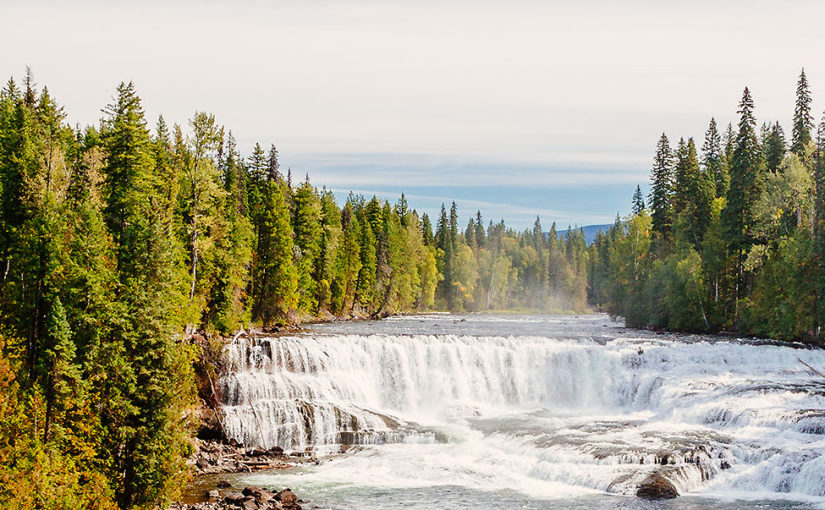
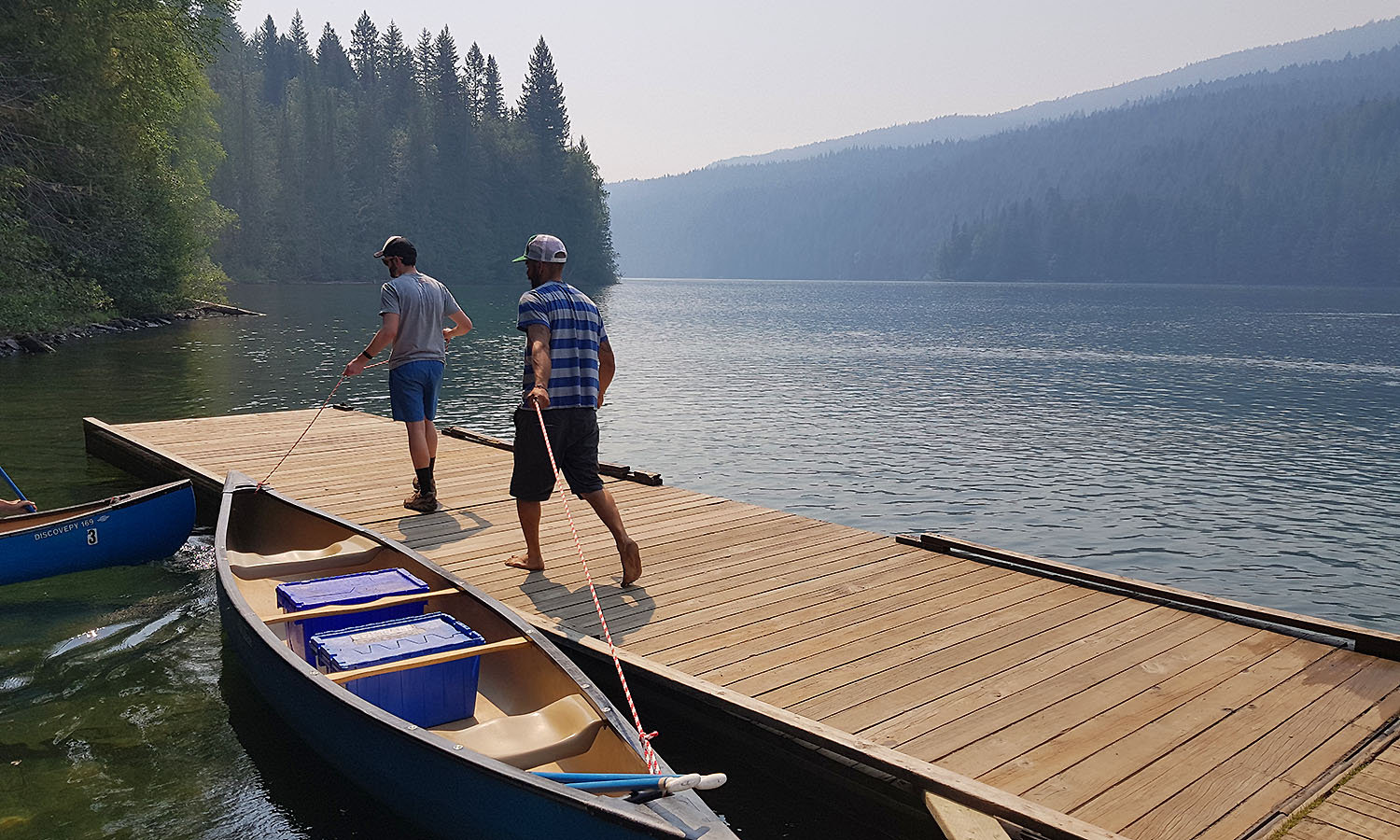
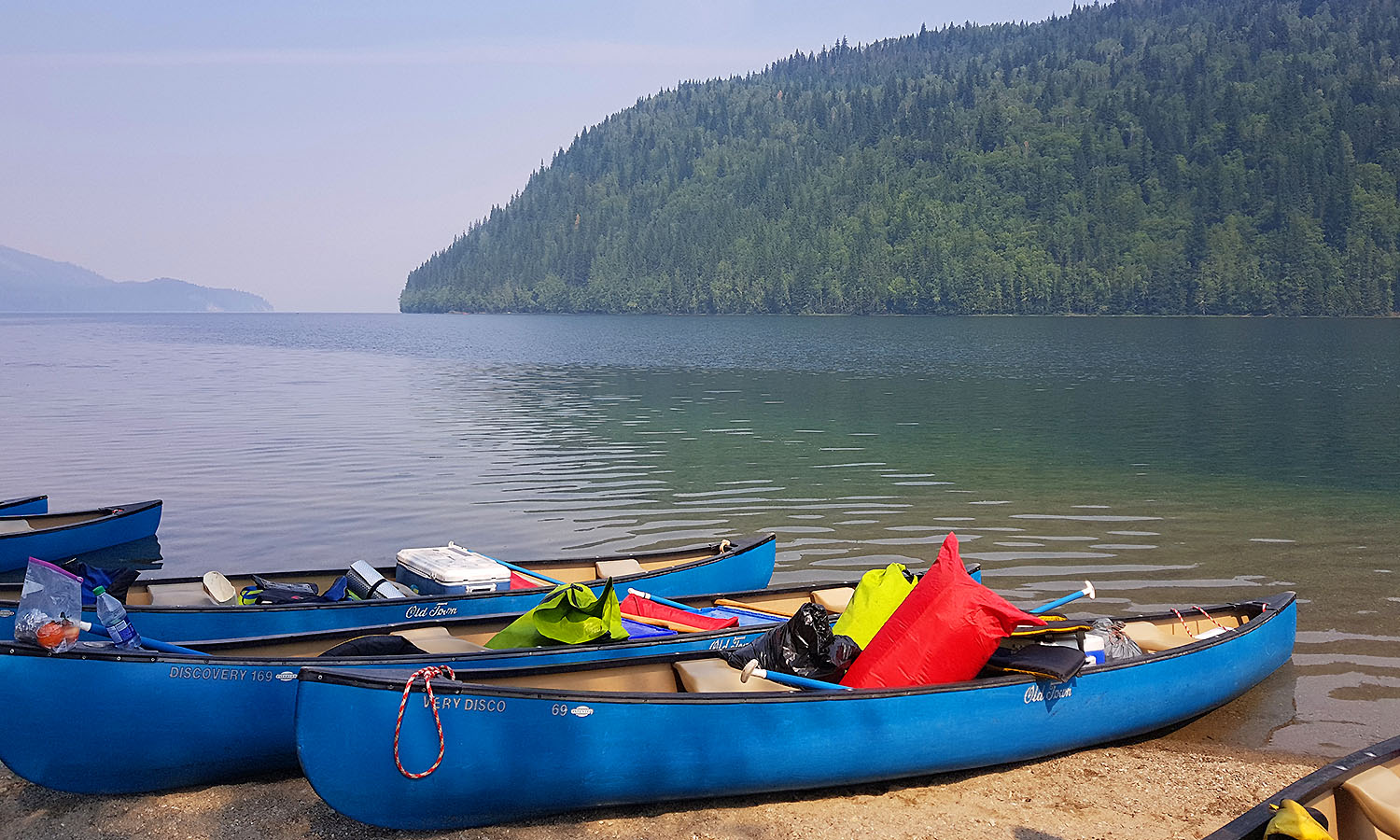
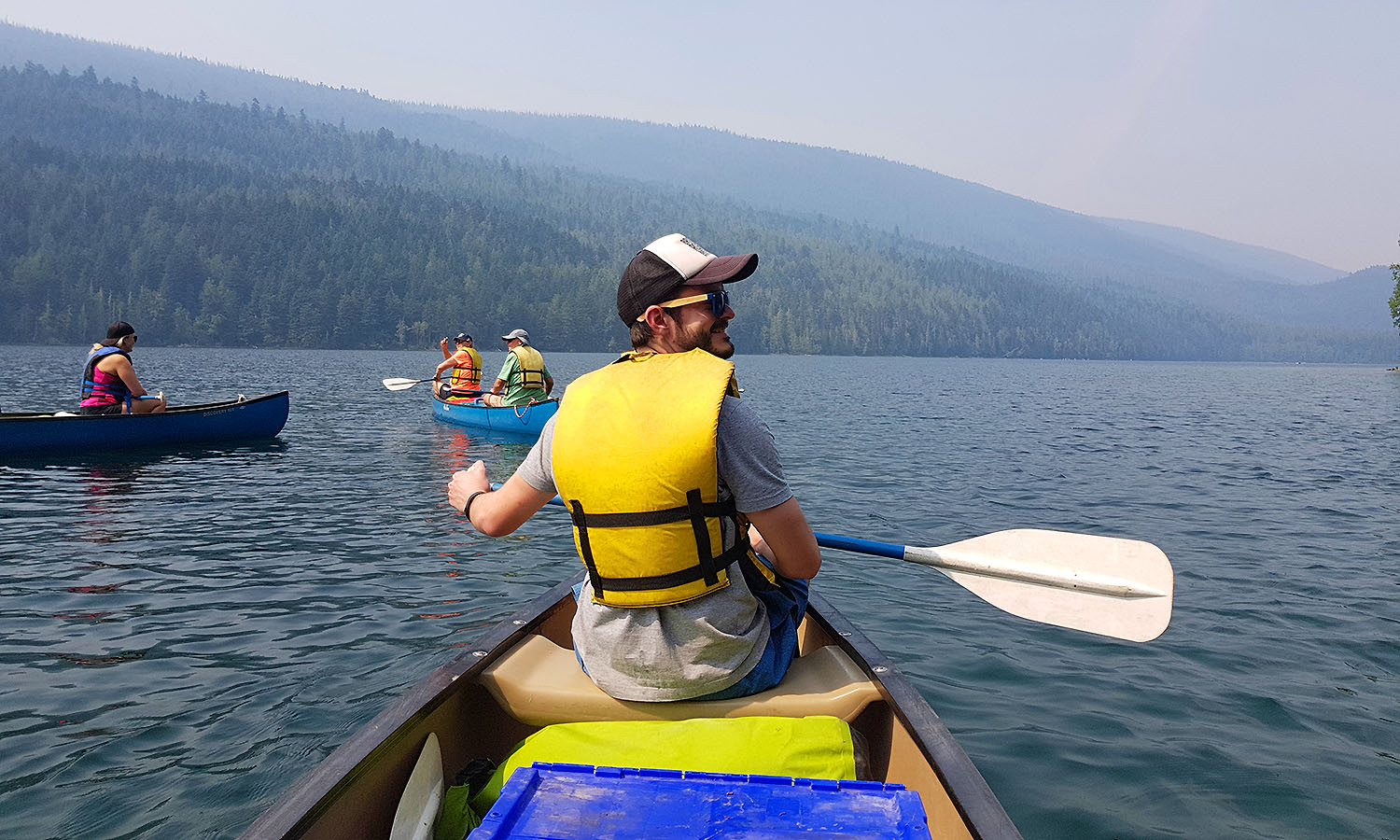
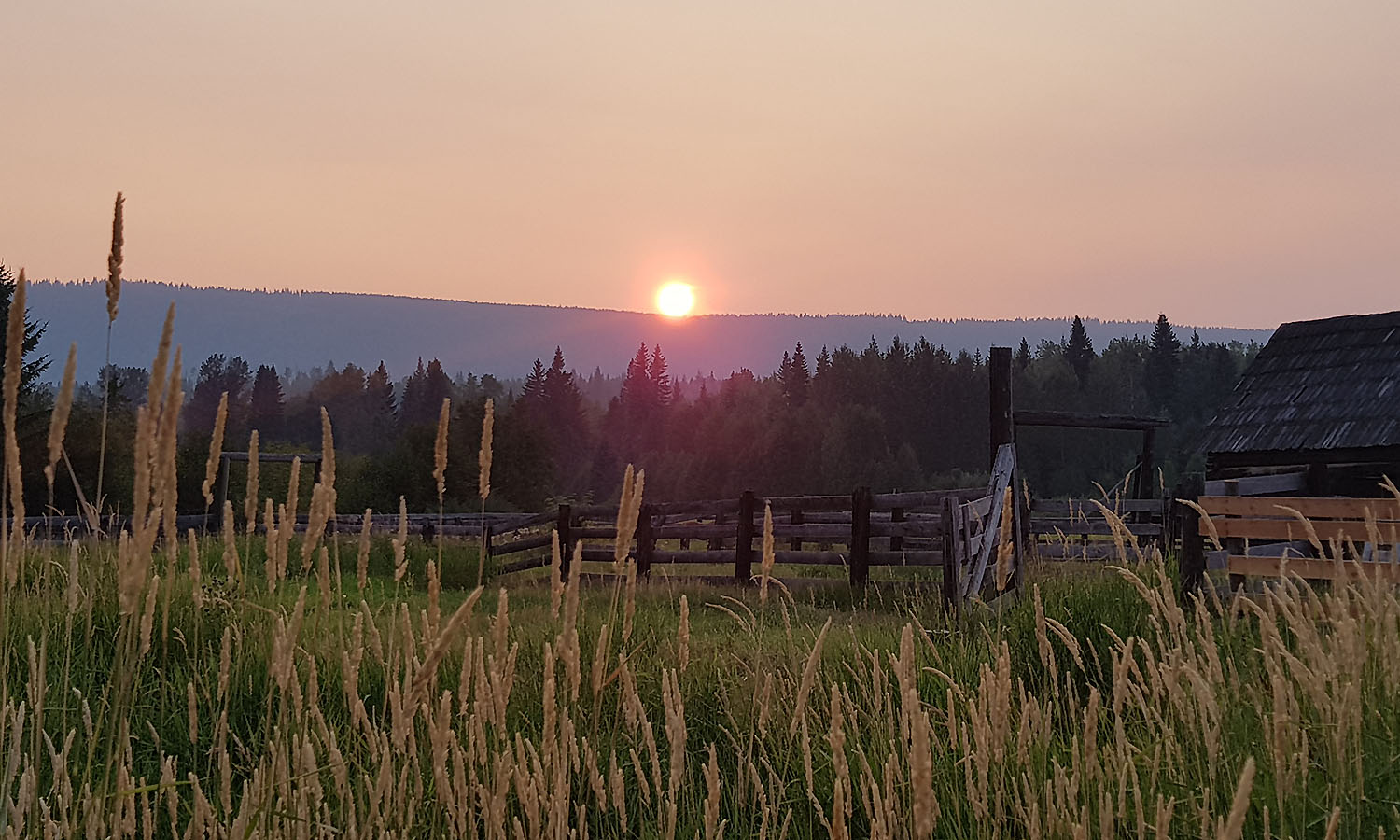
While you’ll get to hang out among the national park bigwigs like Banff and Glacier, Wells Gray Provincial Park in Canada’s British Columbia region is somewhat of an underrated treasure, which makes canoeing along Clearwater Lake in the park’s eastern reaches that much sweeter. Wend along the winding roads into the depths of Wells Gray until you arrive at Clearwater Lake. Here you’ll pack your camping equipment into the canoes before they’re launched into the aptly-named lake (on a sunny day you can see just how clear and pure the water is, so be sure to fill your water bottle along the way). After some instruction from your canoeing guides, you’ll clamber into your vessel as push off along the glassy surface, moving deeper in the serenity with each stroke. The paddle takes between two and a half to four hours, leading you to the sandy beach where you’ll set up camp for the night.
Once you’re set up, spend some time splashing about in the water or exploring the forested surrounds before cooking dinner. The campsite is a little more basic; there’s tables, fire-pits and tent sites, but only pit toilets and no showers. This will all pale in comparison to your surrounds though, as the stunning location more than makes up for the lack of facilities.
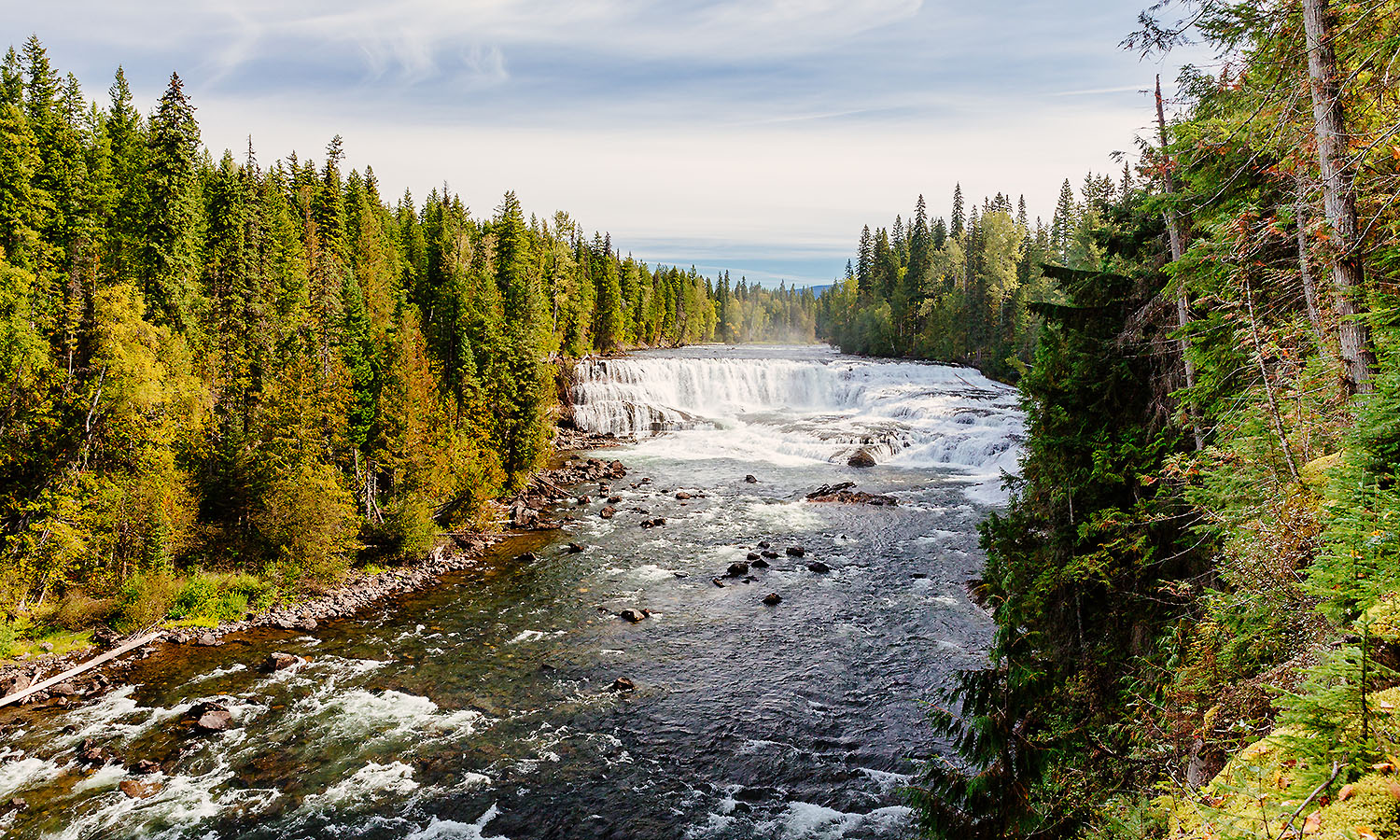
Wake up lakeside bright and early the next day – there’ll be time to enjoy a short hike from the campsite or, if you’d rather spend the morning being still, chill by the lake while you tuck in to breakfast. Soon enough it’ll be time to paddle back to the starting point, with a stop at another beach for a picnic lunch and exploring some waterfalls along the way.
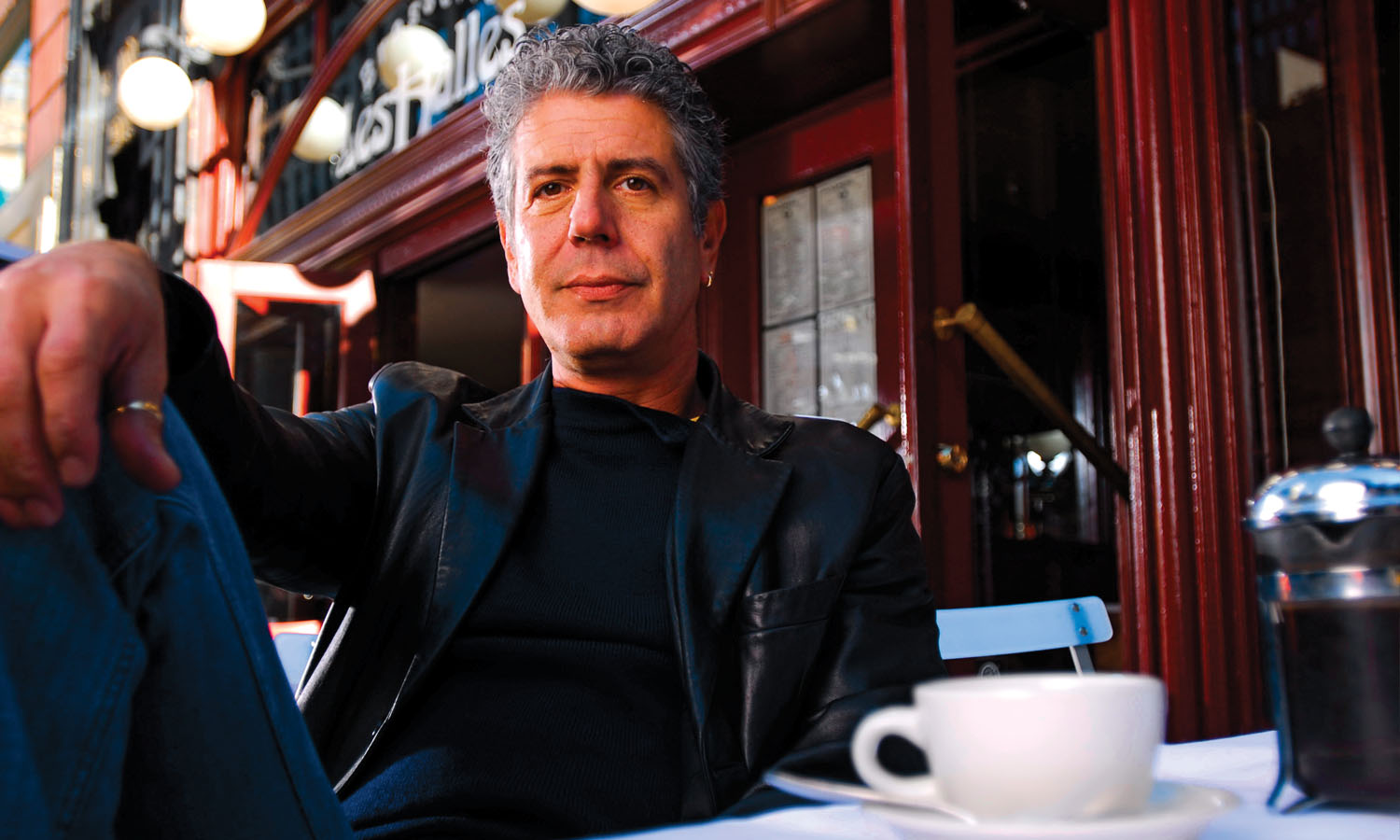
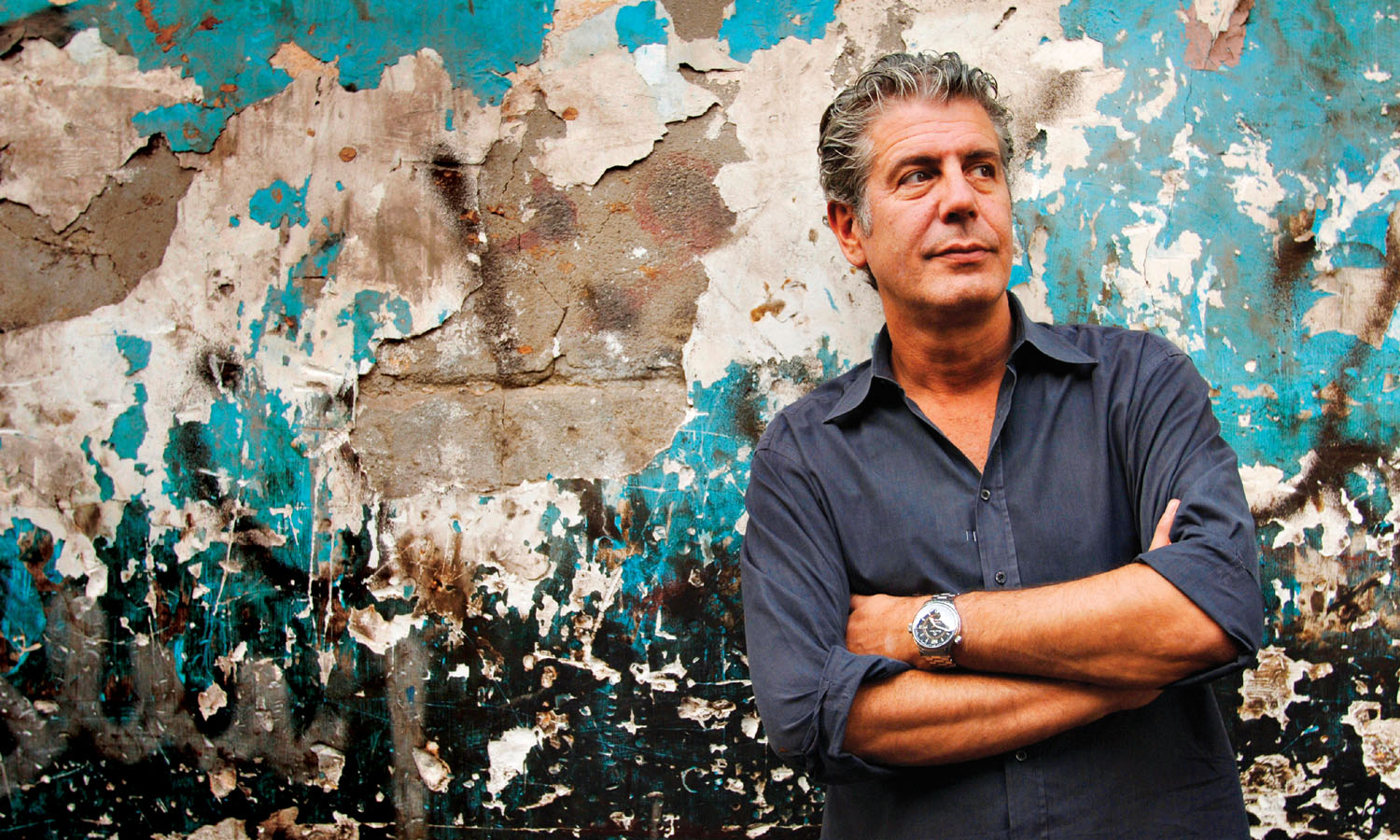
Intrepid travel and food writer, presenter and erstwhile chef, Anthony Bourdain is a man who speaks his mind and knows what he’s talking about. He’s eaten the greatest and goriest of cuisine the world can offer – from endangered species such as ortolan (a rare French bird) at a grotesquely decadent and secret New York gathering, to barely seared wild boar’s anus with the Bushmen of Namibia.
He’s been run out of Romania, and he’s escaped from the sudden hell of late-2006 Beirut, only to get nominated for an Emmy award for the resultant episode of No Reservations, his genre-redefining travel series that’s just hit its hundredth episode and won an Emmy in 2009. He travels ten months a year and keeps notes all the while, scribbling his thoughts at the end of each day. Between shooting in Spain and holidaying with his wife and daughter in northern Italy, he took time out to chat one evening, from his Manhattan apartment.He’s been run out of Romania, and he’s escaped from the sudden hell of late-2006 Beirut, only to get nominated for an Emmy award for the resultant episode of No Reservations, his genre-redefining travel series that’s just hit its hundredth episode and won an Emmy in 2009. He travels ten months a year and keeps notes all the while, scribbling his thoughts at the end of each day. Between shooting in Spain and holidaying with his wife and daughter in northern Italy, he took time out to chat one evening, from his Manhattan apartment.
Q: You were pretty sick in Liberia recently – what managed to affect your iron-clad stomach?
A: Honestly, I don’t really know…my suspect is a large snail, but then I’d just been out in the bush and the hygiene was not so great. I was eating bushmeat – it really could have been anything. You spin the wheel enough times and eventually you lose. And I was really, really ill.
Q: From reading your blog, it seems it was a moving trip for you. How would you describe it?
A: It was hard for me. I was very aware of the fact that there have been a lot of westerners there, working for 15, 25 years, for whom my complaining would sound pretty ridiculous. I just found it a very confusing place. I don’t know – it was impossible for me to come to any comfortable conclusions, I guess. I’m always trying to come to terms with a place. And this time, now, I really came away just thrown and confused by the place. And not, not…and very shaken, as far as trying to figure out…there were no moral absolutes, there was no comfortable sort of angle or hook, just a lot of things that made me feel inspired, and a lot of things that really, sort of broke my heart. And I didn’t know how to feel about any of them. I felt inadequate to the task of making television in Liberia.
Q: How do you feel about Beirut?
A: Fantastic. The first time I went, I arrived at the airport, and I felt very comfortable there, right away. I don’t know what it is. It’s just a place I really care about. And for all the problems there – and there are many – and for all of the complications; it’s also for me a very hopeful one, and a very beautiful one, and one that makes me feel good about the world.
Q: What does Lebanese cuisine say about Lebanon?
A: Well, it’s a very international cuisine. They eat everything. Everyone’s been through, and left their mark. And they take a lot of pleasure in their food. I mean there’s Armenian, Iraqi, Palestinian, Yemeni, from the Gulf state, Indian influences, Ottoman, French – so it’s always been a very international city and it had stayed true to its Arab roots, but at the same time, picked up a lot of influences along the way.
Q: What’s your favourite Lebanese dish?
A: Oh, I’ll tell you, I had a kibbe there recently. It was absolutely out of sight. Absolutely incredible; delicate; the bulghur wheat, and just you know, a little bit of seasoning, it was just, so great.
Q: Do you have any foodie tips for travellers to Beirut?
A: Certainly, the green market is very good; it’s a good place to start, it’s called Souk el Tayeb [www.soukeltayeb.com]. It’s a relatively new thing, a green market serving seasonal produce and products from all over Lebanon. Artisanal produces have been specifically chosen and recruited because they come from different areas and different backgrounds and there’s a restaurant associated with the green market that’s really quite interesting, serving very, very high-quality stuff. Serving different regional cooks, from a different area, each day. And that’s quite wonderful. And then, of course, there’s a very famous restaurant, a casual eatery called Le Chef [Gouraud Street, Gemayze, Beirut, +961 1 446769] that everyone in town knows.
Q: You had a rough time filming in Romania and your honesty offended a lot of people. What happened?
A: I’m public enemy number one there, after my show. It really was front-page news in Romania for a while. I received quite a lot of threatening emails after that show. A lot of the Romanian press were accusing me of being either KGB or Mossad on a mission to bring dishonour to Romania; to foment war with their historic enemies, the Magyars. We had Romanian security and tourism forces all over us [while filming] – making sure we didn’t shoot any dogs, or Gypsies.
Q: Or Gypsies?
A: Oh, no, they didn’t want us shooting any Roma people at all. They were adamant about that. They didn’t want them seen.
Q: New York’s your stomping ground – what are your top tips for travellers?
A: Before you come to New York, ask yourself, what do we do better here than anyone else in the world? And the answer is quite simple – deli. So the first thing you’d want to do, is go to Katz’s deli [www.katzdeli.com] for a pastrami sandwich. And then go to Russ and Daughters [www.russanddaughters.com] just down the street and order a bagel with smoked Nova Scotia salmon and some cream cheese. Beautiful thing.
Q: When are you coming back to Australia?
A: Next year. There’s either a food and wine festival, or a Sydney book fair. I know I’ve cleared some time in June to come out. Hopefully I’ll have some time to do my business, and also see some friends.
Q: So do you travel to live, or live to travel?
A: It’s what I do. I know that if I go on too long without doing it, I start to feel unsatisfied. It’s just – life is short, keep moving.
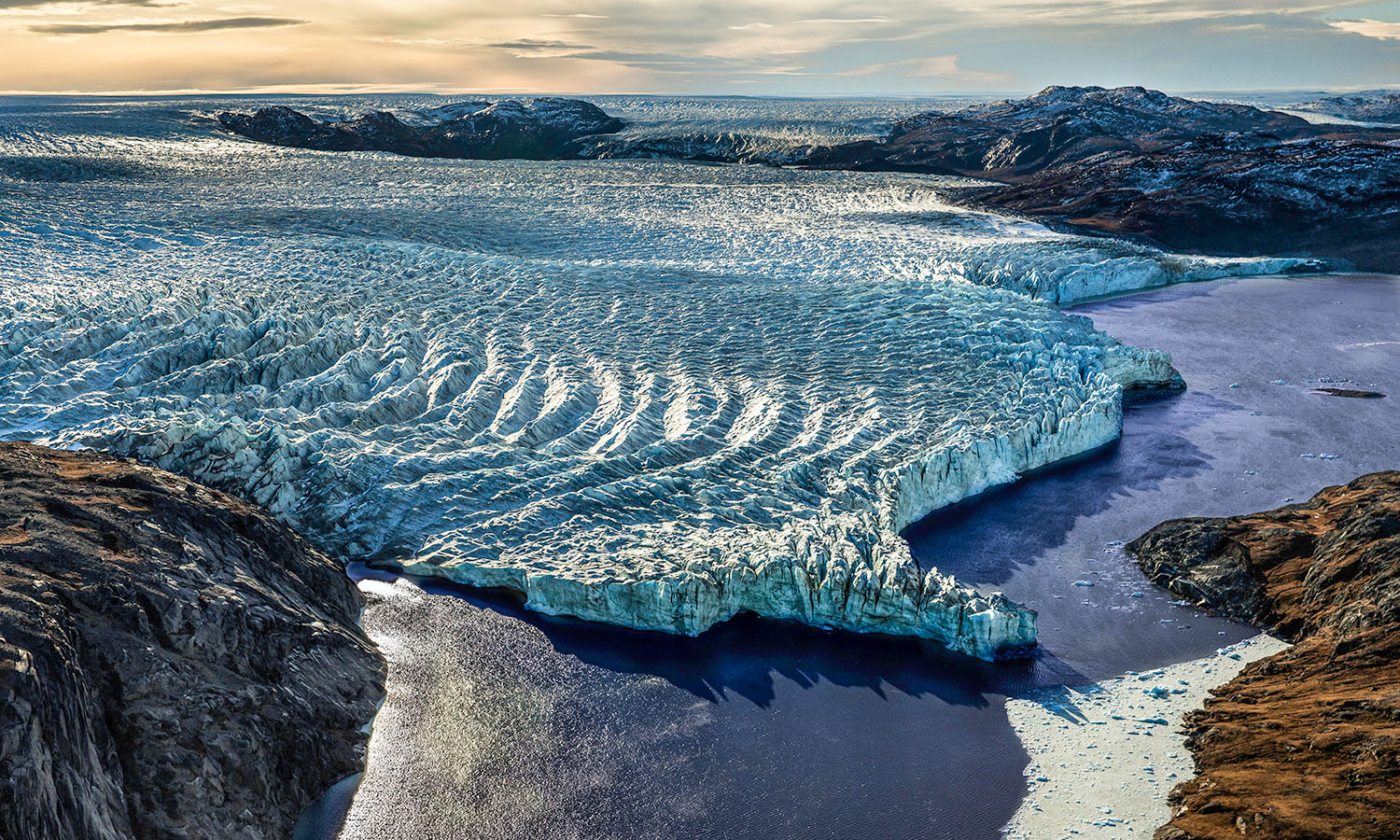
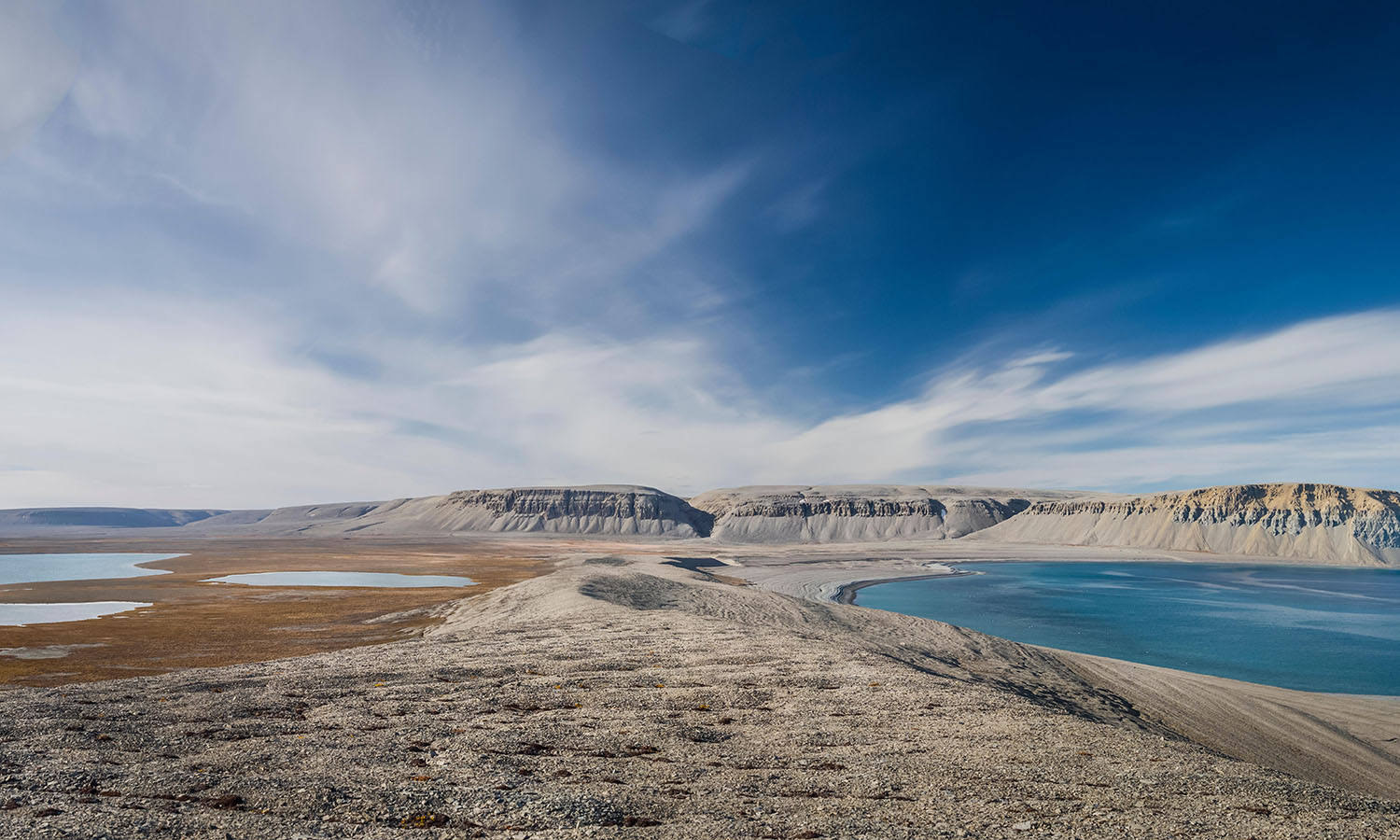
Connecting the Pacific and Atlantic Oceans through the Canadian Arctic, the Northwest Passage has become the stuff of legends. The fabled route, a holy grail for explorers, was once virtually impenetrable thanks to a thick year-round cover of sea ice. It did little to deter explorers, though. Records show that almost 40 expeditions have sailed these waters, either to explore this unknown territory or to find the sea route to Asia, since the late fifteenth century (the first recorded attempt was by John Cabot in 1497, and the most famous (and failed) one was by James Cook in 1776). Even today, with improved conditions, crossing the Passage calls for enormous skill and the best equipment. And Hurtigruten’s The Northwest Passage – In the Wake of Great Explorers expedition, complete with state-of-the-art vessel, offers you the opportunity to sail in the wake of the great explorers of the past.
This is a journey for hardy explorers who seek an adventure unlike anything else. Being at the top of the world means sailing where the ice allows and you’ll gain some insight into what Norwegian explorer Roald Amundsen, the first person to successfully conquer the Northwest Passage between 1903 to 1906, felt and experienced – both in the unforgettable sights and challenging waters – to cross the passage. No matter where you sail or what you see, a journey aboard a Hurtigruten vessel is a safe and thrilling expedition (and unlike Amundsens’s expedition on Gjoa, a converted herring boat, a vastly more comfortable one)
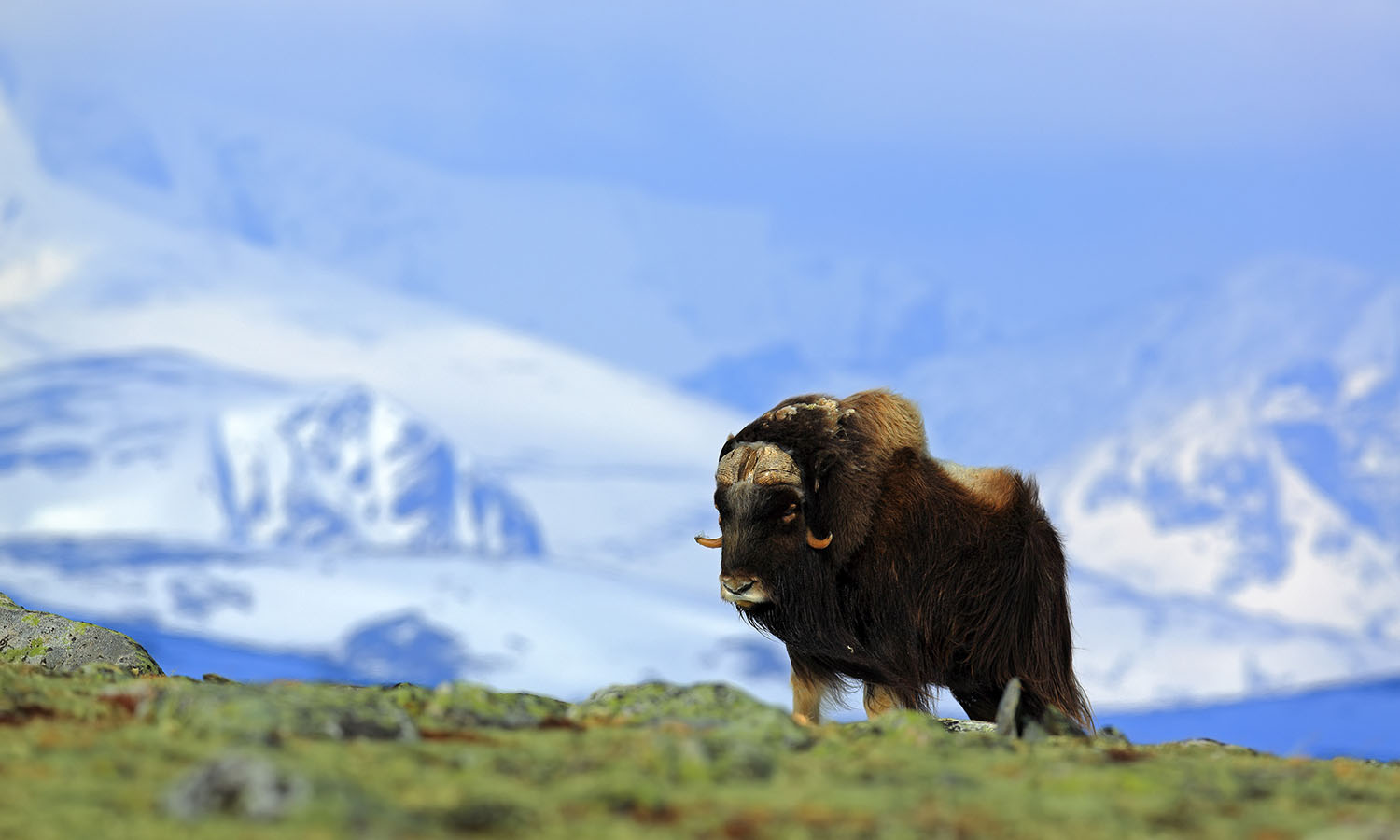
The highlights of this 19-day expedition include visiting some of the world’s northernmost communities, exploring legendary inlets and channels and partaking in exciting small boat cruises and landings. Heading east across Davis Strait, you will reach Greenland and have the chance to discover some of the Greenlandic Inuit settlements and the UNESCO World Heritage site Ilulissat Icefjord, before the expedition ends in Kangerlussuaq.
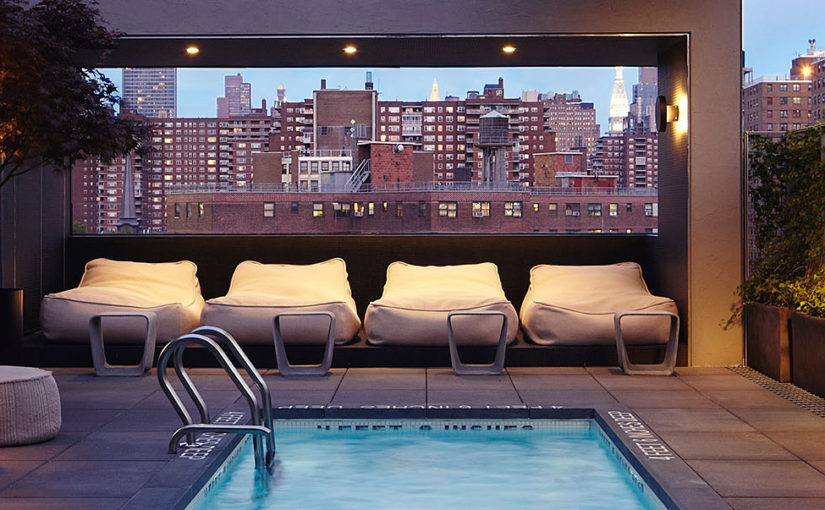
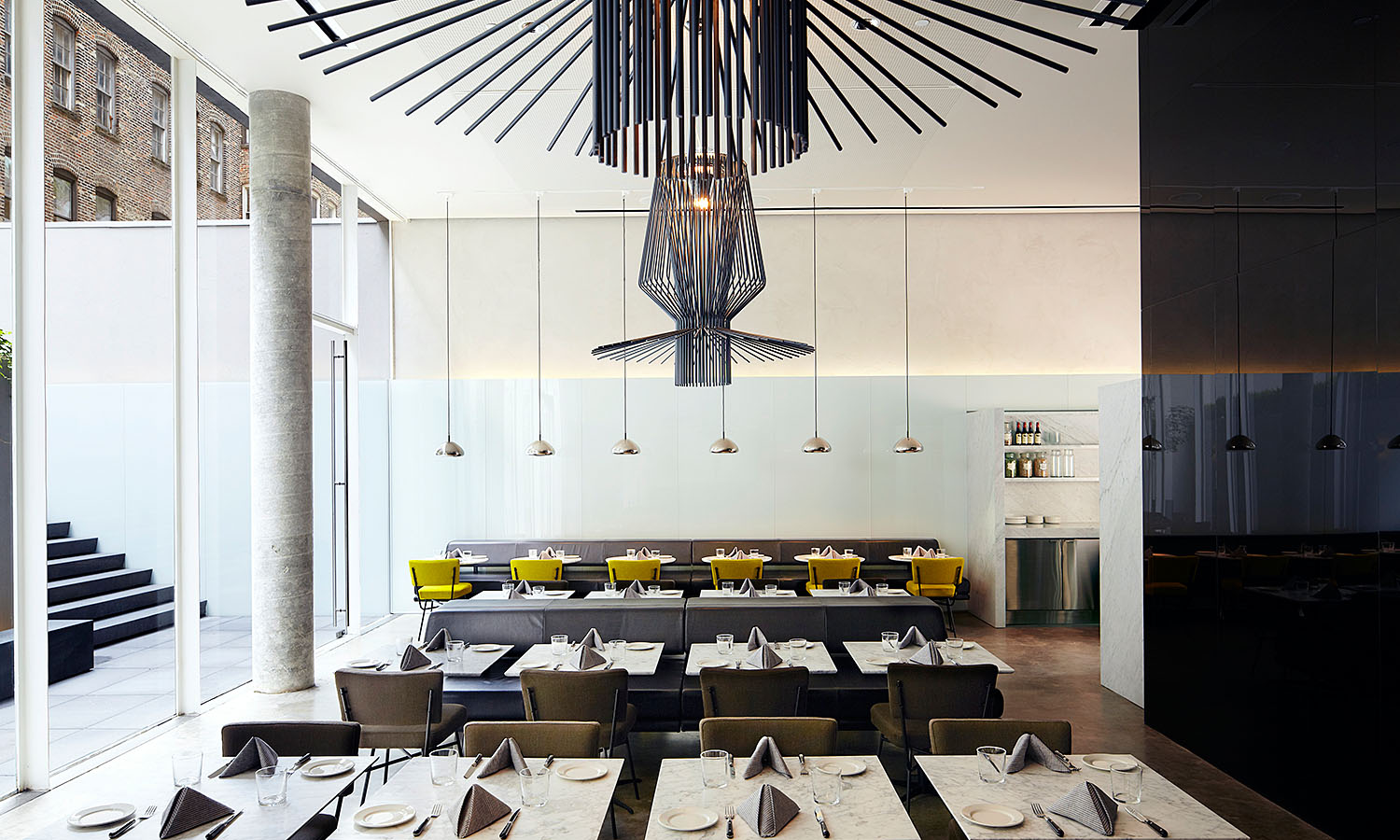
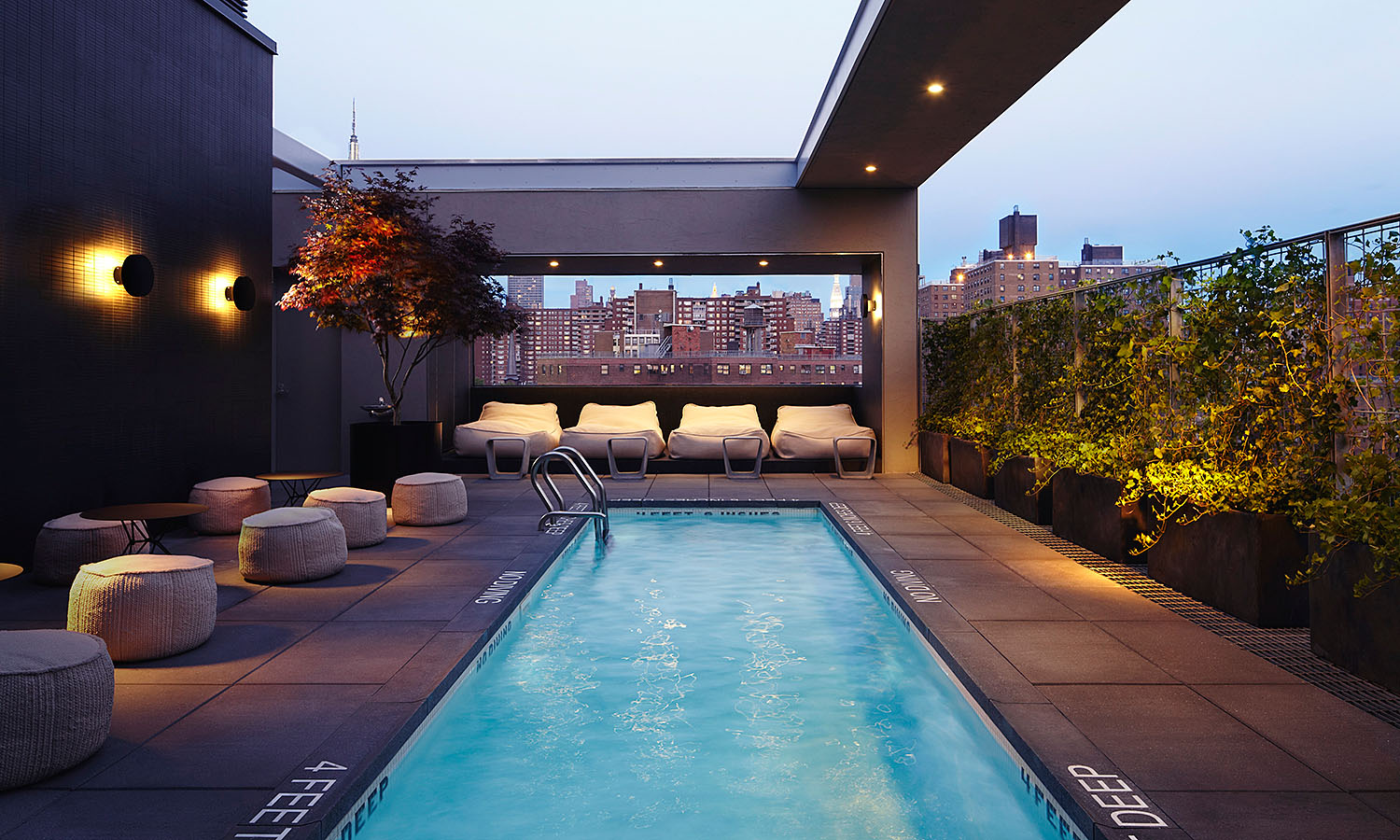
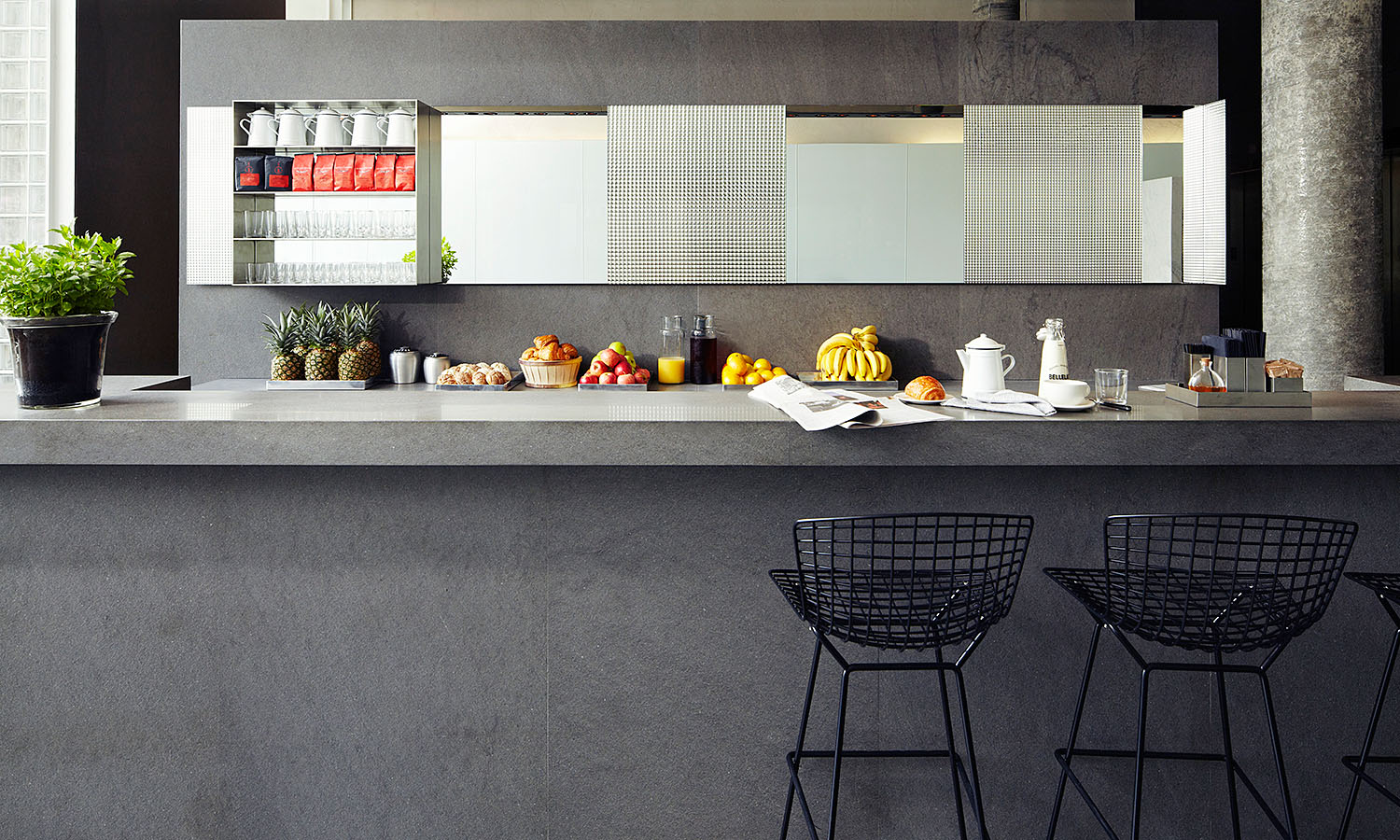
With its blend of Manhattan modernism and Japanese ryokan-style rooms, curated by an award-winning Mexican architect in a former multi-storey car park, Hotel Americano is a microcosm of New York’s vast diversity. Situated next to the showstopping High Line and Chelsea’s gallery district, there’s plenty to keep you in the ’hood, though the guest bicycles can carry you far beyond the borough’s borders.
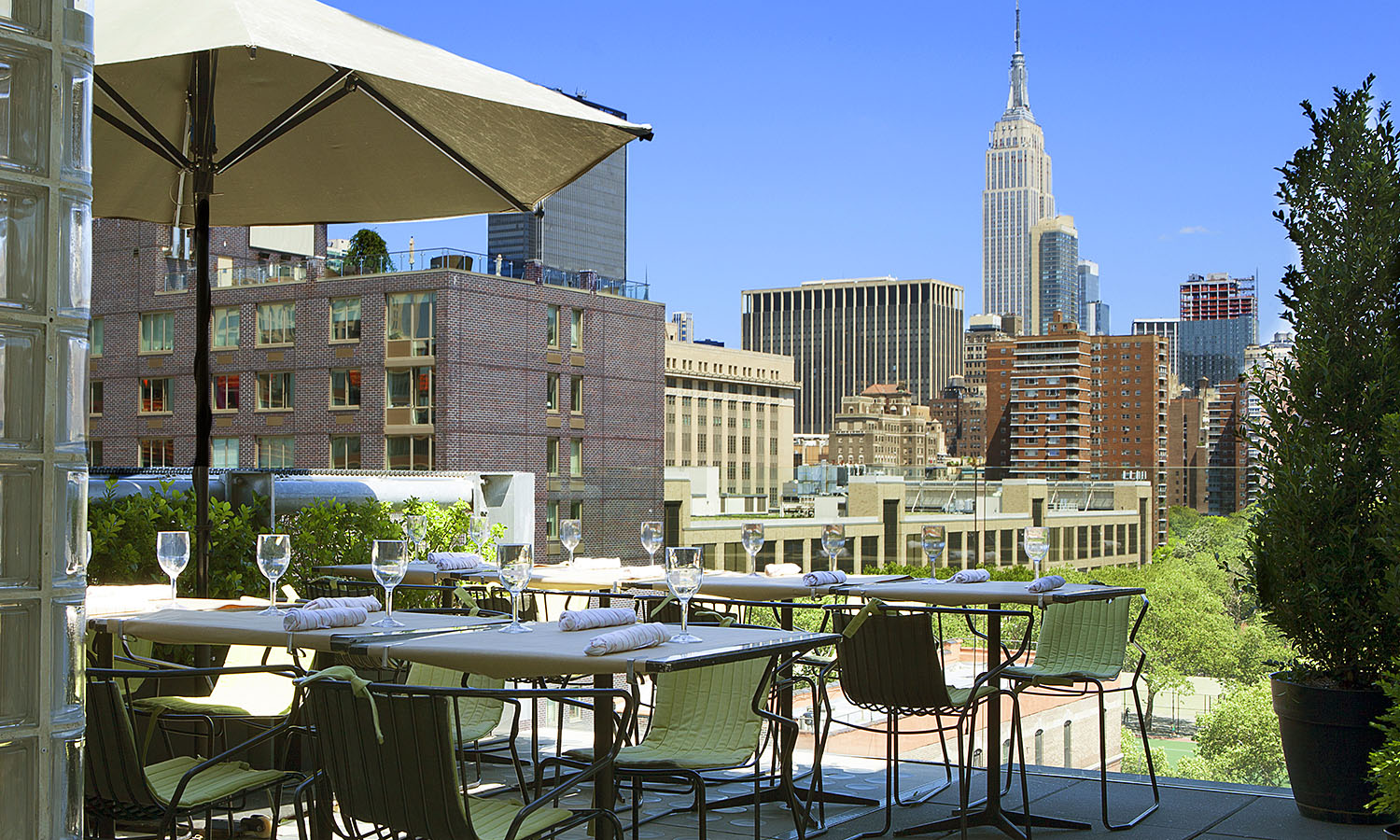
Come summer, dip your toes into the rooftop pool, and by winter admire the city’s frosted streets from the very same spot transformed into a concept restaurant. Rooms feature internationally crafted delights, including Japanese washcloths, handmade Mexican bathrobes and alpaca throw rugs. Take your frappuccino to go from the lobby coffee shop and you’ll feel like a local in a New York minute.
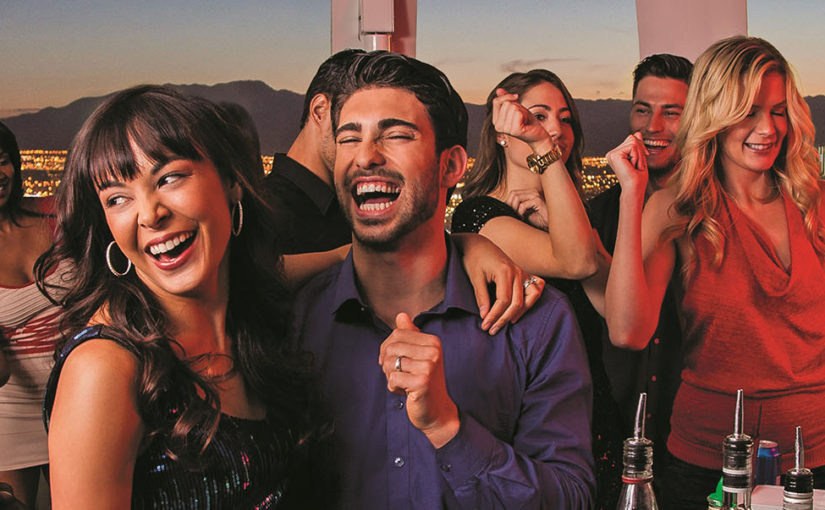
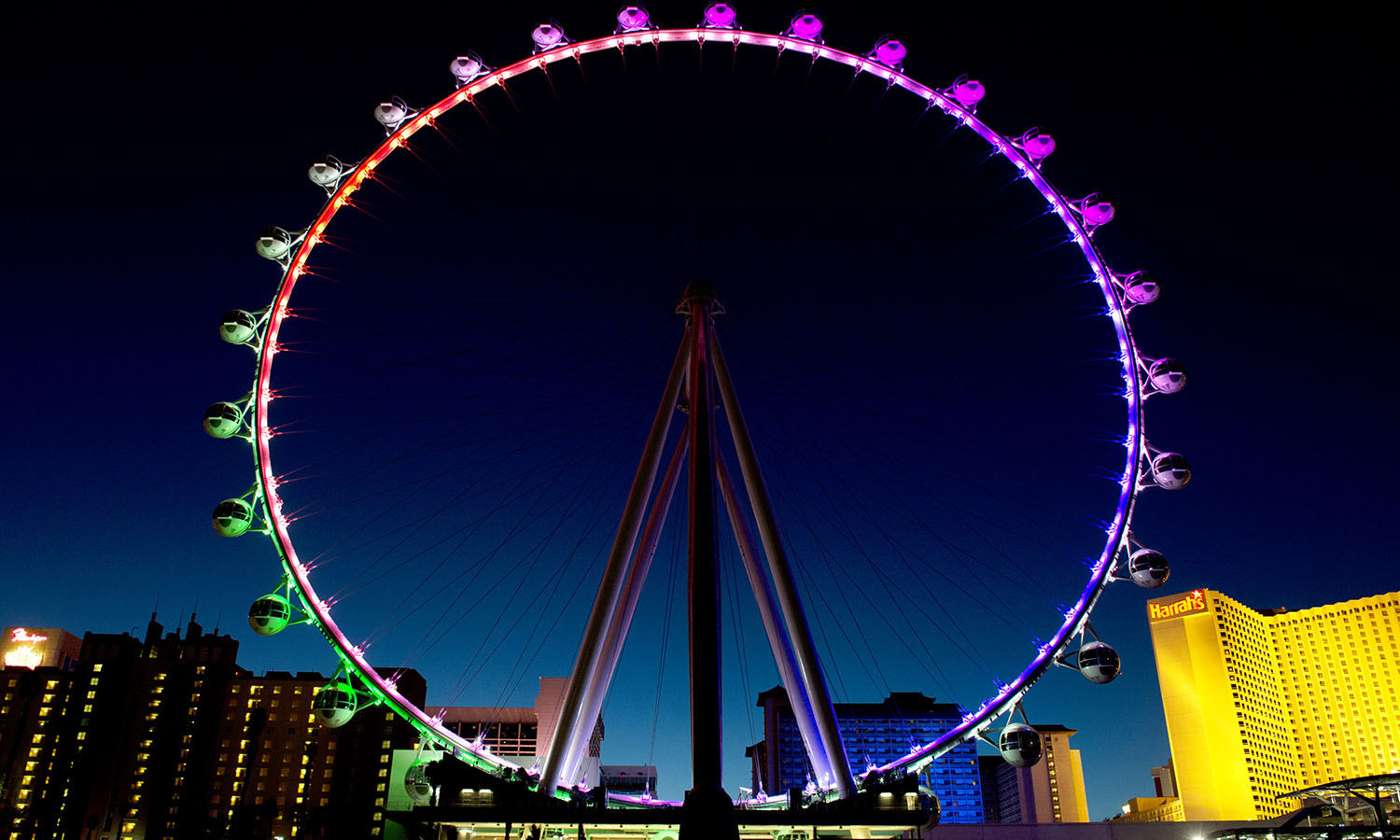
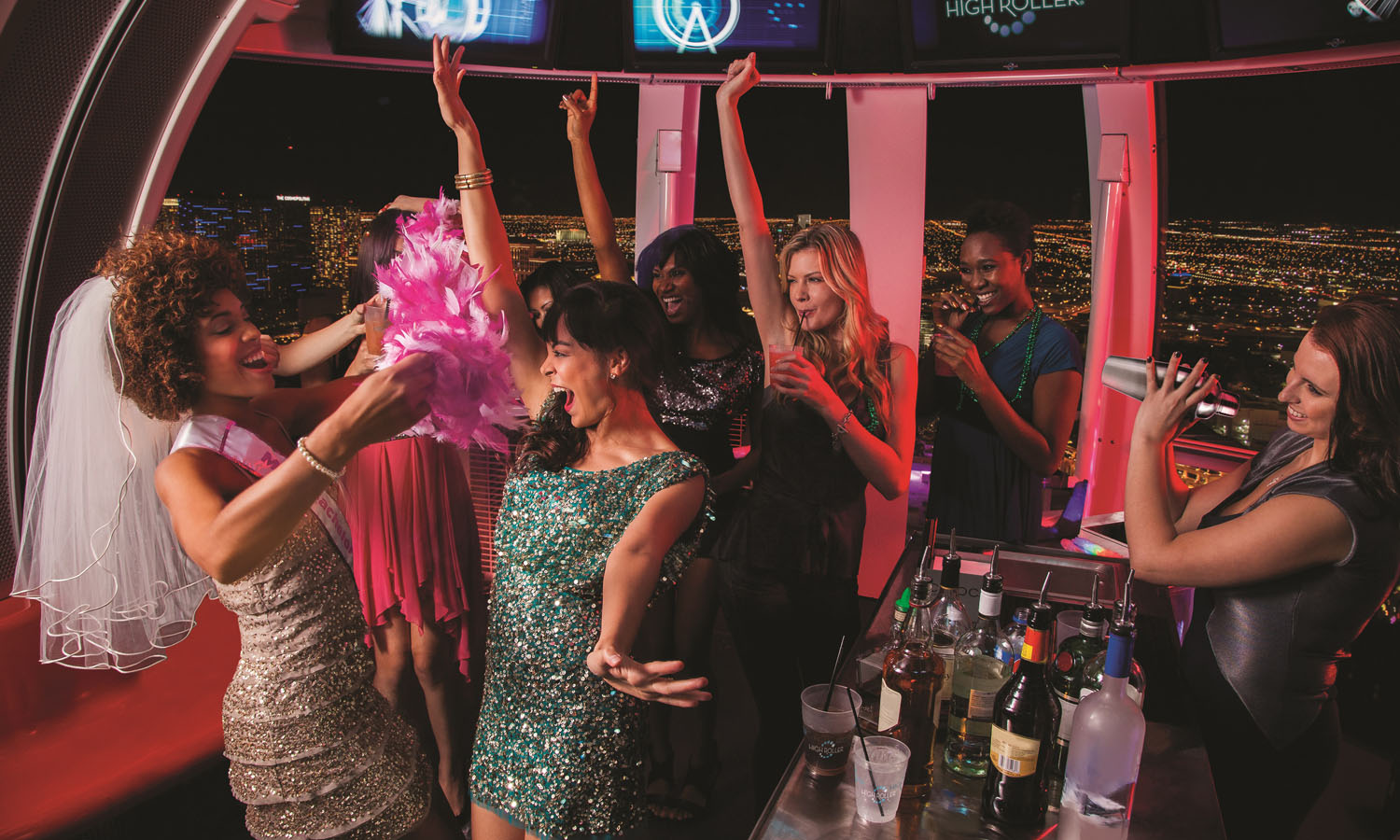
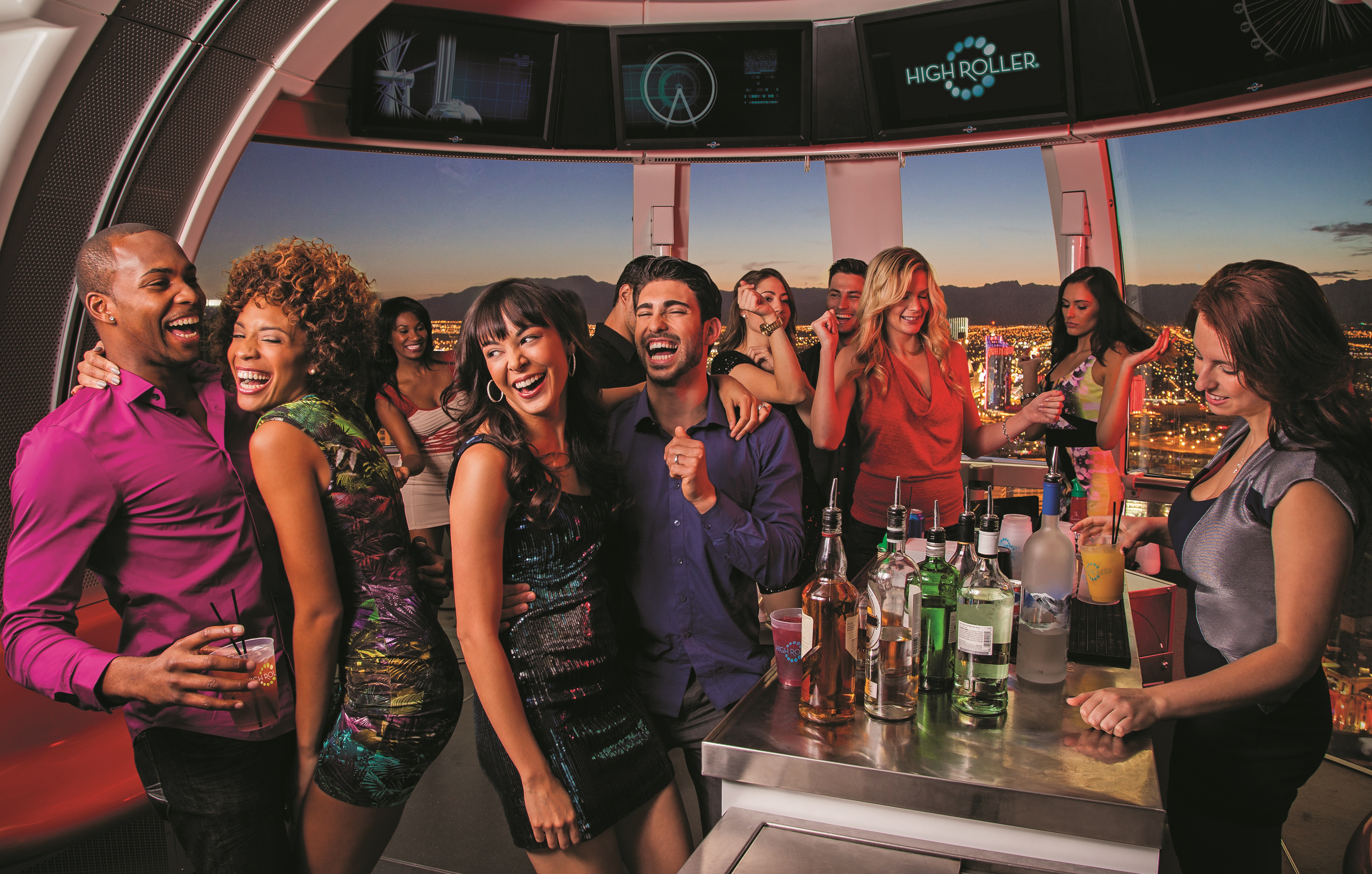
The High Roller Observation Wheel is a – dare we say it – revolutionary experience, providing 360 degree views from 170 metres above LINQ’s shopping, dining and entertainment promenade in the heart of Las Vegas. Kick off a night on the town with Happy Half Hour, with an open bar and a private bartender for up to 25 guests.
Belt out your favourite tunes via the karaoke option or just bask in the dazzling lights of the Strip far below. For chocoholics there’s the Ethel M Chocolate tasting extravaganza, or elevate your mind with a bout of Yoga in the Sky.
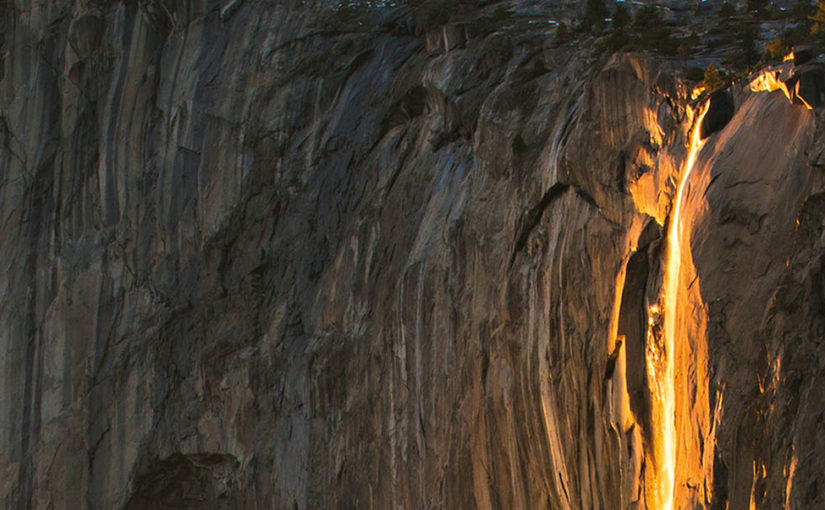
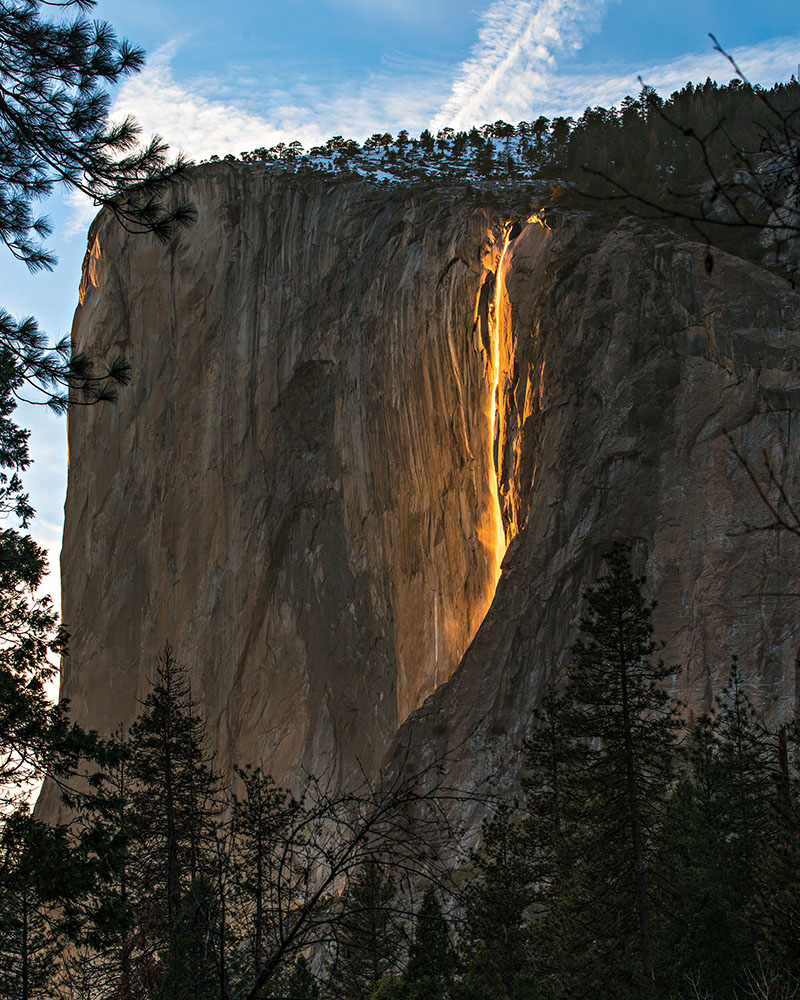
All four elements of ancient Greek astrology align at the sheer granite monolith of El Capitan, in Yosemite National Park. Water from melting snow and rain courses across the earth, tumbling into the air as it reaches the edge, where it transforms into a blazing stream of fire. Or so it appears.
For just a few minutes a day over a couple of weeks during February, rays from the sinking sun catch on the seasonal Horsetail Fall, sending a dazzling gold thread plunging more than 450 metres into the valley below. Pack a Thermos, pull on gloves and a woolly hat and make for the picnic area, which offers the best views of the falls. You won’t be alone – shutterbugs have been flowing here since National Geographic photographer Galen Rowell snapped the phenomenon back in 1973.
I don’t want to go. It isn’t that I’m not intrigued. As a wholehearted aficionado of all things Halloween, I have envisioned myself among the madness in the Castro hundreds of times, wearing some absurd costume, trying on a different life for a night.
No, it’s because I’ve heard Halloween in the Castro just isn’t the same any more. After a string of annual violence that culminated in a 2006 shooting, the city of San Francisco aggressively moved to put an end to the famous 60-year-old holiday festival. Tonight the police are reported to be ready for a full-scale riot along Castro Street, so I’m not exactly feeling the free-spirited enthusiasm I once had for the event. Besides, Halloween is alive and well and running rampant right outside my hotel in Fillmore, even though the late October sun is still sitting high over the Golden City.
But downstairs, as I walk through the hotel lobby to get a closer look at the madness that’s simmering out on the street, I’m stopped by some fellow travellers who are jonesing to get over to the real celebration.
“What do you mean you’re not interested?” they ask incredulously. “It’s Halloween. In the Castro.”
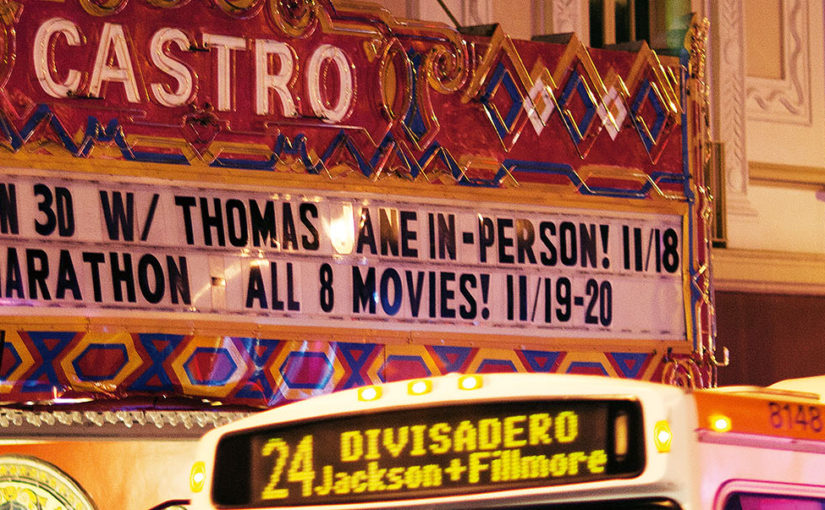
What can I say? They’re right. Every keen traveller in San Francisco during Halloween knows that a trip to the Castro is a box ripe for the ticking. Before I know it, I’m with the pack on the 24 bus, heading southwest through the city’s rolling, vibrating streets. Not far off, a fog-laden dusk seeps in, as if the gods have just cranked on the smoke machine for the night’s main act.
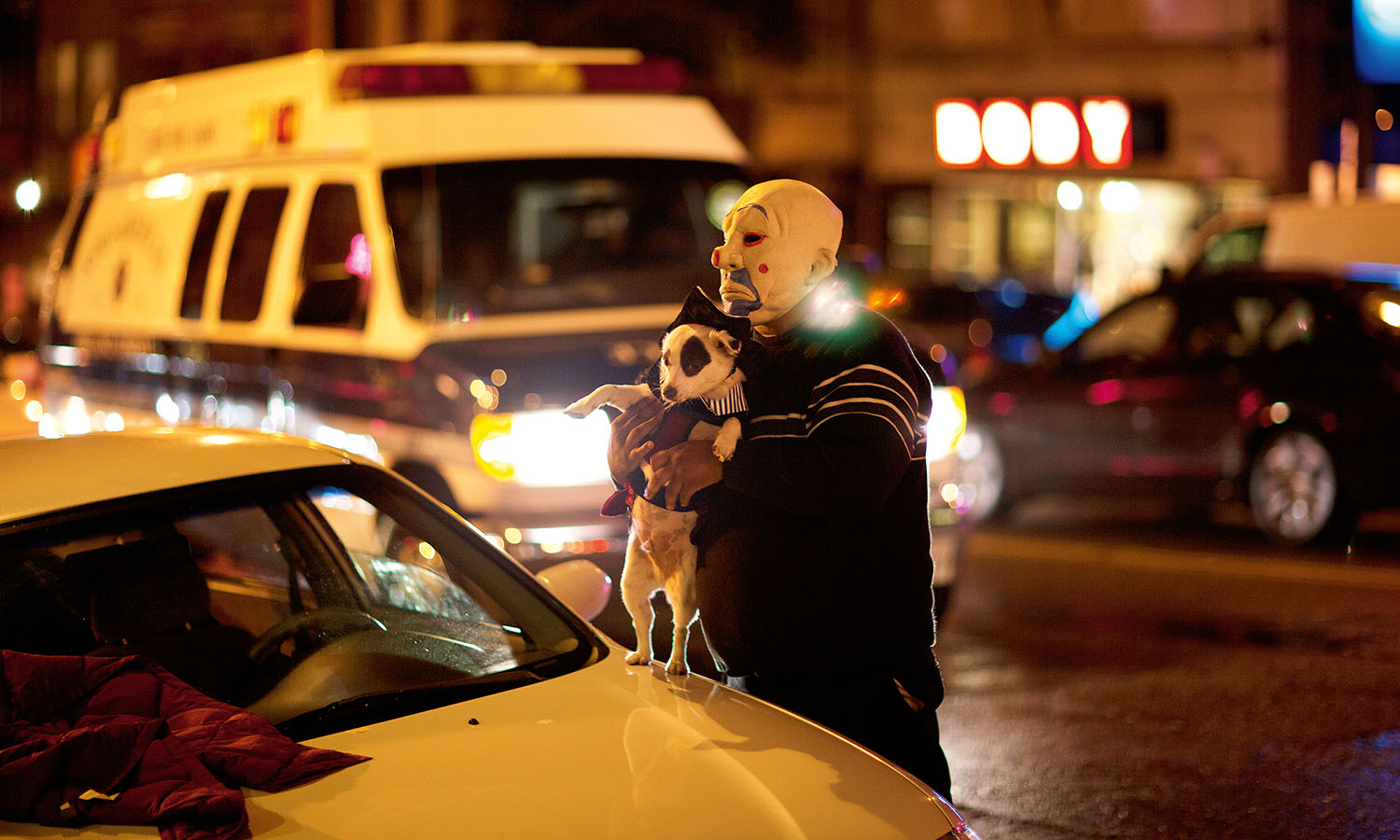
The blocks fade as the bus ascends to some of the highest points in the city. Throngs of mini-skirted she-devils, bloody vampires, naughty schoolgirls and drunken Jack Sparrows filter on and off, all caught up in their adopted caricatures and evening itineraries.
At Golden Gate Avenue I look east between the legions of pastel Victorians and catch a glimpse of the Financial District’s glass and concrete fingers rising up from the banks of an inky San Francisco Bay. Dipping down again for a moment we pass Haight Street and I can only imagine the characters amassing a few blocks up at Ashbury. But throughout this entertaining, alcohol-fuelled procession, I’m only getting excited for what lies ahead – this, I hope, is nothing compared to that.
You don’t begin your first Castro experience from anywhere else but at 17th and Market, exactly where we step off the bus. Standing at Harvey Milk Plaza beneath the lazily swaying rainbow pride flag, I finally get a glimpse of the mythical, maniacal Halloween celebration.
At its zenith in the early 2000s, Halloween in the Castro was a festival teasing the fringes of absolute chaos. Although the famed event began in the 1940s as a modest neighbourhood costume party, by the 1970s it had become Mecca for the LGBTQIA+ community worldwide. Crowd numbers soared into the hundreds of thousands. But by the time things came to a head in 2006, the crowd of some 300,000 revellers was an uninterrupted cross-section of humanity. Bay Area gangbangers bumped elbows with gay men wearing nothing but their birthday suits. So when gunfire rang out, leaving nine bystanders seriously wounded, city officials immediately called for drastic changes to the festival. In the years that followed, Castro Street was closed down, street performances were banned and police presence increased five-fold.
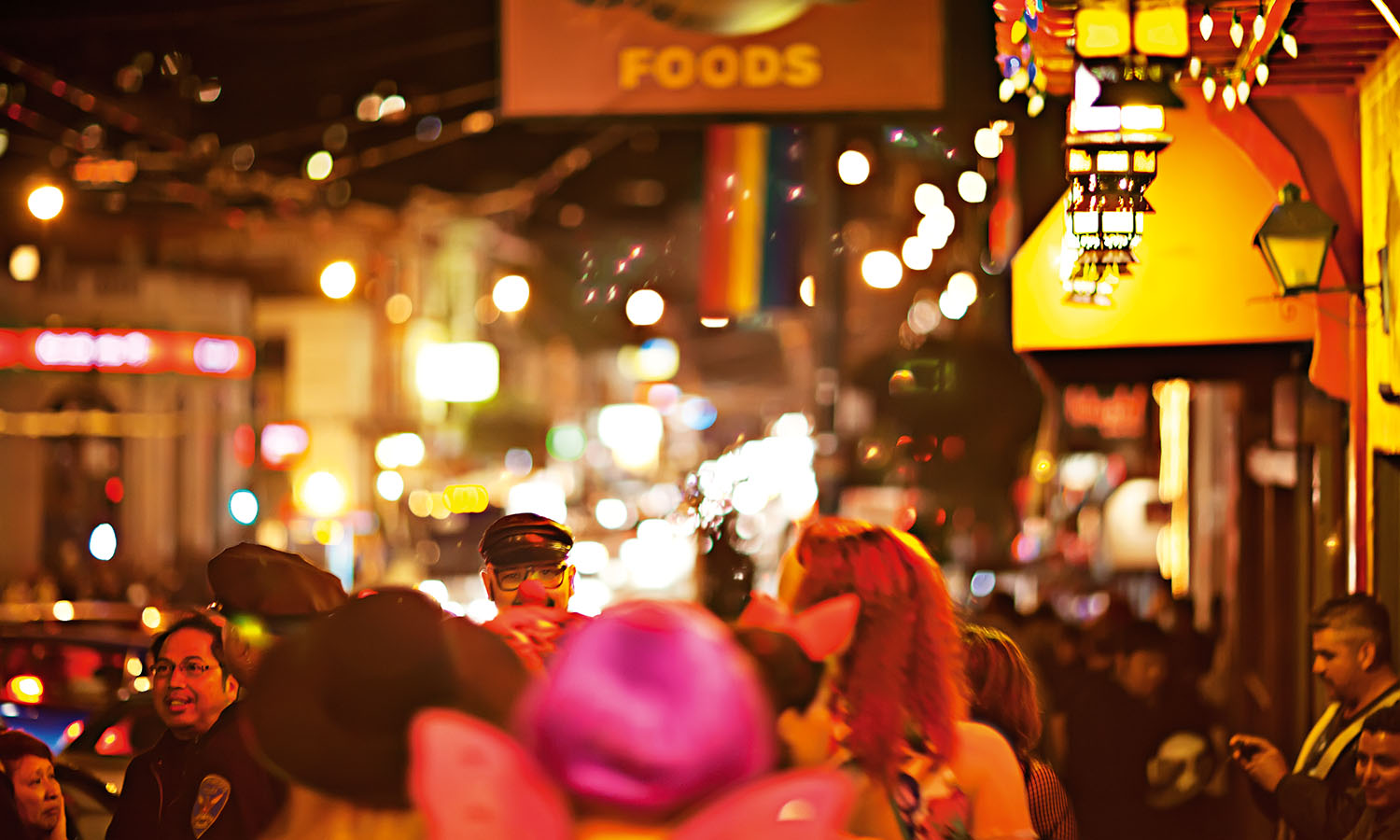
Despite some drastic changes, however, I can see the famed celebration has lost none of its lustre. Standing beneath the red neon glow of the Castro Theatre, it’s quite clear that, around these parts, the she-devil is considered a lazy pursuit, Jack Sparrow an indefensible cliché. No longer outnumbered by the thousands of uncostumed party crashers of years past, the Castro’s most flamboyant specimens float along, popping in and out of bars and swaggering as if the sidewalk were a fashion week catwalk. Like they originally were in the 1970s, these men and women – the heart and soul of the Castro – are once again the centre of attention.
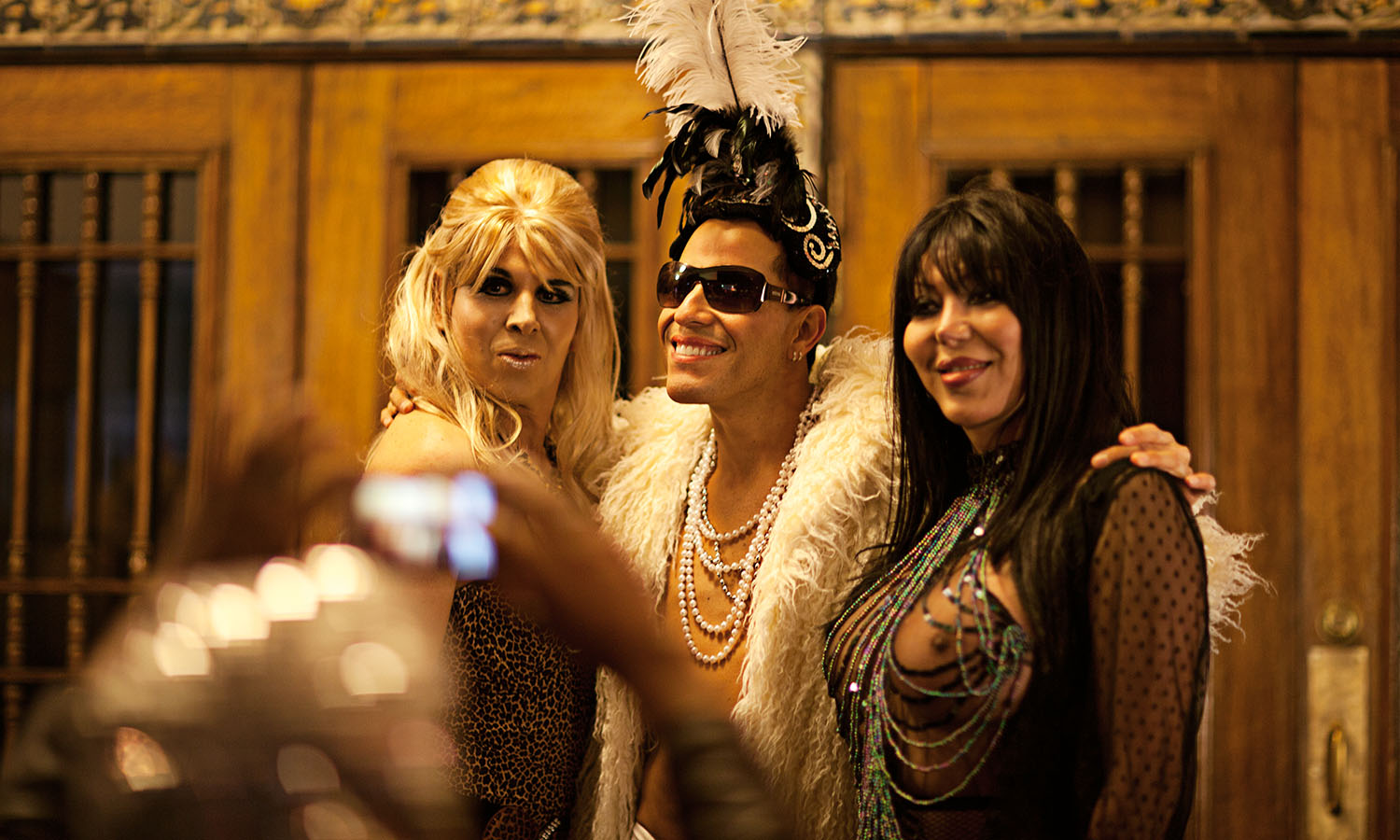
It is here, at the theatre, that I meet a flighty Art Deco drag queen shining with make-up and pearls that immediately make me sure this ain’t her first rodeo. “Darlin’, I haven’t missed Halloween in the Castro for six years!” she says to me as she bounces about, posing for passers-by’s cameras.
When I ask her what motivates her to keep dressing up so lavishly, she is predictably succinct. “It’s tradition!” she yelps, then falls into a lively conversation with a couple of other drag queens.
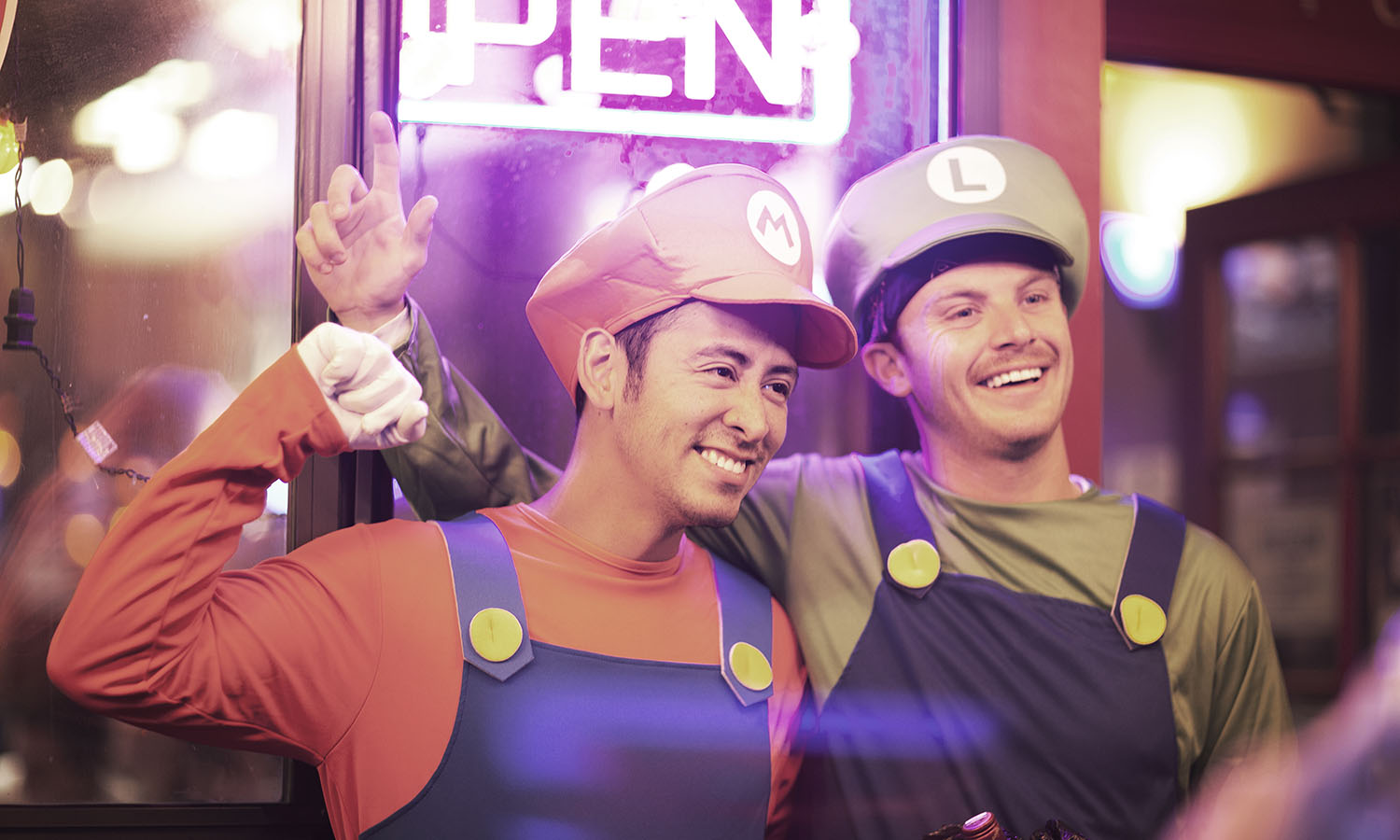
Soon we are consumed in the growing procession of more drag queens, sailors, priests, nuns, the Super Mario Bros and Carol from Where the Wild Things Are. The sidewalks reach maximum capacity and queues begin snaking from the many notorious bars and restaurants lining Castro Street. Things inside and out are heating up.
Near Cafe Mystique we run into a virtual wall of lively spectators. Camera flashes pop without pause as laughter and cheers drown out the sounds of celebration further along. I crane my neck above the sea of shoulders to see a pair of the Castro’s famous nudists casually chatting just the same as two co-workers would after a long day at the office. While I’ve seen my fair shake of costumes in my day, I have never witnessed this: the fabled birthday suit – the boldest of them all.
In a bizarre way, we all agree that our tour of Halloween in the Castro is complete. With the night well on its way to morning, and the neighbourhood bars the domain of only the colourful local residents, we hop on the 24 bus and head back to Fillmore, where the lure of live jazz is too much to pass up.
At close to 2am we are standing in the Sheba Piano Lounge. Along Fillmore Street, Halloween is still alive, though it’s the she-devils, schoolgirls, vampires and Jack Sparrows – rather than the drag queens – that reign supreme.
In the low-lit purple and pink tones of the lounge, patrons are busy talking about the sort of things folks talk about in the smallest hours of the night. Behind the bar, lounge owner Netsanet Alemayehu and another bartender turn out cocktails while holding multiple conversations all without missing a beat. I lean in and catch Alemayehu just before the stroke of two, when bars in San Francisco must legally cut off the booze. She obliges my last call and slides me a couple of red wines. With the amount of people still lingering about she reckons she’ll stay open until three. Despite working the closing shift more often than not, Alemayehu doesn’t look tired. Rather she looks like one of her own customers, smoothed by the daily musical therapy cascading from the house grand piano and its players on the other side of the lounge.
Outside on the Sheba’s verandah, cigarette smoke hangs thick in the cold autumn air as the sounds of jazz filter out from the dim doorways of Yoshi’s, the Fillmore and the Boom Boom Room down the street. The sidewalks host the occasional inebriated vampire or kitty cat, but one is left with the feeling that this scene is merely the offspring of the ever-flamboyant Castro District, truly the grand-daddy of all San Fran Halloween celebrations.
As the last notes of San Francisco’s finest jazz disappear with closing time, we make our way back to the hotel for a few hours of sleep. In the lobby, Elvis has passed out on the couch. Next to him is a fairy. This Halloween, it seems, has been a success.
The next morning gives way to a lucid autumn day. The famous fog bank hangs abated out over a green, lolling Pacific Ocean. I have made my way to one of San Francisco’s most overlooked neighbourhoods, Ocean Beach. Before me, cold slabs of raw ocean swell detonate on distant sand banks. Behind me rises a grid of Victorians. Beyond that, the big smoke.
For days I have walked the streets of San Francisco’s most famous areas: Haight and Ashbury, the Mission, Fisherman’s Wharf, Japantown, Pacific Heights, Nob Hill and, finally, the Castro. Since Friday I have found myself tangled up in one Halloween bash after another.
Now that the holiday has met its end, I’m actually feeling refreshed. Then I’m approached by a vampire who hands me a flyer for some sort of final Halloween hoorah tonight. I blame the Castro for this. But I wouldn’t miss this chance to celebrate my favourite holiday just one last time.
Every August, more than 50,000 hardy (or foolhardy) souls pack up food, sleeping bags and tents, as well as PVC pipe, thrift-store costumes, blinking lights, mechanical gizmos and enormous quantities of bottled water, and convoy out to Nevada’s Black Rock Desert. On the 13 square kilometres of flat alkaline playa where they are heading – parched and grey and ringed by red-tinged mountains –there is not one native plant or insect, bird or mammal. The annual Burning Man festival is perhaps the world’s most surreal outdoor event, along with South Africa’s AfrikaBurn,
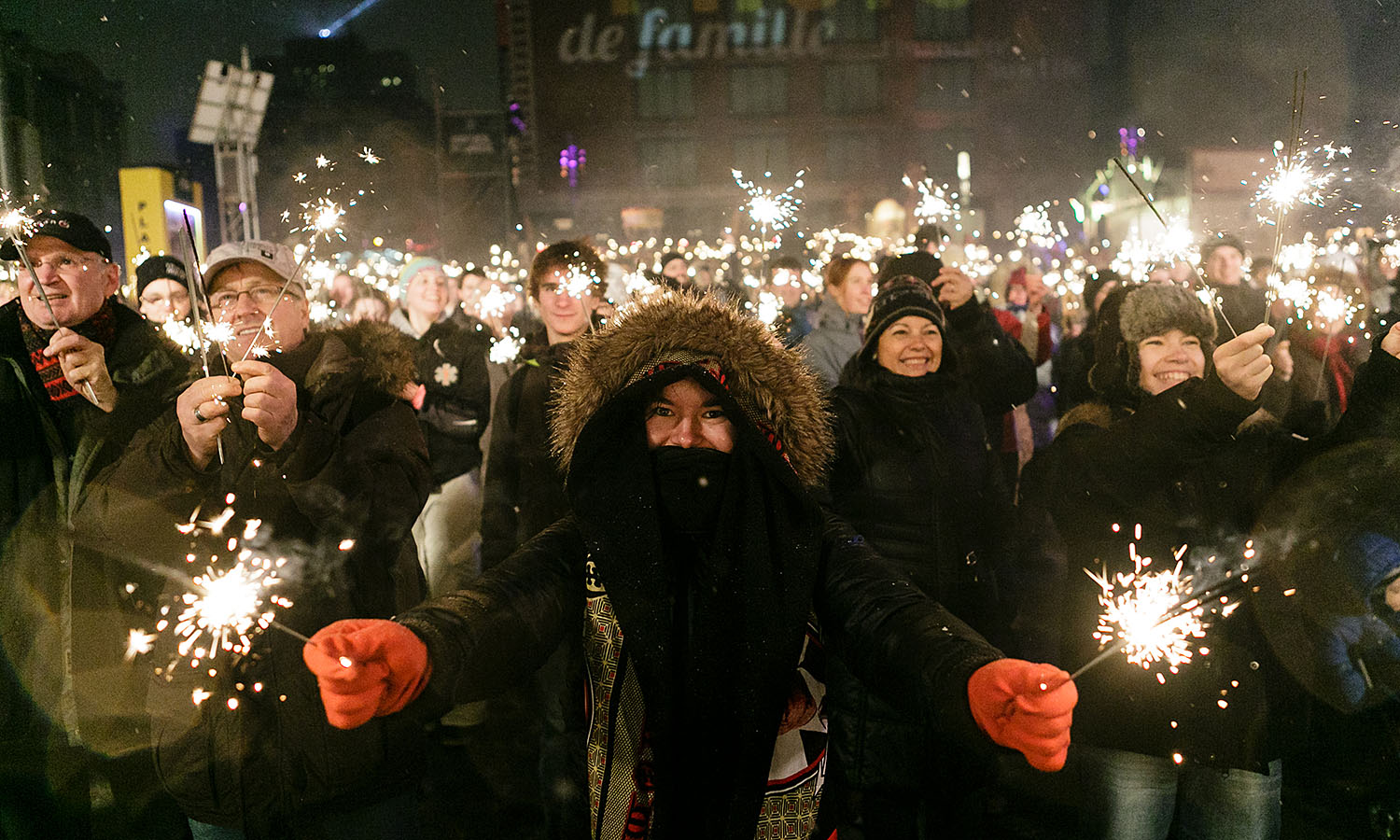
Celebrating the quirky side of Canada’s City of Design, Nuit Blanche flips the bird at the weatherman and proves Montrealers can party under any circumstances.
From 6pm to 6am revellers let loose across town as galleries throw open their doors, projections dance over buildings and art lurks in dark corners. To work up to the all-nighter, the 11-day Montréal en Lumiére festival precedes the event, but wild Nuit Blanche is the ultimate climax.
Bundle up and hope for snow, swill a cocktail, then try your hand at an art class – after a few tipples you won’t give a damn when your painting resembles a four-year-old’s masterpiece.
Spear a sausage and roast it over the braziers at Place des Festivals, then head to the street stalls selling maple syrup taffy poured into fresh snow. The sugar fix should help you gain top speed while hurtling down the 110-metre ice slide that slices through an open-air dance party, before you shake it to pulsing sound, lasers and smoke while enclosed in a giant glass cube.
Head underground to escape the frost as Art Souterrain (Art Underground) kicks off with live performances and art projects scattered throughout the pedestrian network. Many activities wrap up around 2am but the best parties pump on till dawn.
If, among the comedy, poetry, dance, flicks, karaoke, beer tasting, circus acts, erotic bondage, rock climbing and ice carving, you don’t stumble upon something that excites you, then you haven’t explored enough. Exhibitions change each year – although we’d love the return of Aquart, an underwater art gallery explored with a scuba kit – so there’s always something new to unearth.
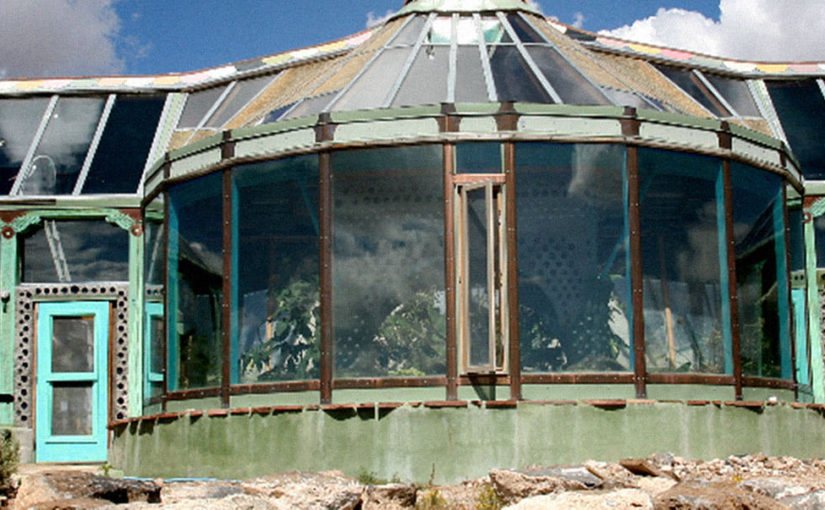
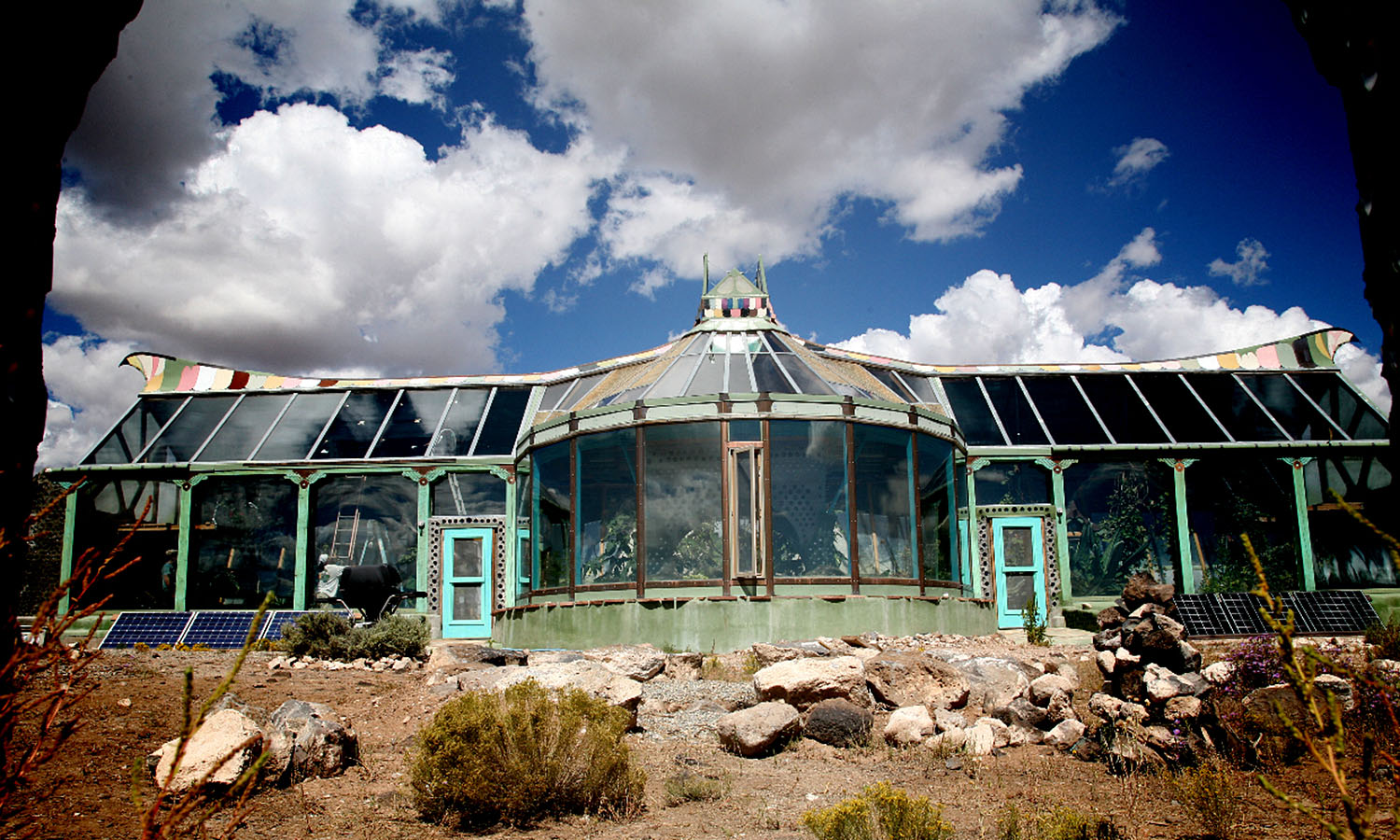
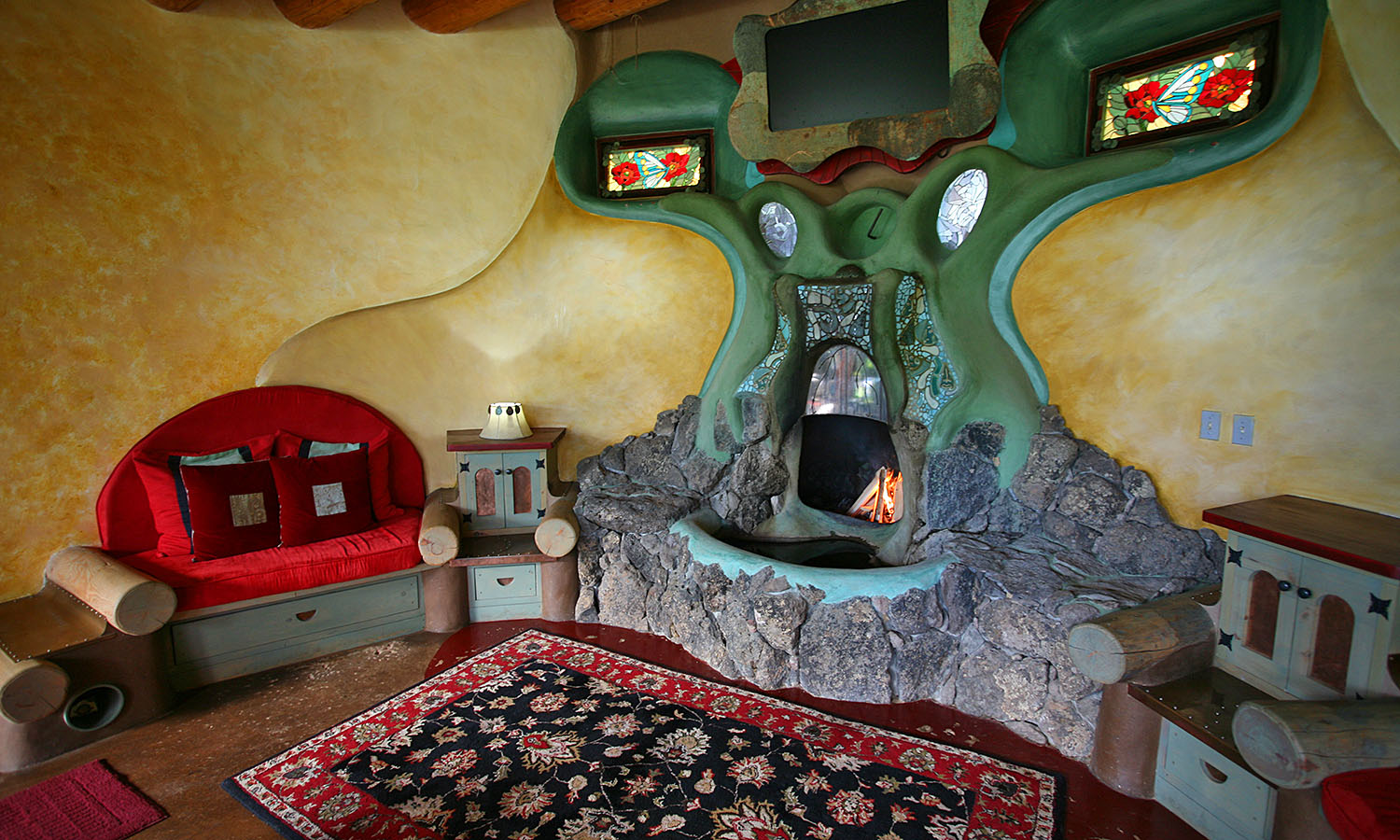
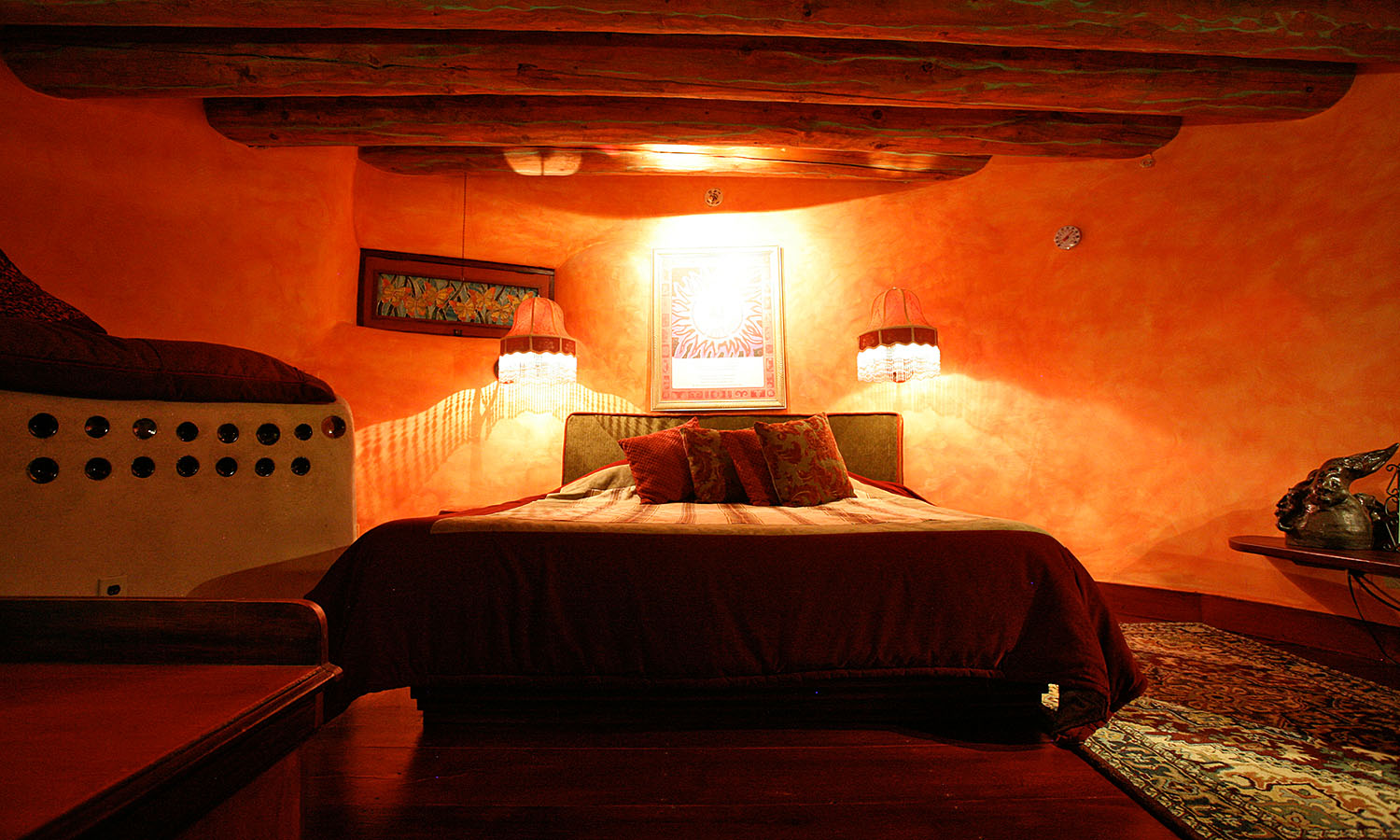
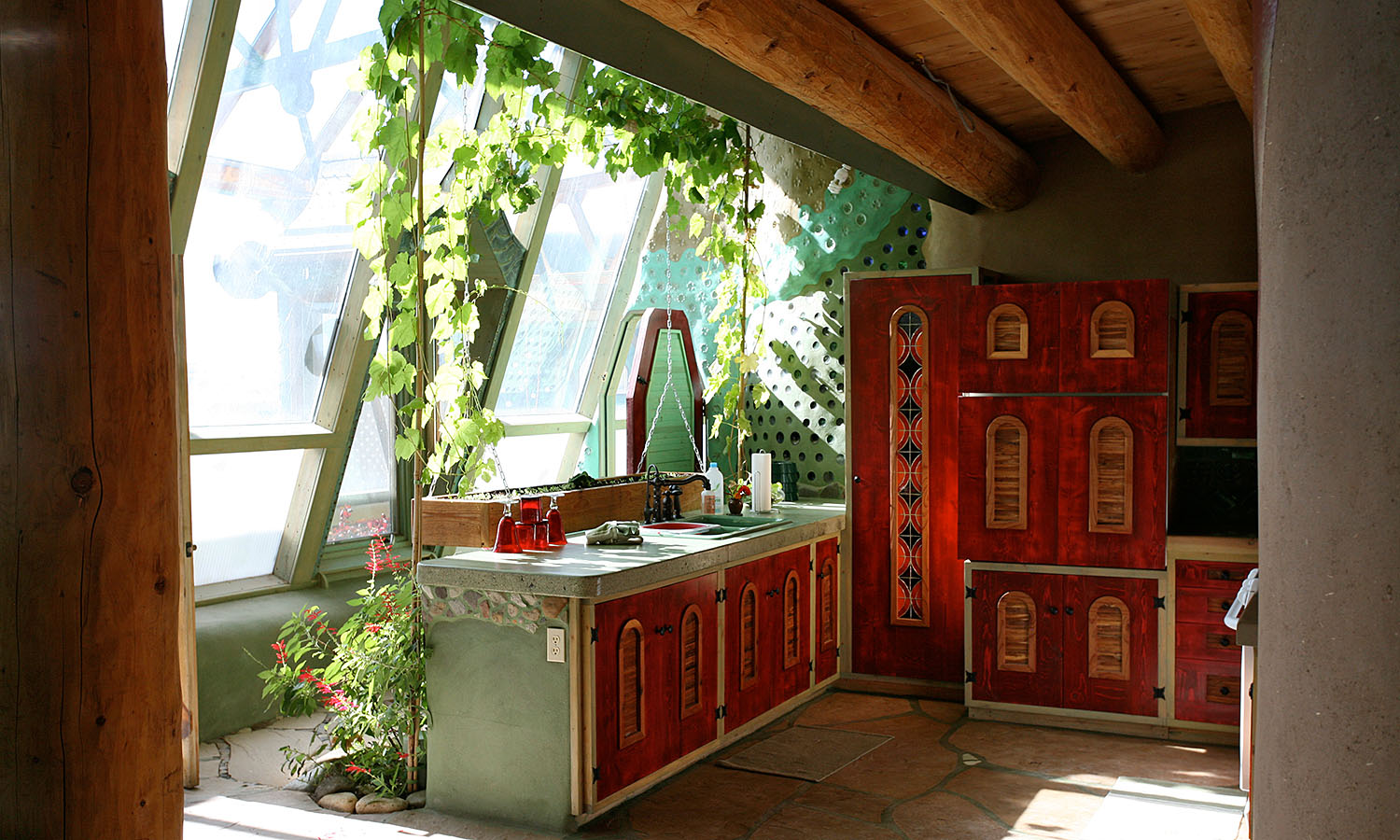
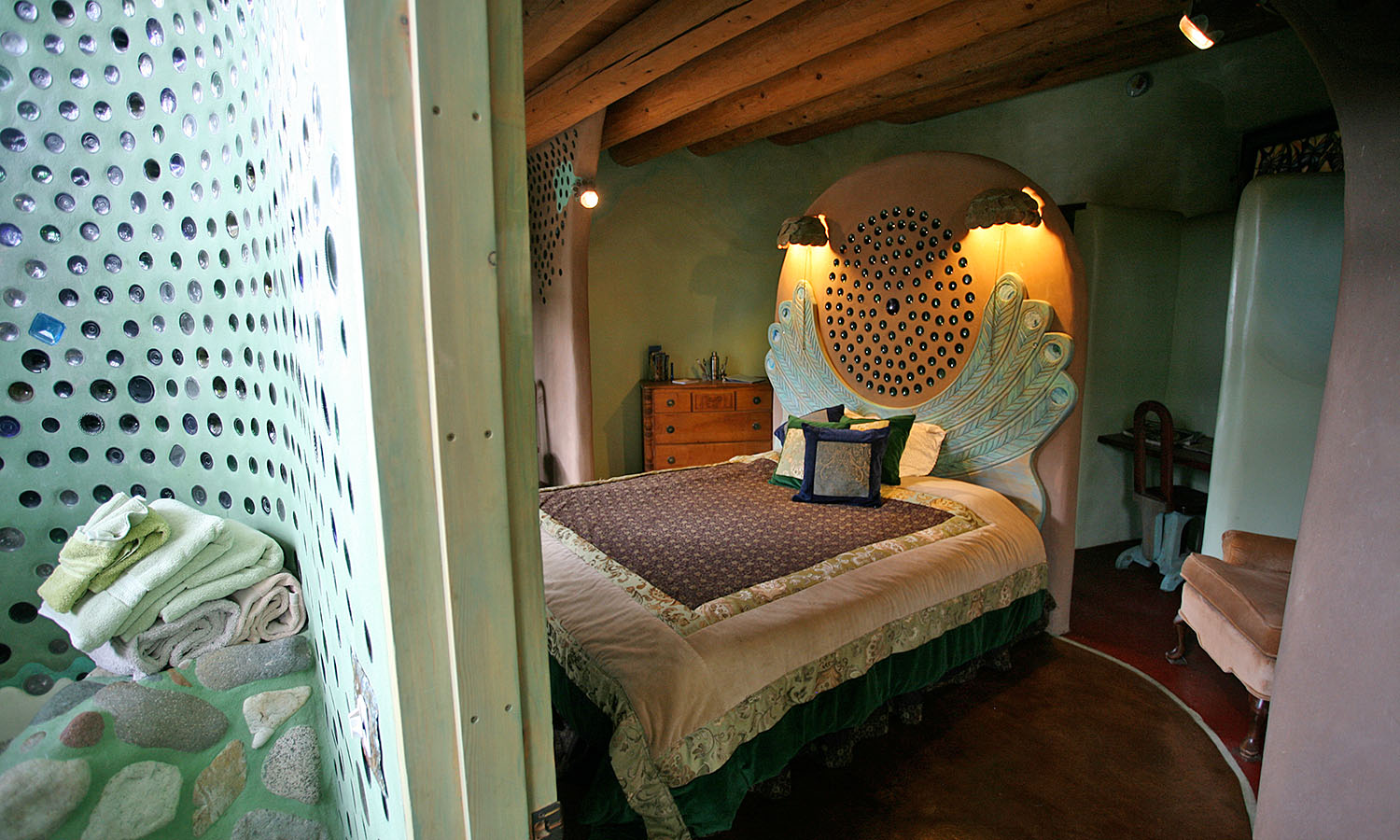
Step into the mothership of eco living. This all-sustainable lodging blends functionality with the curves and zany gingerbread house style of Gaudi. Think solar panels, walls constructed from coloured glass bottles and old tires, and a sometimes fireplace/sometimes waterfall in the living room. Don’t be surprised if a parrot swoops by while you bathe – your rainwater bath nourishes a verdant indoor jungle.
This greenhouse shelters chirping cockatiels and a pond teeming with fish and turtles. Peel a homegrown banana, sink into a couch nestled amongst the foliage and you can even forget there is a desert just beyond the door. If you feel up to the challenge, however, there is some prime hiking and mountain biking right on your doorstep, amid the Sangre de Cristo mountains. Scramble up New Mexico’s highest summit, Wheeler Peak, which measures more than thirteen thousand feet tall, or simply wake up with the sunrise and admire warm light falling on its crest from afar. Sustainable desert living has never been this lush.
 (
(